ACReSAL Additional Financing (AF): PIM Validation Workshop Commences in Abuja: Scaling Up Integrated Landscape Resilience in Nigeria
September 29, 2026
The Agro-Climatic Resilience in Semi-Arid Landscapes (ACReSAL) Project has officially transitioned from foundational planning to scaled-up, high-impact implementation. Following a successful initial phase which is still onging, an Additional Financing (AF) envelope has been approved, extending the project duration through November 30, 2031.
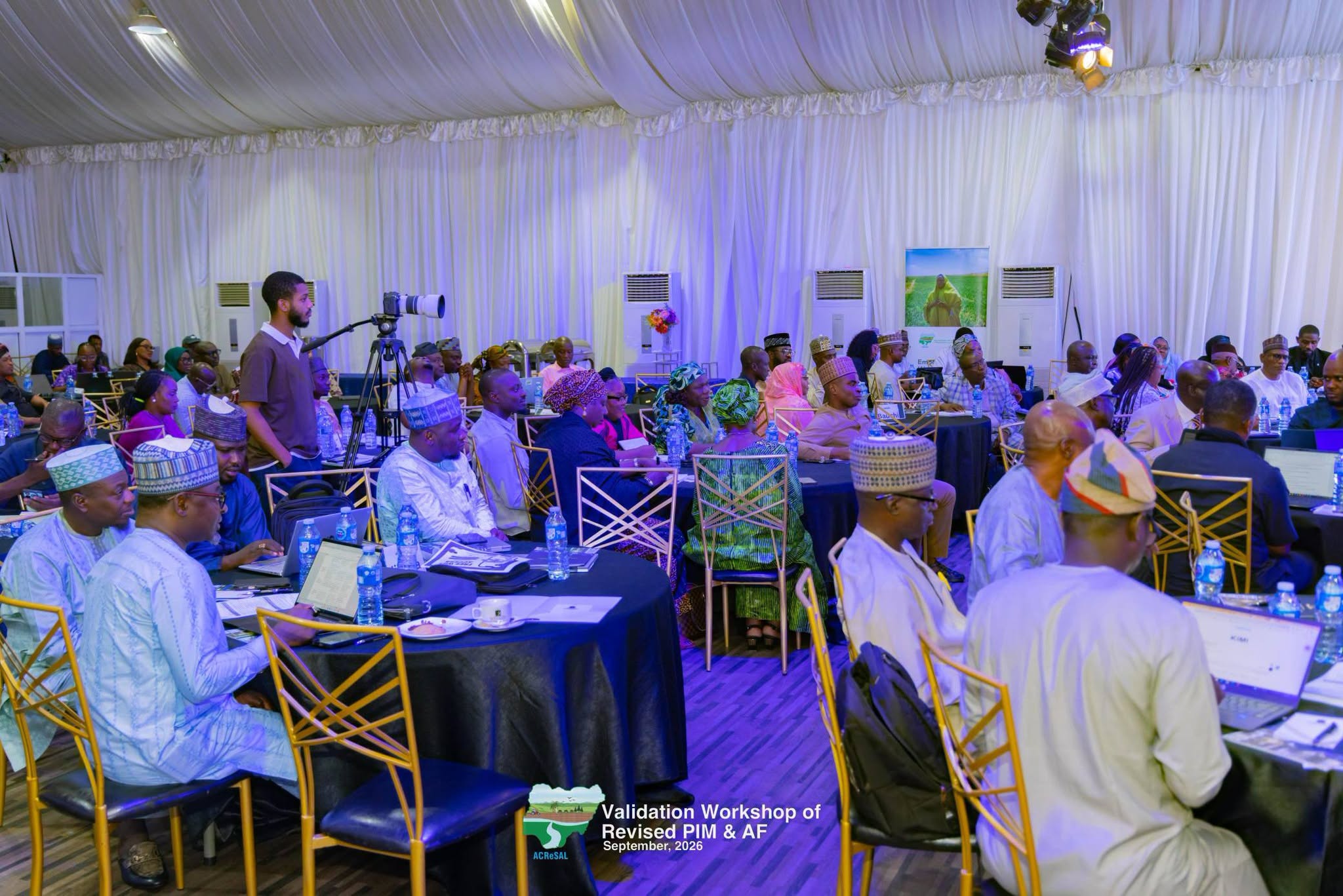
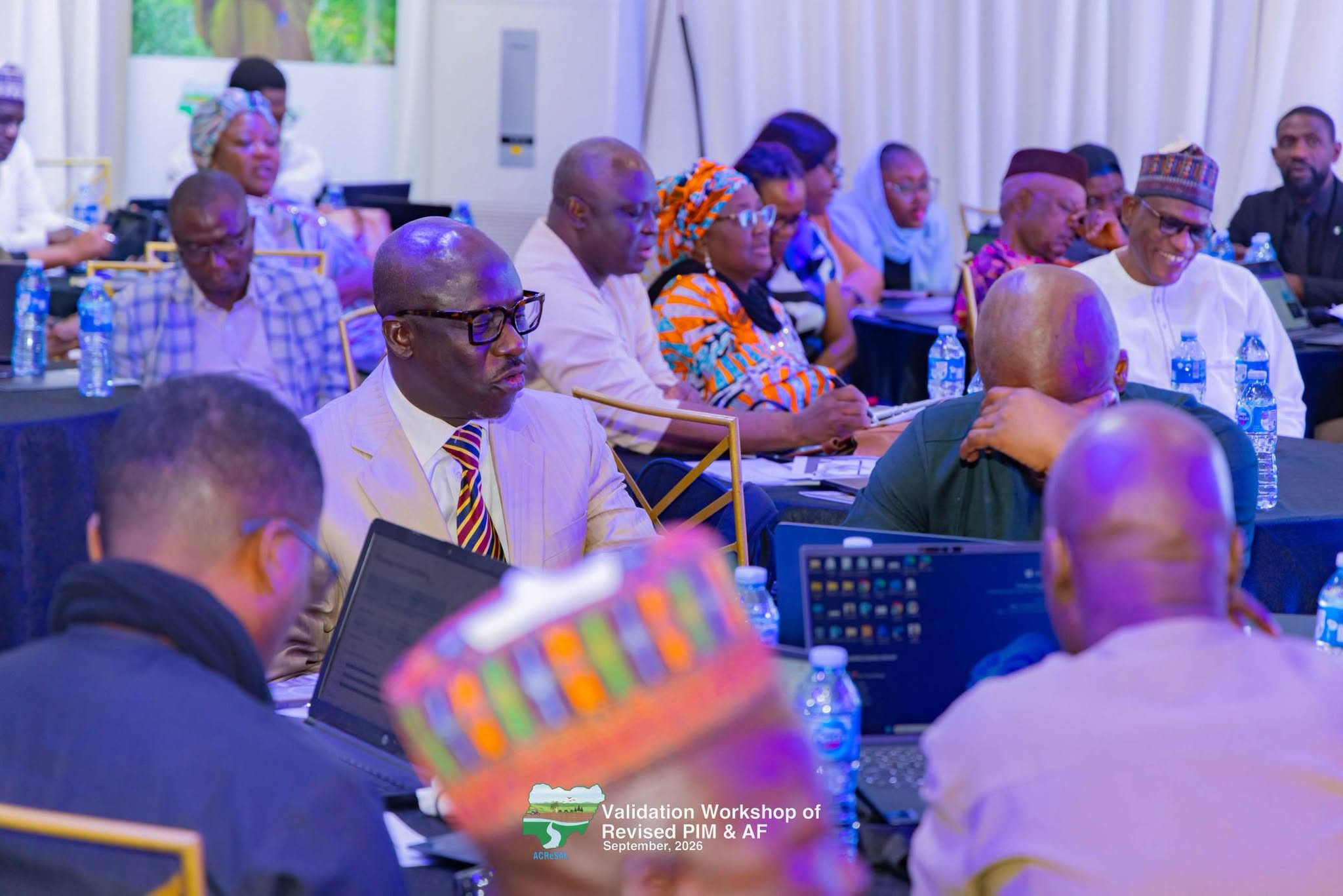
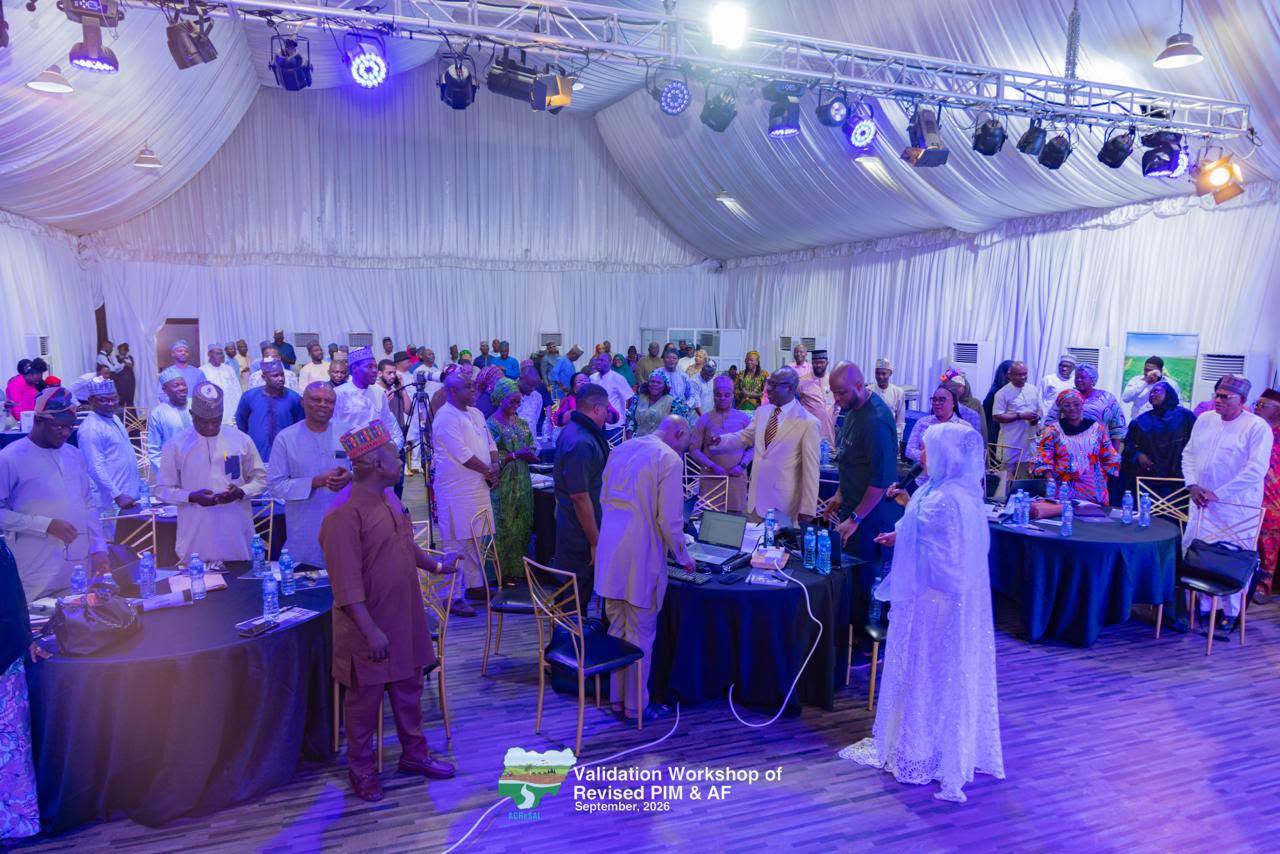
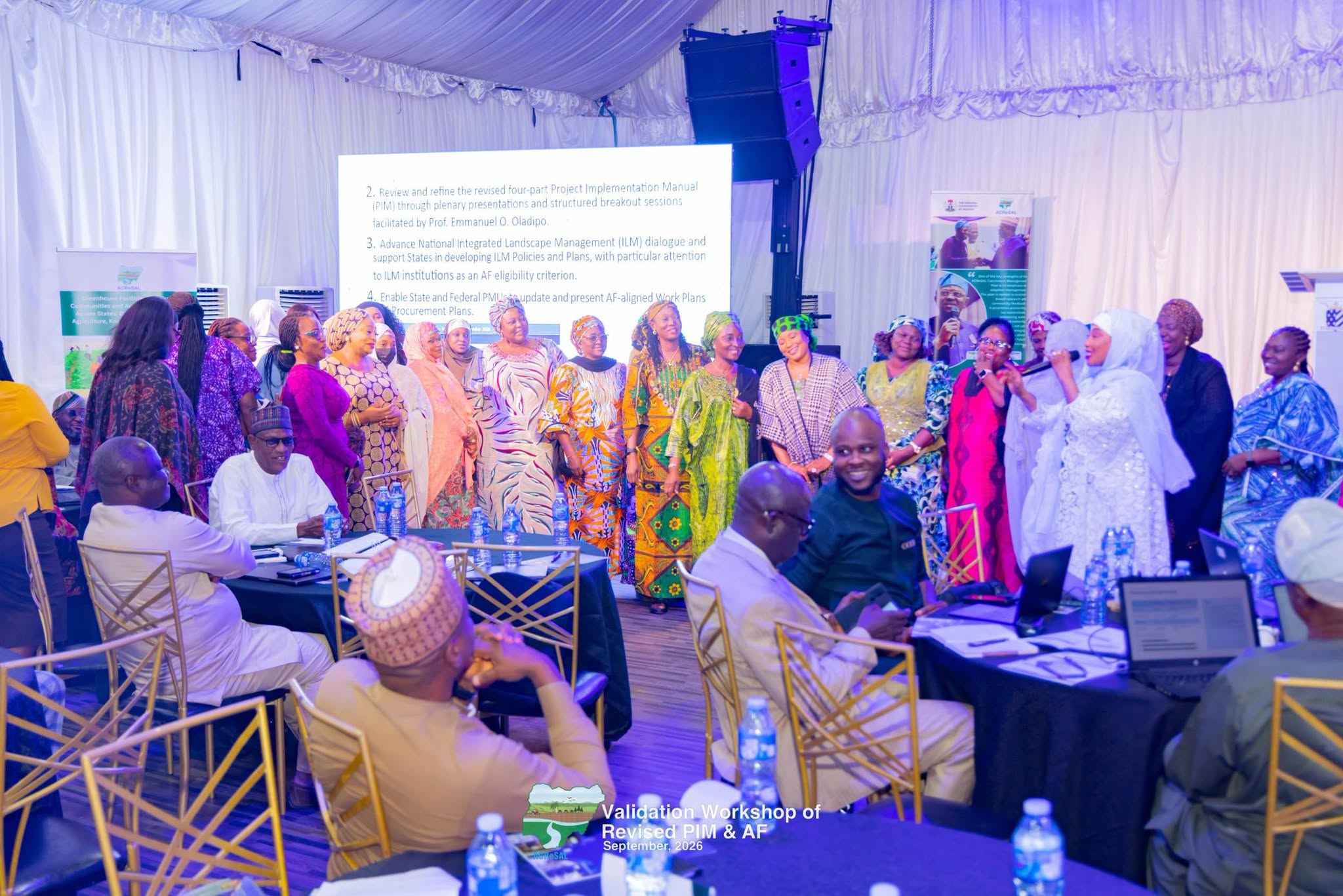
To align operational workflows, governance, and multi-sectoral strategies across the 19 northern States and the Federal Capital Territory (FCT), key stakeholders have convened in Abuja for a three-day intensive workshop to formally review and validate the revised four-part Project Implementation Manual (PIM), refine State and Federal Work and Procurement Plans, and accelerate National Integrated Landscape Management (ILM) frameworks.
Context, Justification, and Strategic Importance.
While the initial phase of ACReSAL delivered substantial progress—restoring over 800,000 hectares of degraded land, establishing 20 Strategic Catchment Management Plans (SCMPs), and benefiting millions of climate-vulnerable households—intensifying environmental pressures across semi-arid Nigeria demand an expanded response. Land degradation, severe flood events, and escalating resource-based conflicts continue to threaten agricultural productivity and rural livelihoods.
The Additional Financing provides the critical capital required to:
* Capitalize Completed SCMPs: Operationalize all 20 strategic catchment plans by concentrating investments in Priority Spatial Investment Zones (PSIZs).
* Expand Core Interventions: Shift funding toward major landscape investments under Component A and community resilience under Component B.
* Institutionalize Sustainability: Transition landscape restoration from temporary project management units into permanent state-level agencies, backed by dedicated budget lines and legislative mandates.
* Target High-Impact Objectives: Raise the project’s physical restoration target to 2 million hectares of land under Sustainable Landscape Management (SLM) and reach 6.58 million direct beneficiaries by 2031.
Revised Project Implementation Manual (PIM): Key Reforms Under Validation.
To ensure fiduciary control and compliance, institutional clarity, and operational efficacy across all participating units, the project manual has been consolidated into a revised four-part Version 2.0 edition currently undergoing final validation:
* Part I: Introduction & Alignment: Reframes the project lifecycle to 2022–2031. Aligns targets with World Bank Corporate Results Indicators (CRIs) and formally embeds State readiness criteria, including state counterpart funding commitments.
* Part II: Component Design & Sub-projects: Reallocates resources heavily toward physical investments. Redesigns the Community Revolving Fund (CRF) under a zero-interest service-charge model with enhanced financial controls, simplifies Farmer-Led Irrigation Development (FLID) into community solar-powered schemes, and expands Digital Precision Agricultural Extension (DPAE).
* Part III: Institutional & Governance Framework: Defines explicit, legally binding Subsidiary Loan Agreement (SLA) terms. Adopts the World Bank Nigeria Value for Money (VfM) Guidelines, replacing fixed productivity top-ups with Performance-Based Incentives (PBIs) for civil servants and reclassifying external specialists as Individual Consultants.
* Part IV: Compliance, Fiduciary & Safeguards: Introduces FundsChain digital blockchain tracking for end-to-end fund traceability, establishes strict Dam Safety Review Panel oversight for large dams and reservoirs, and formalizes an electronic Grievance Redress Mechanism with a 95% resolution service standard.
Advancing Integrated Landscape Management (ILM)
Integrated Landscape Management (ILM) serves as both a strategic imperative and an eligibility gate for States seeking access to Additional Financing allocations. The workshop places central emphasis on supporting States to draft, legislate, and implement state-level ILM Policies and Action Plans.
To meet the newly established ILM Institutionalization Standard, participating States must satisfy four core conditions:
* Legal Foundation: Enact or advance state-level legislation establishing a permanent landscape restoration agency or coordination platform.
* Institutional Home: Delineate clear inter-sectoral mandates across Ministries of Environment, Agriculture, and Water Resources.
* Dedicated Budgetary Allocation: Secure recurring state budget lines for post-project operations and maintenance (O&M).
* Active Coordination: Establish functional cross-boundary catchment management committees to manage shared natural resources.
Key Continuity and Strategic Shifts under Additional Financing
While the ACReSAL project retains its core Project Development Objective, four-component structure, tri-ministerial governance, and 19-state geographic footprint, the Additional Financing extends the operational timeline to November 2031 and doubles key delivery targets to 2 million hectares of restored land and 6.58 million direct beneficiaries.
Crucially, this phase shifts focus from planning to scaled physical execution by capitalizing completed Strategic Catchment Management Plans in Priority Spatial Investment Zones and restructuring community initiatives—such as the Community Revolving Fund and solar-powered irrigation—under enhanced financial controls.
Operational standards are further tightened through mandatory counterpart fund commitments, state ILM legislative readiness, FundsChain digital tracking, and World Bank Value for Money remuneration guidelines, ensuring a sustainable, transparent, and high-impact transition into 2031.
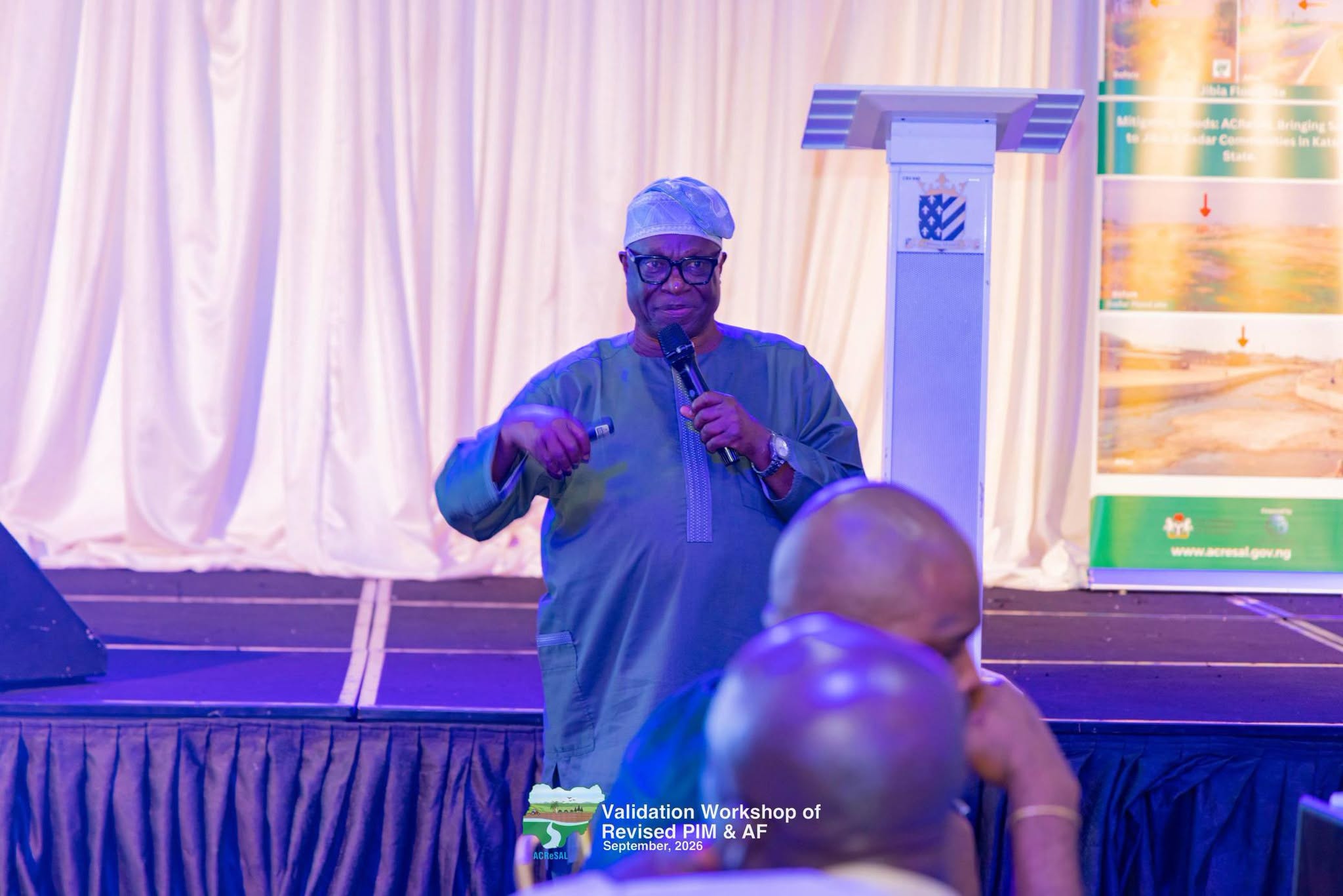
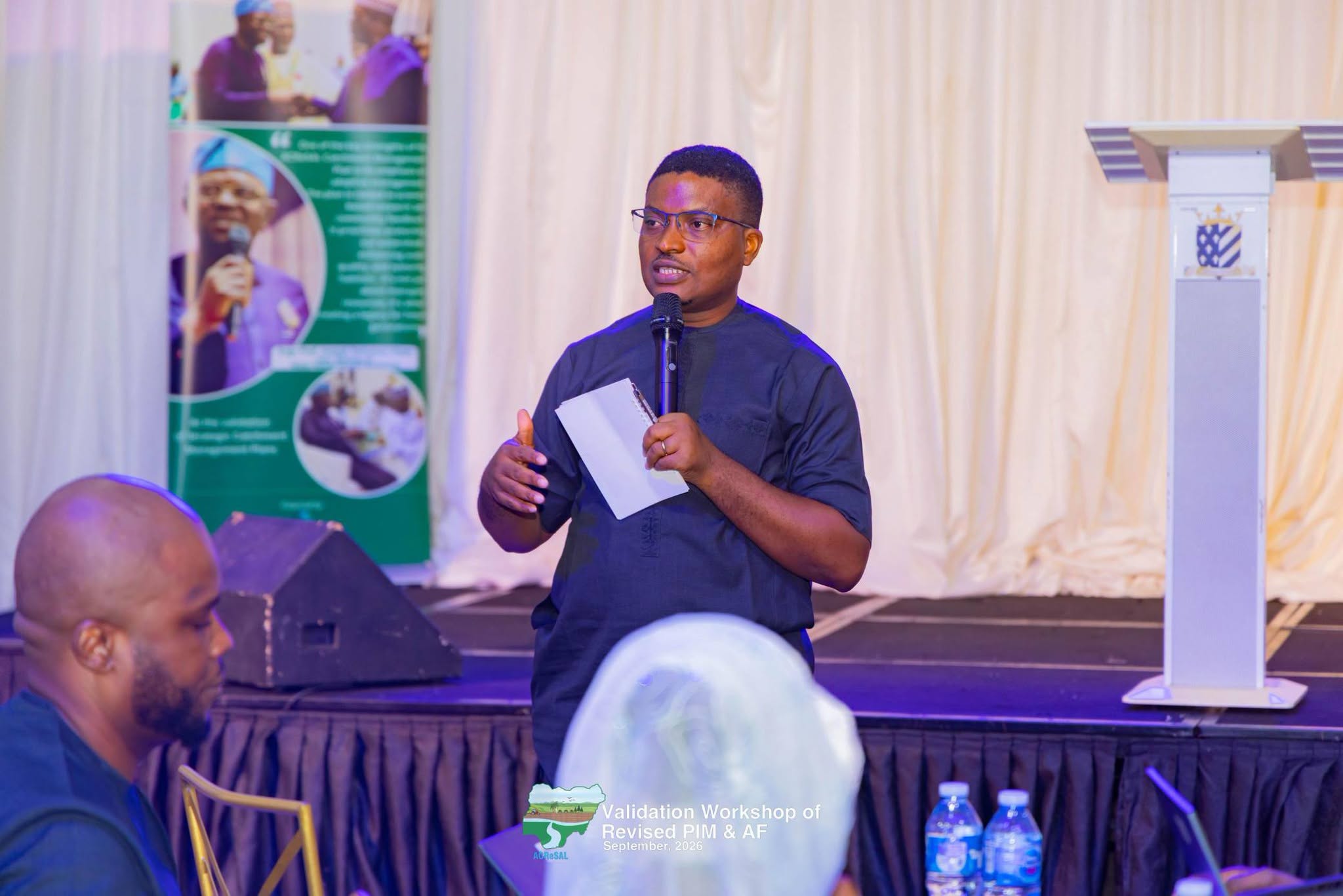
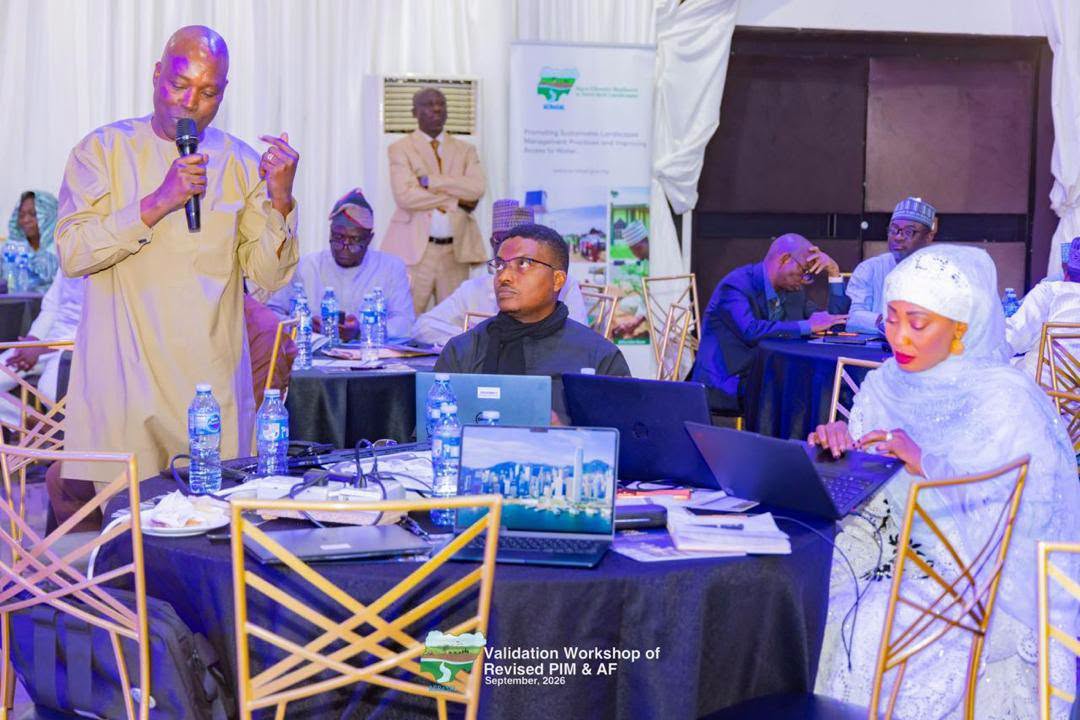
As highlighted by key stakeholders, the Additional Financing (AF) phase is strategically structured to maximize efficiency, and achieve greater impact by leveraging vital lessons learned from earlier implementations. Stakeholders emphasized that the Project Implementation Manual (PIM) remains a dynamic, living document, inviting participants to actively contribute insights, refine operational guidelines, and establish complete clarity on upcoming deliverables.
Furthermore, the workshop underscored the imperative of fully integrating community-level extension workers into project execution. Being embedded directly within local communities—sharing the same language, culture, and daily realities—these extension officers are crucial to driving local ownership, building trust, and ensuring seamless project adoption.
ACReSAL….Greening the environment, saving lives.