ACReSAL Mission: Federal Government, World Bank Prioritise Interagency, Interstate Synergy for Food Security
October 29, 2026
The Federal Government and the World Bank have called for stronger interagency collaboration and results-driven investments under the Agro-Climatic Resilience in Semi-Arid Landscapes (ACReSAL) project, positioning land restoration, climate-smart agriculture, and sustainable natural resource management as critical drivers of Nigeria’s food security agenda.
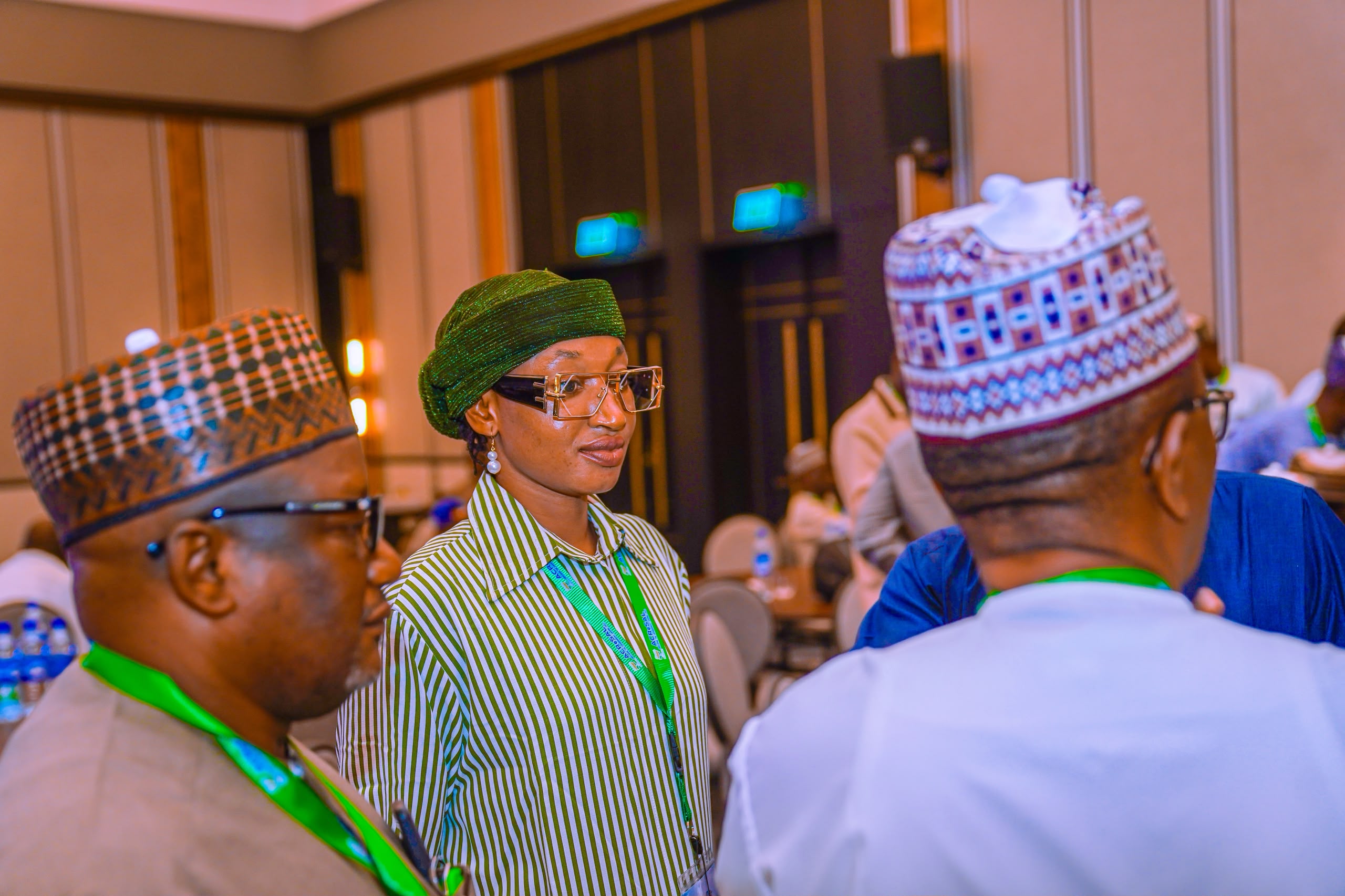
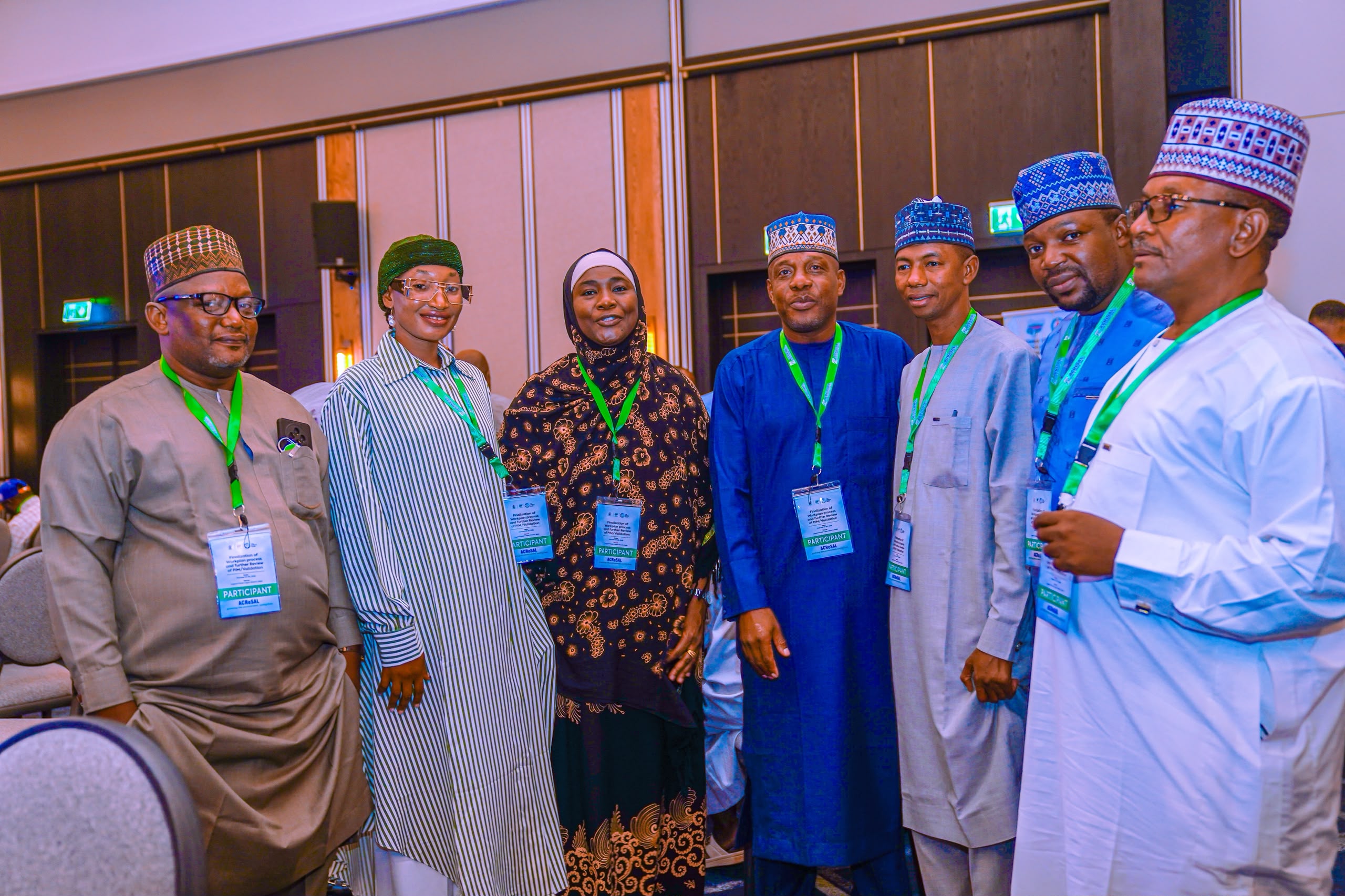
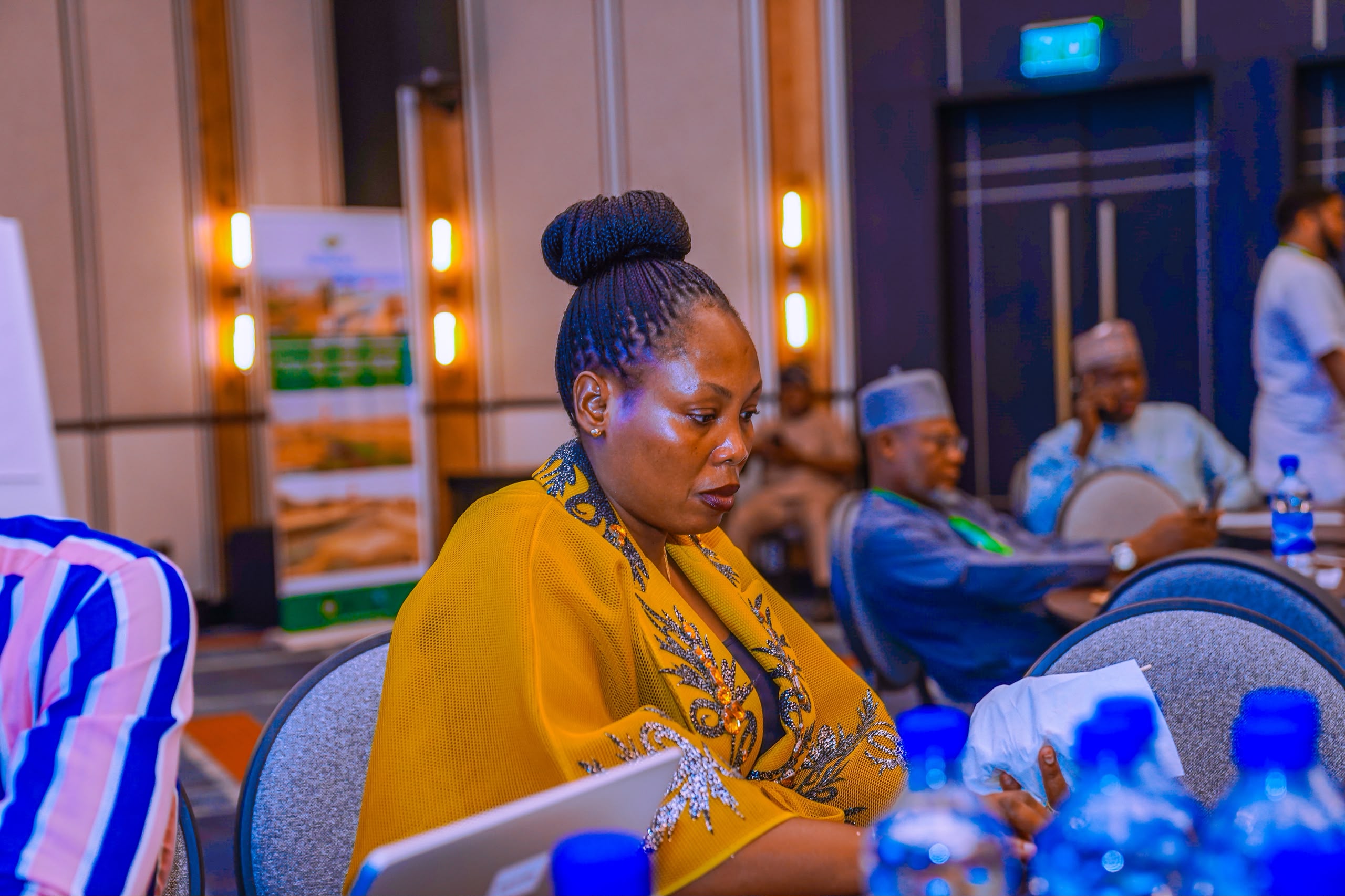
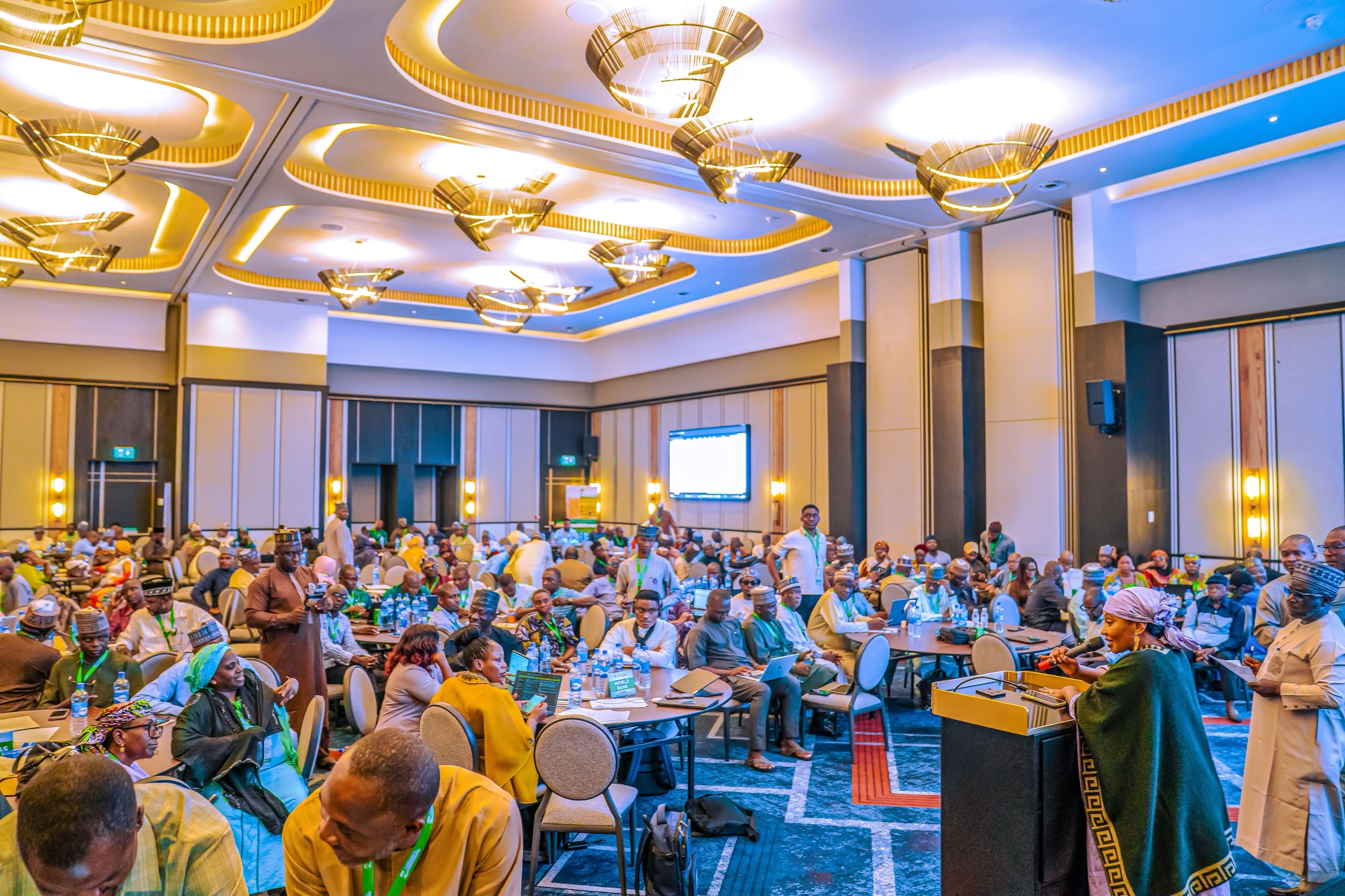
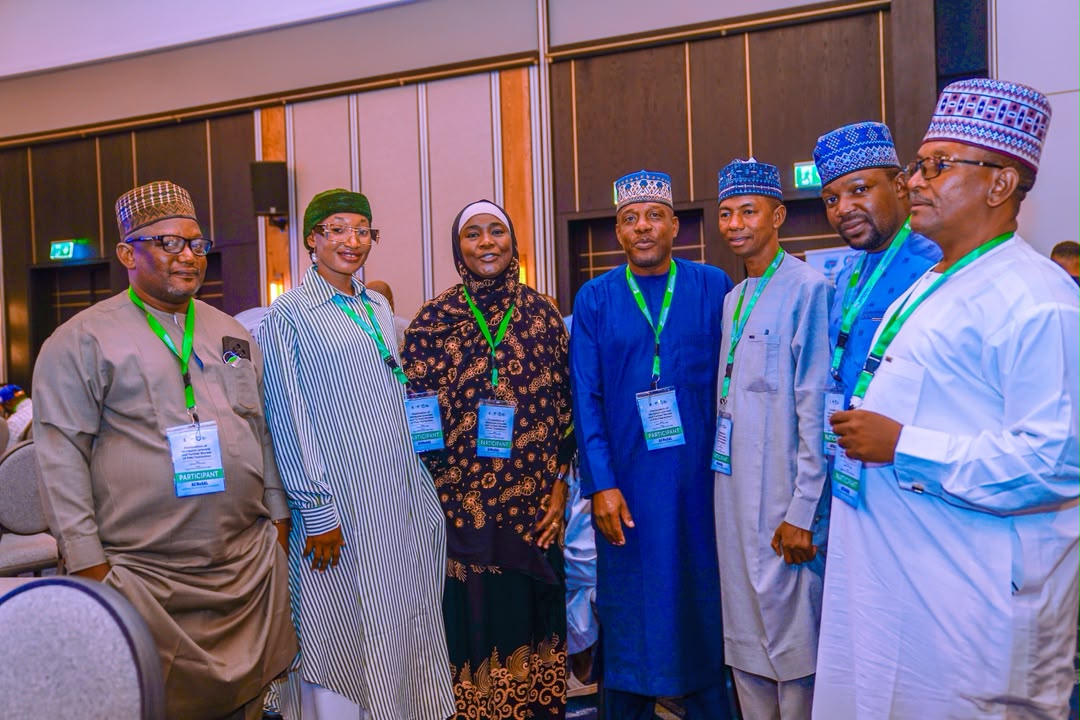
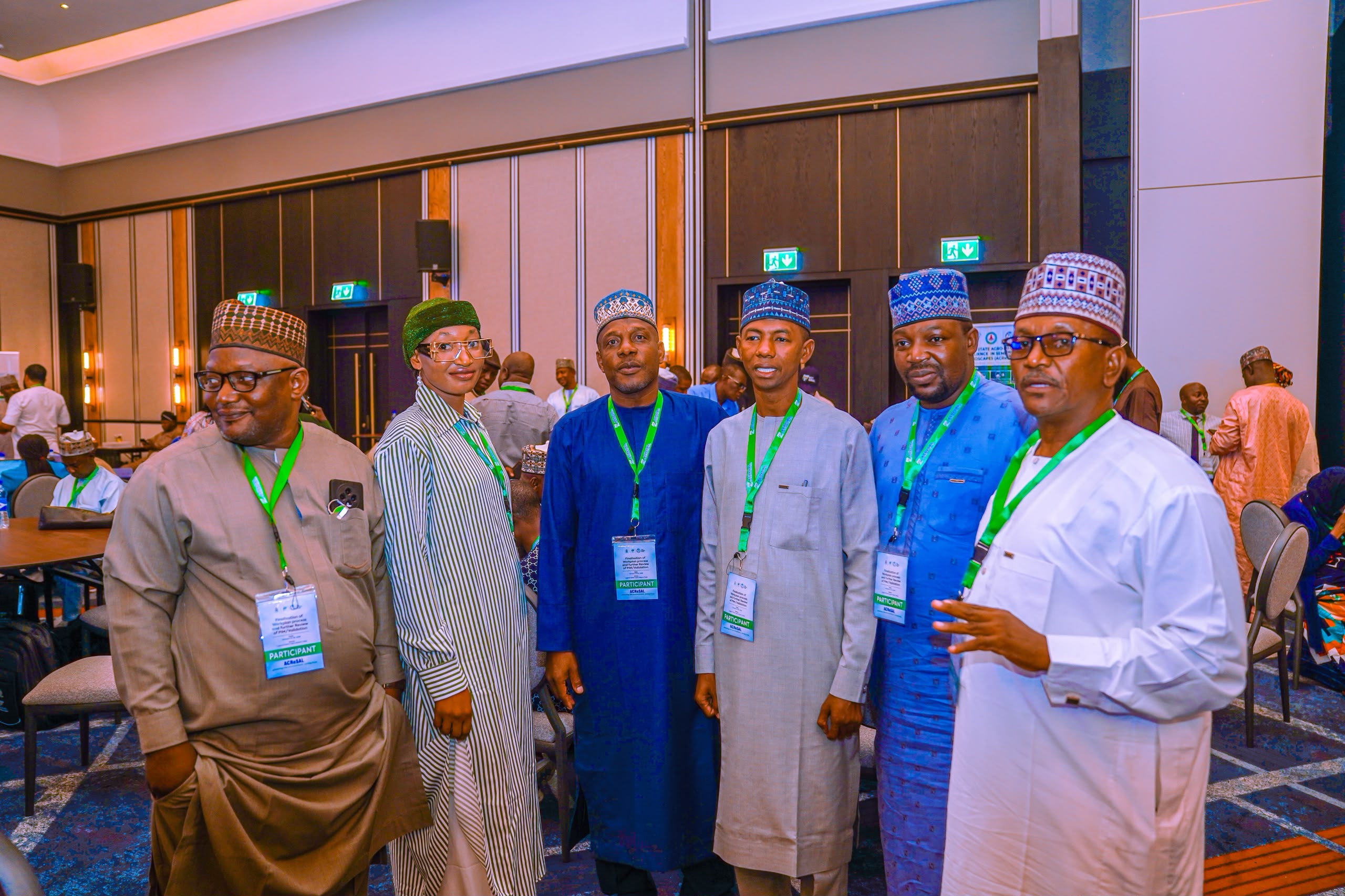
The call was made by the Project Task Team Leader (TTL), Dr. Iganya Joy Agene, on Day 2 of the ongoing work plan finalisation and Project Implementation Manual (PIM) review. Stakeholders at the event are working to align priority interventions with the work plan, strengthen interstate and institutional coordination, and maximise the impact of the project’s current financing as well as a proposed $500 million in additional funding.
Dr. Agene emphasised the need for synergy, effective communication, and active collaboration among relevant agencies, including the National Agency for the Great Green Wall (NAGGW), the Department of Drought and Desertification Amelioration (DDA), and the Nigerian Meteorological Agency (NiMet).
She urged stakeholders to strengthen institutional linkages, review agency placements, and ensure that all listed institutions are fully operational and actively contributing to the project’s objectives. She stressed that agencies must operate as a coordinated team supporting one another to maximise impact, rather than working in isolated silos.
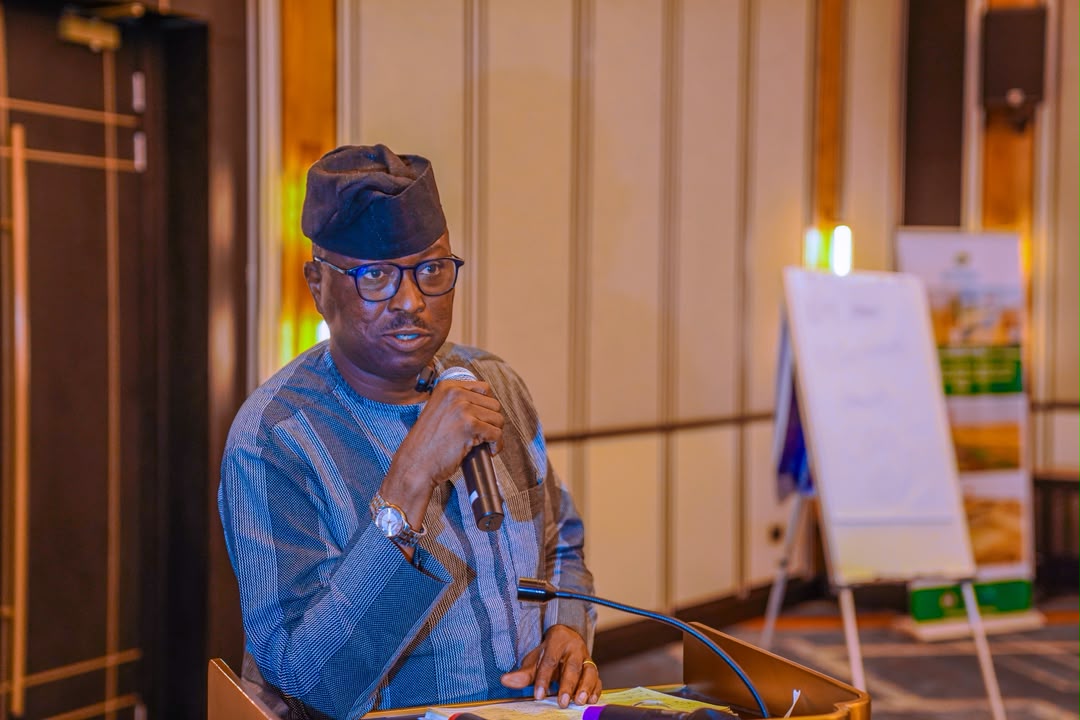
Speaking on behalf of the Minister of State for Agriculture and Food Security, Senator Aliyu Sabi Abdullahi, Mr. Olanipekun Oshadiya described ACReSAL as a critical food security initiative, noting that restoring degraded farmlands and promoting climate-smart agricultural practices directly enhance the productivity and livelihoods of millions of smallholder farmers.
He stated that the Federal Ministry of Agriculture and Food Security views the ongoing work plan review as a strategic opportunity to align project interventions with the Federal Government’s Renewed Hope Agenda, which places food security and agricultural transformation at the centre of national development.
Mr. Oshadiya charged stakeholders to strengthen the monitoring of agricultural performance indicators, ensuring that every hectare of land restored, every borehole drilled, and every community revolving fund disbursed translates into measurable improvements in agricultural yields, rural livelihoods, and community resilience.
He acknowledged ACReSAL’s contribution to national agricultural development efforts—particularly through its support for precision farming and climate-smart practices—noting that such collaboration is helping to boost agricultural productivity and advance overall food security objectives.
He further highlighted poor soil management as a major driver of land degradation, stressing that climate-smart agricultural practices are essential for sustainable soil health, land restoration, and improved resilience to climate change.
The Ministry, he disclosed, has commenced a comprehensive review of its current and additional financing work plans to prioritise interventions directly linked to the project’s Development Objective. He emphasised that the proposed additional financing work plan must focus on high-impact activities that deliver tangible, core project results rather than non-essential expenditures.
He reaffirmed the Ministry’s full institutional commitment and support towards the successful implementation of the ACReSAL project.
During a technical session, World Bank Safeguards Specialist, Mr. Lucky Erhase, underscored the importance of strict compliance with environmental and social safeguards during implementation.
He explained that the safeguards framework is designed to ensure responsible project delivery through the timely identification, prevention, and mitigation of potential environmental and social risks.
Mr. Erhase called for the systematic integration of safeguards into project planning and implementation, stronger stakeholder engagement, and full compliance with both World Bank requirements and national regulations.
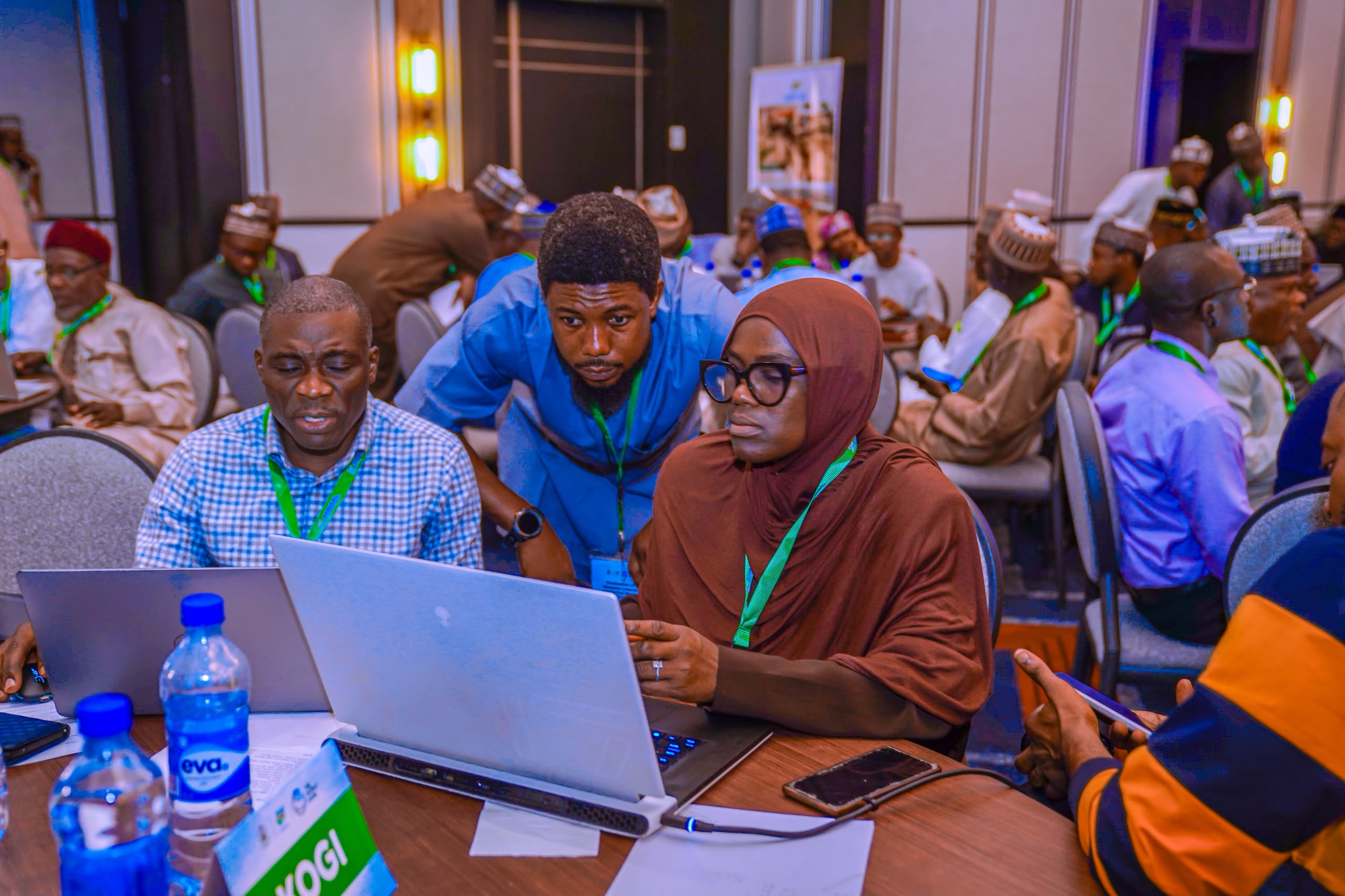
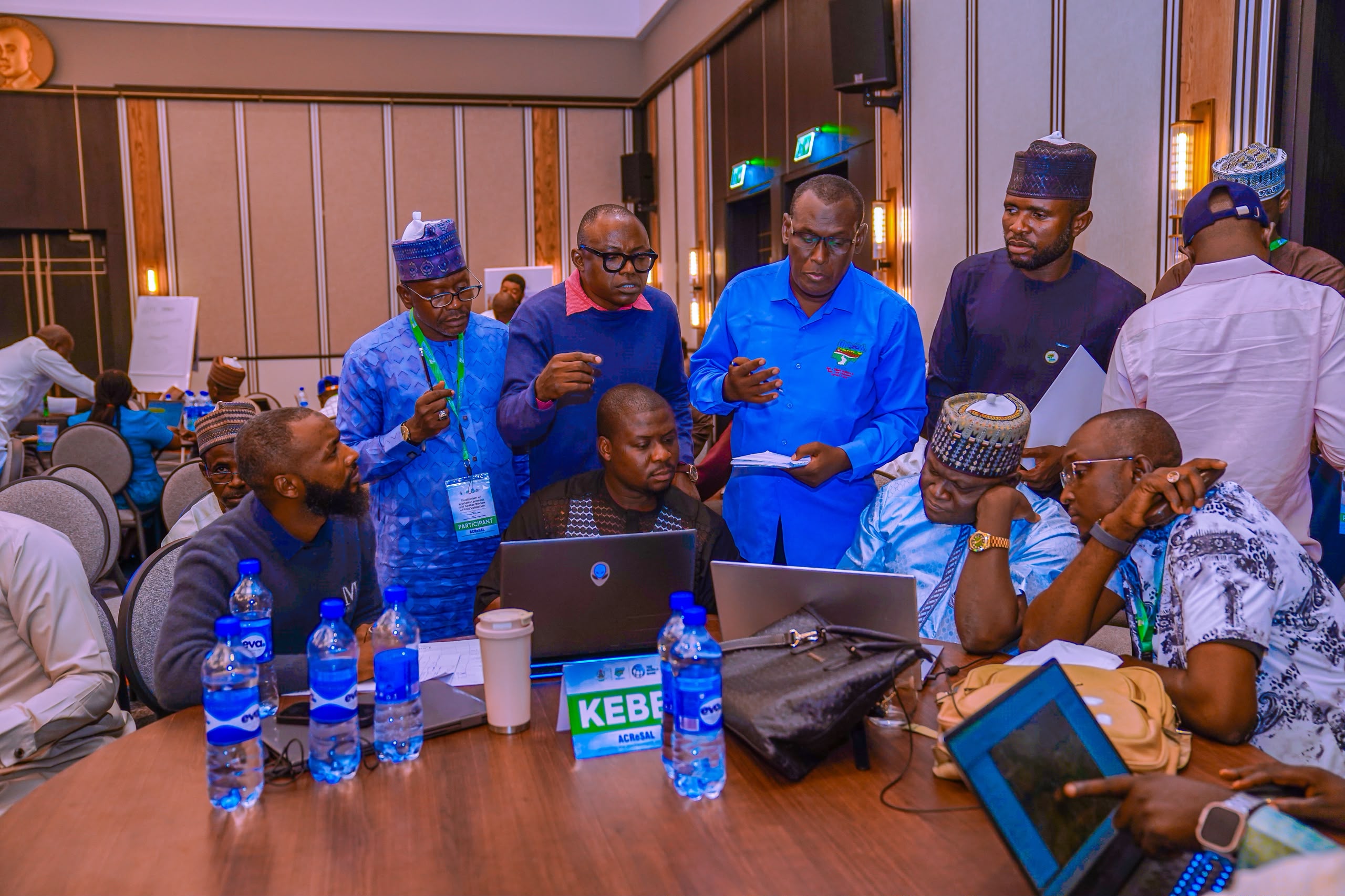
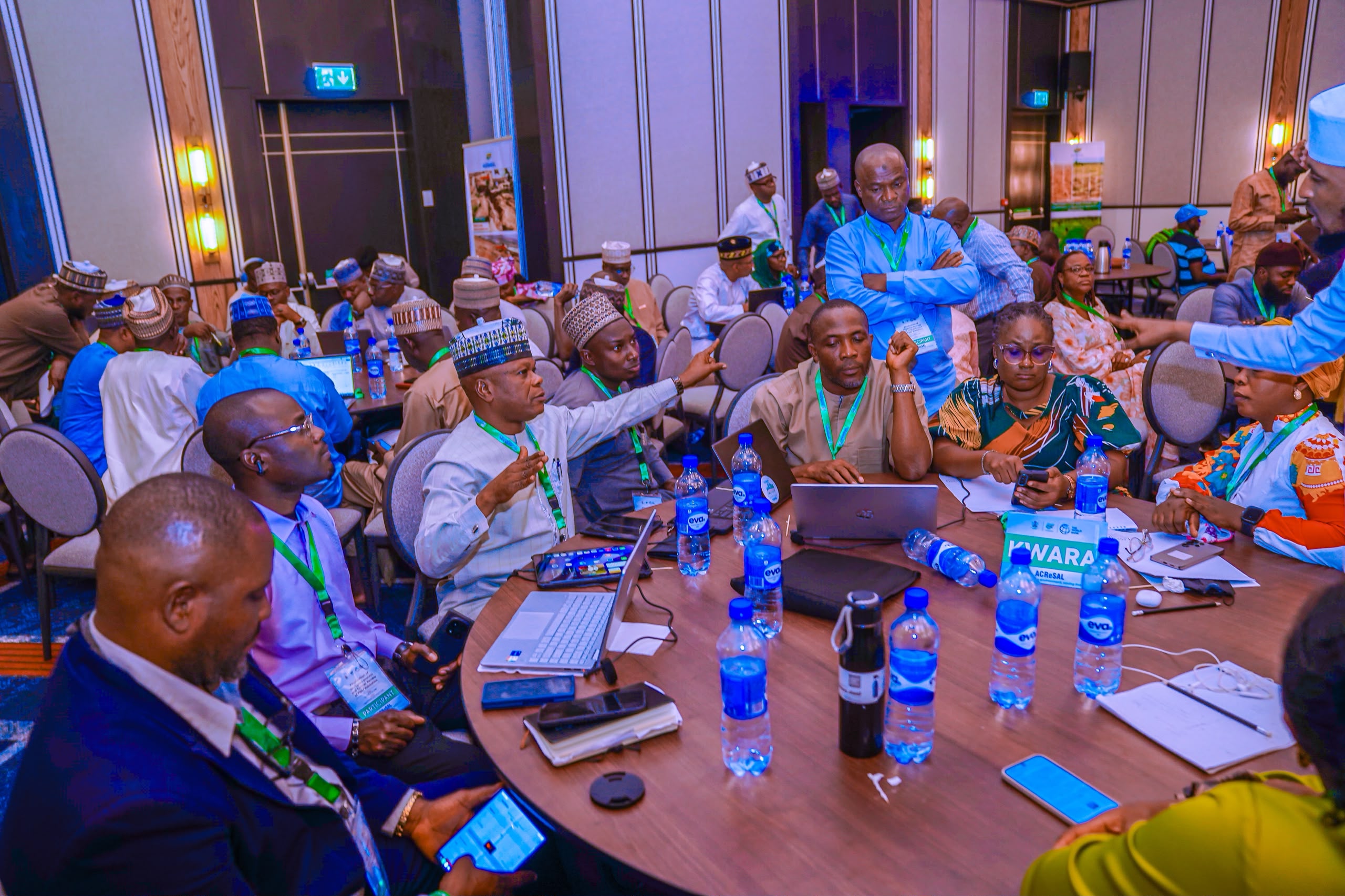
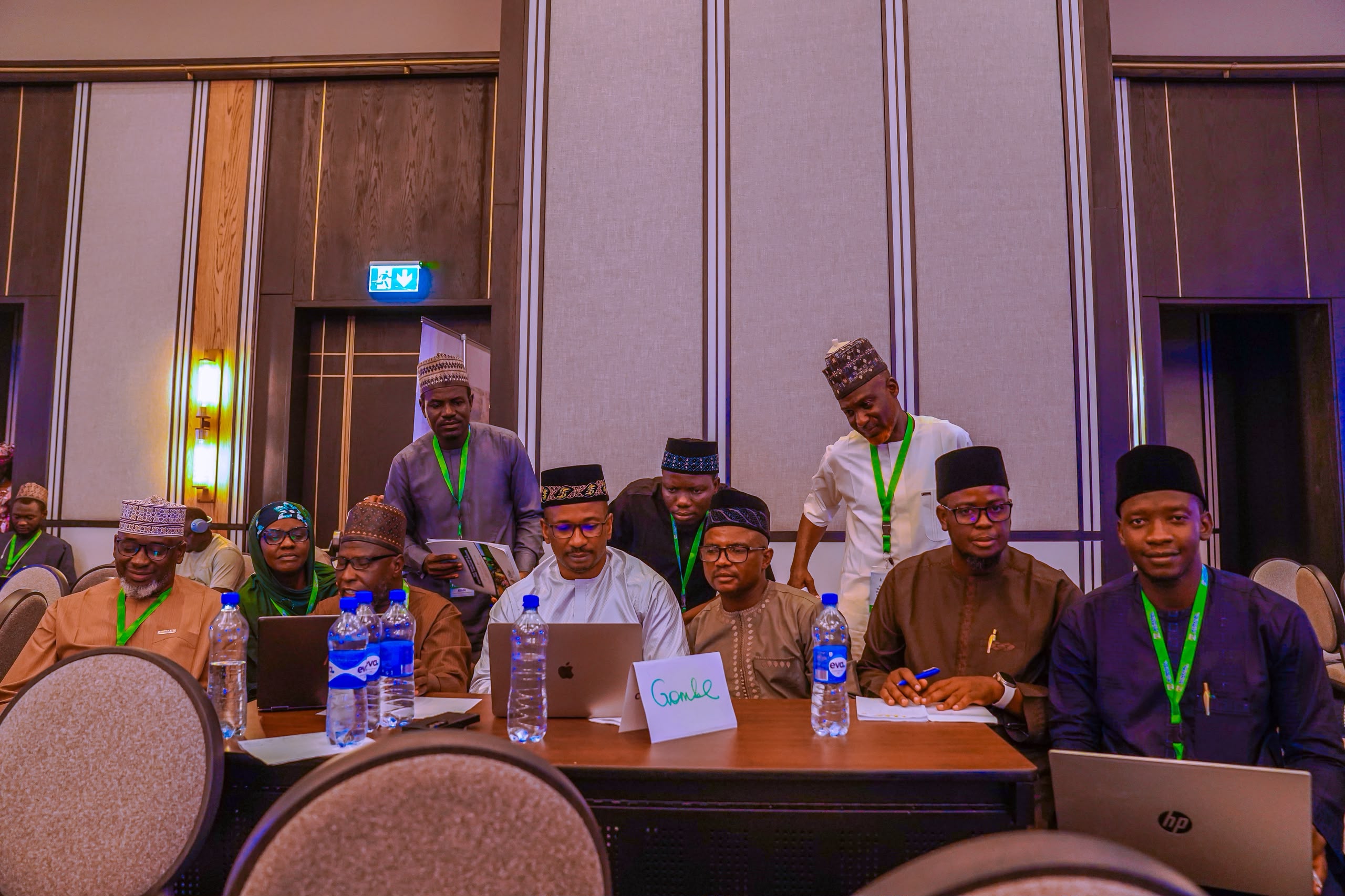
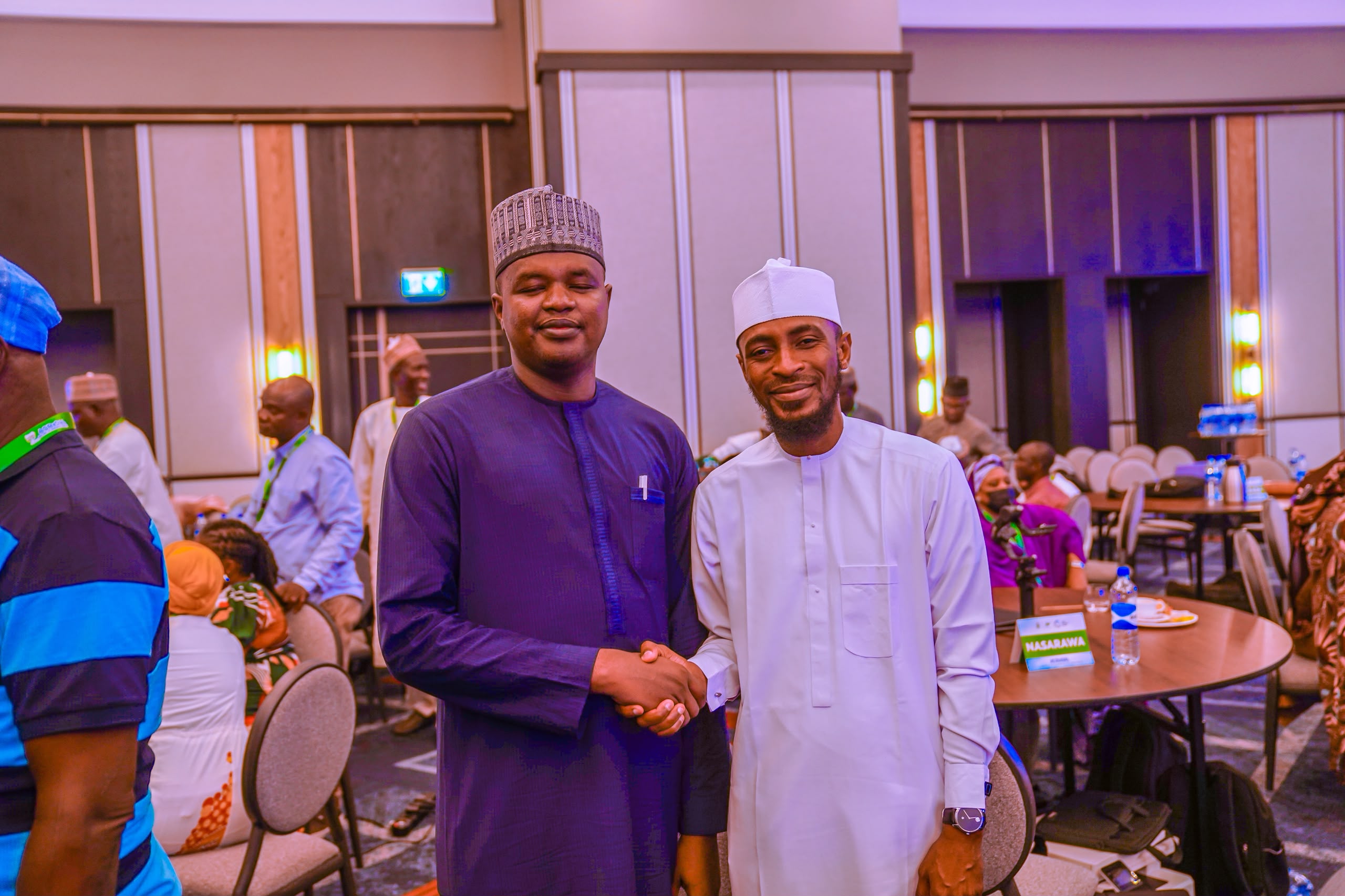
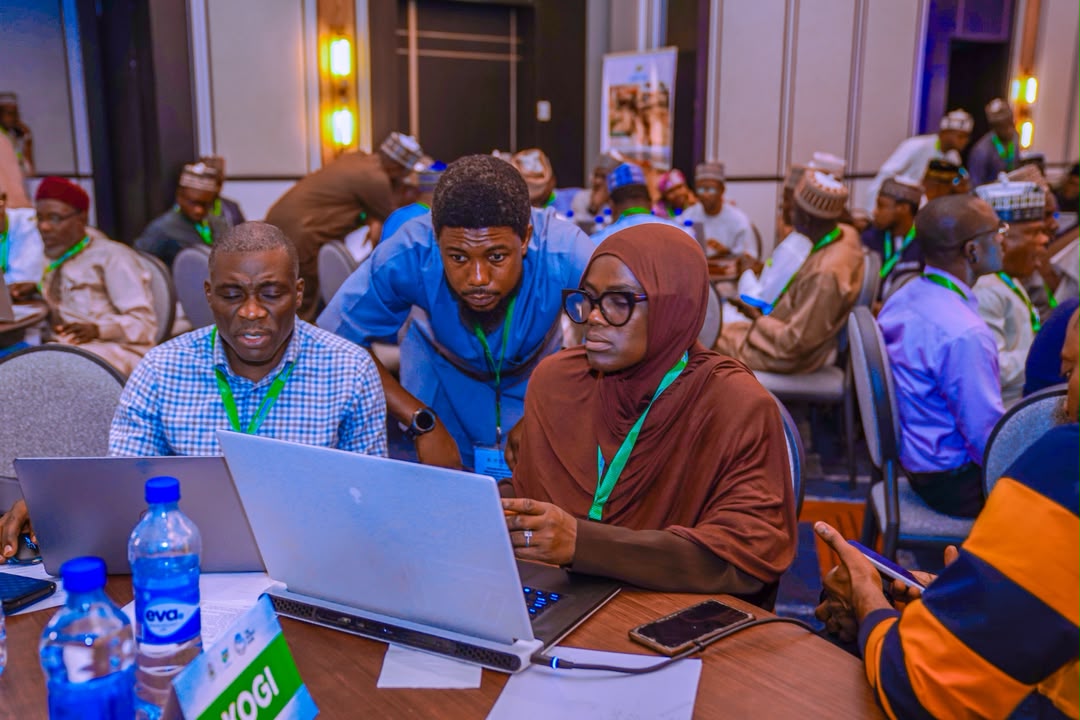
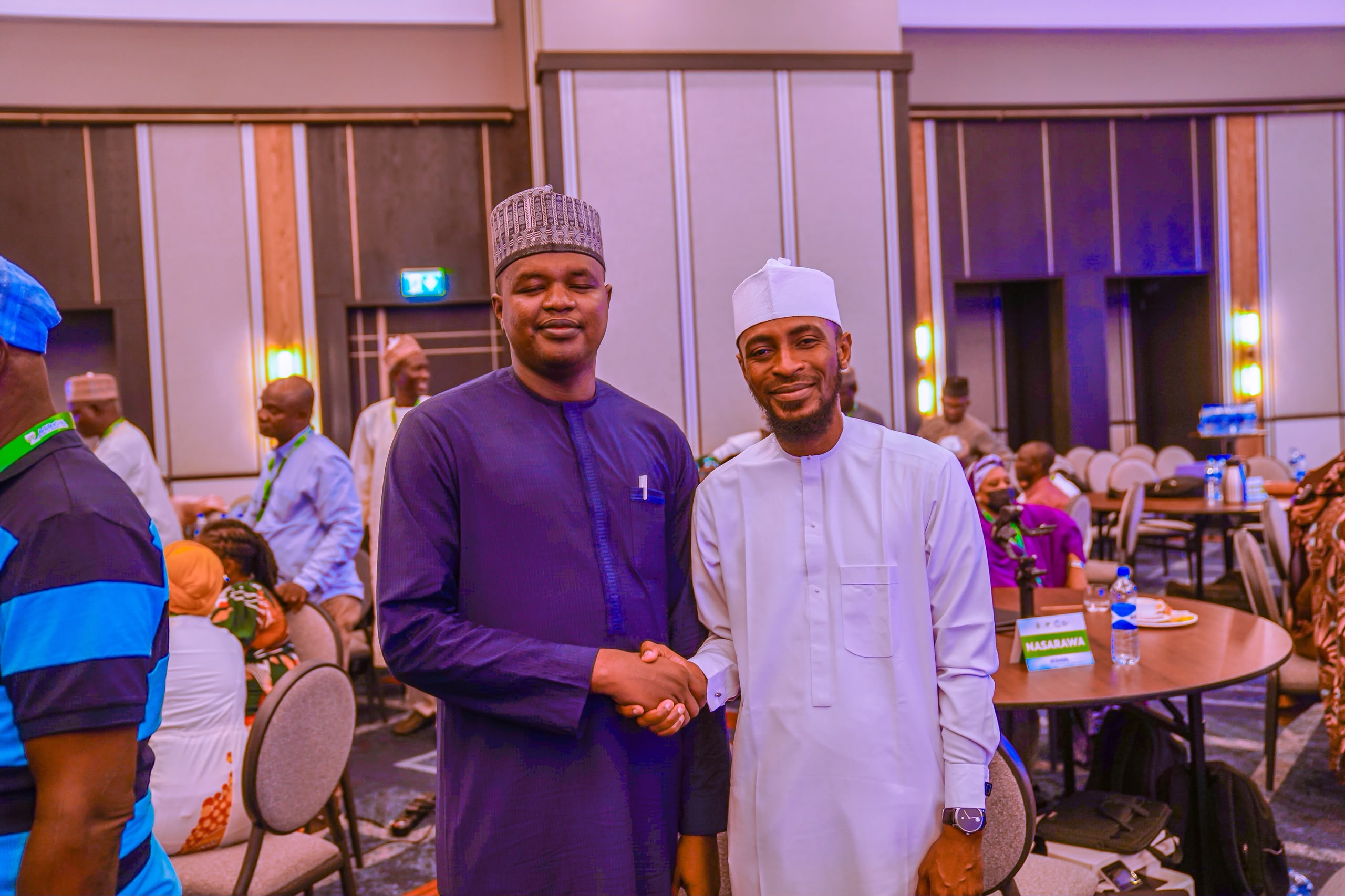
A major highlight of Day 2 was the review of Strategic Catchment Management Plans (SCMPs) by participating states, supported by technical expertise from World Bank specialists and the Federal Project Management Office.
The exercise forms part of ongoing efforts to ensure interstate coordination and strategic alignment of both current financing and proposed additional financing work plans with priority interventions identified across the 20 Strategic Catchment Management Plans.