ACReSAL Stakeholders Validates Strategic Catchment Management Plans (SCMPs) in Plateau State, Paving Way for Sustainable Natural Resources Management in Nigeria
February 5, 2026
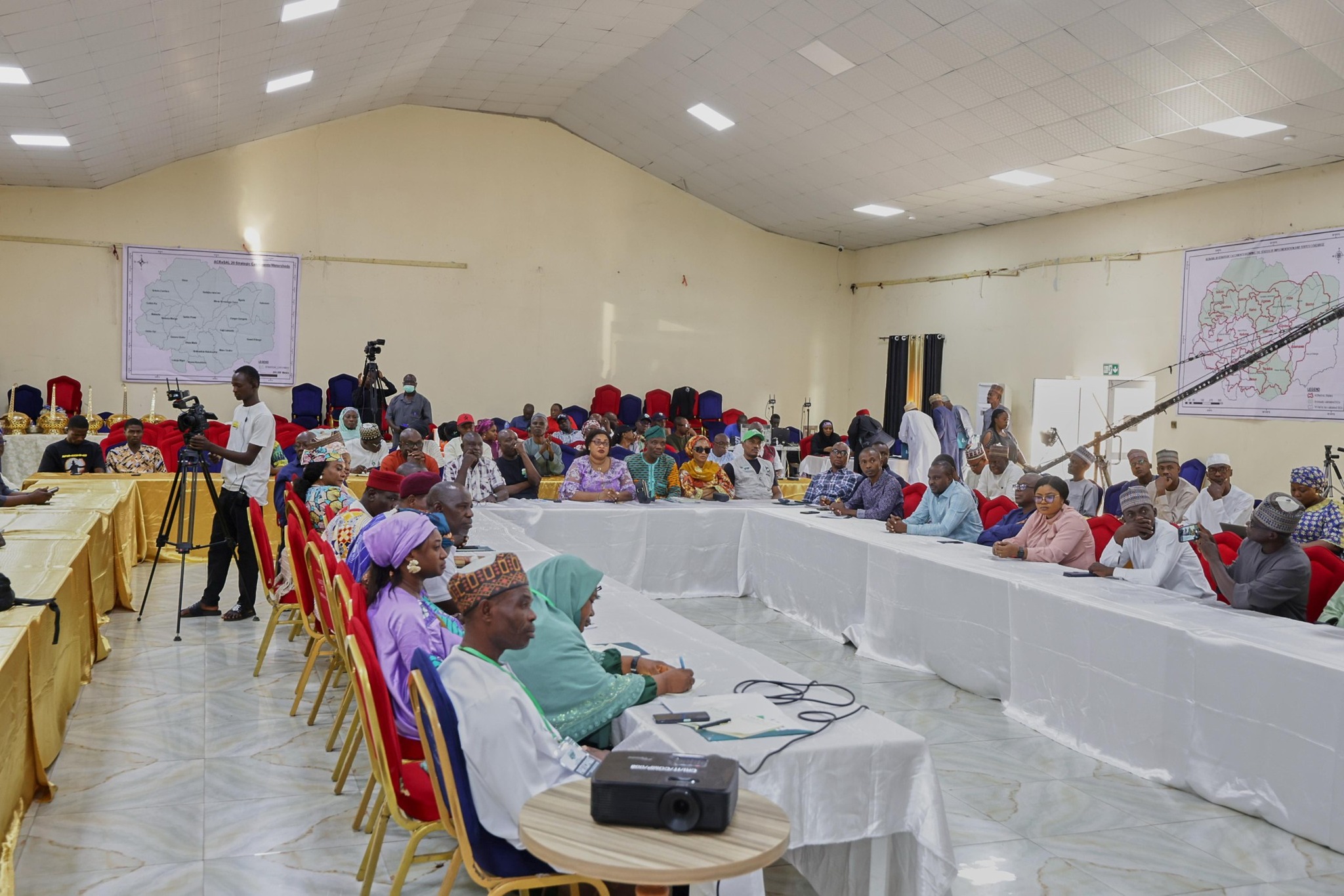
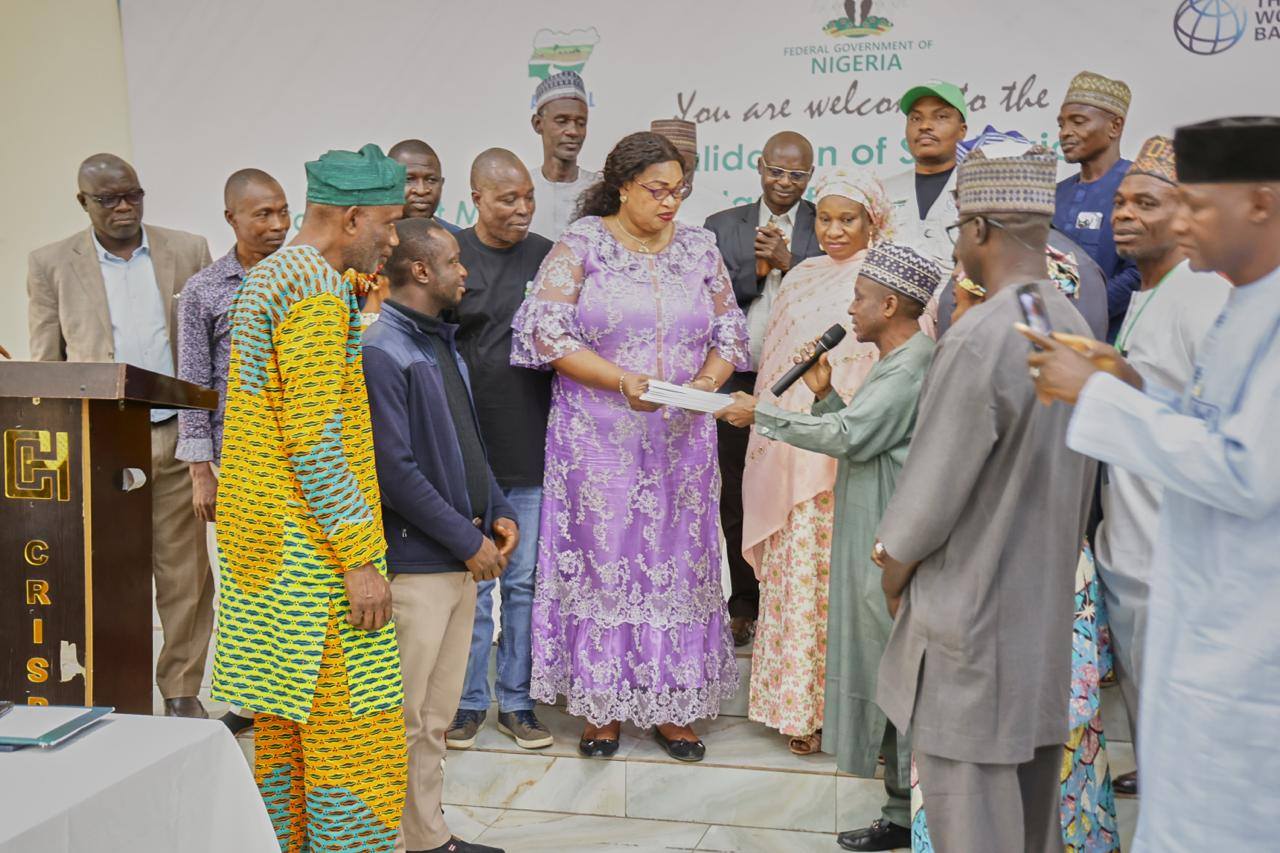
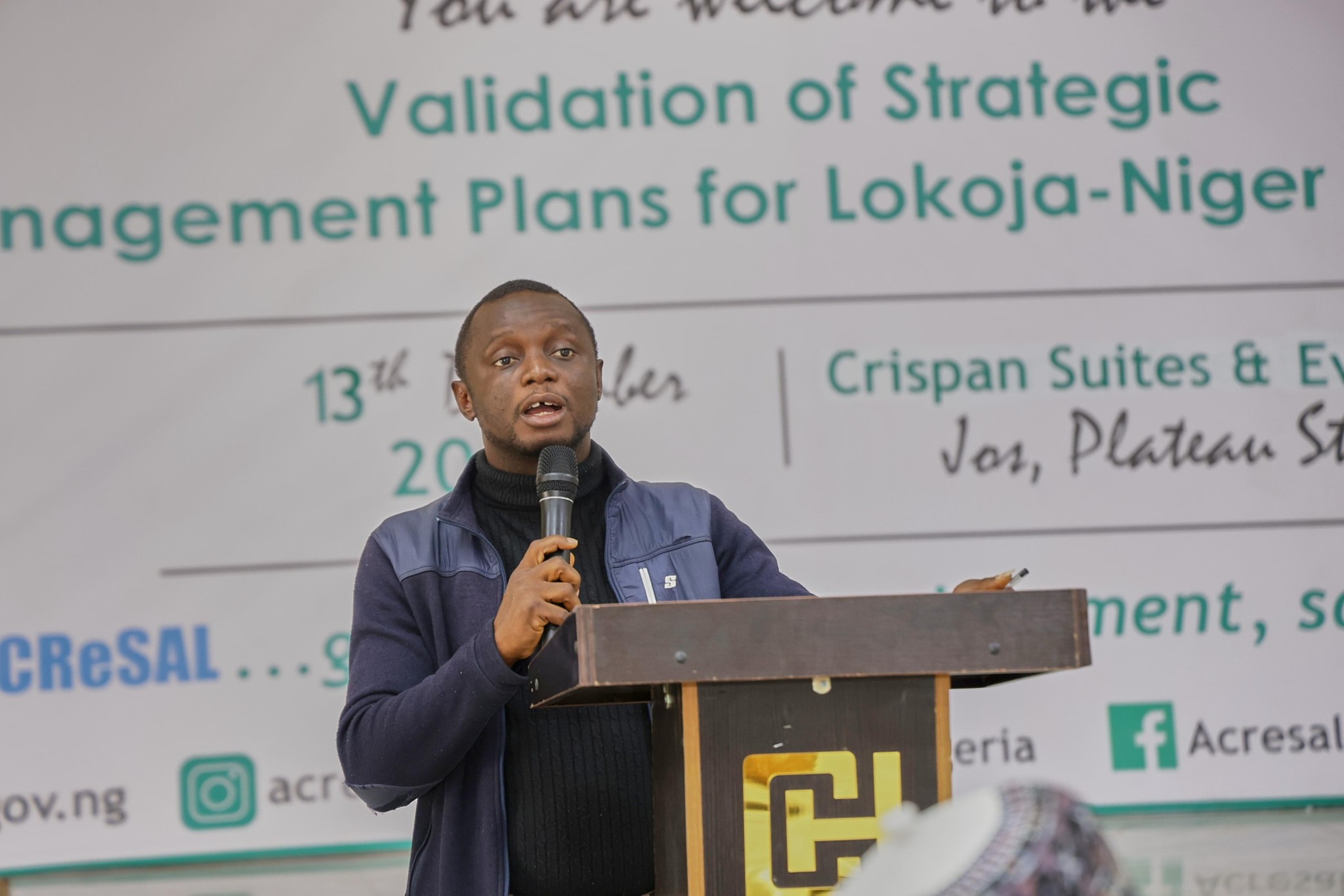
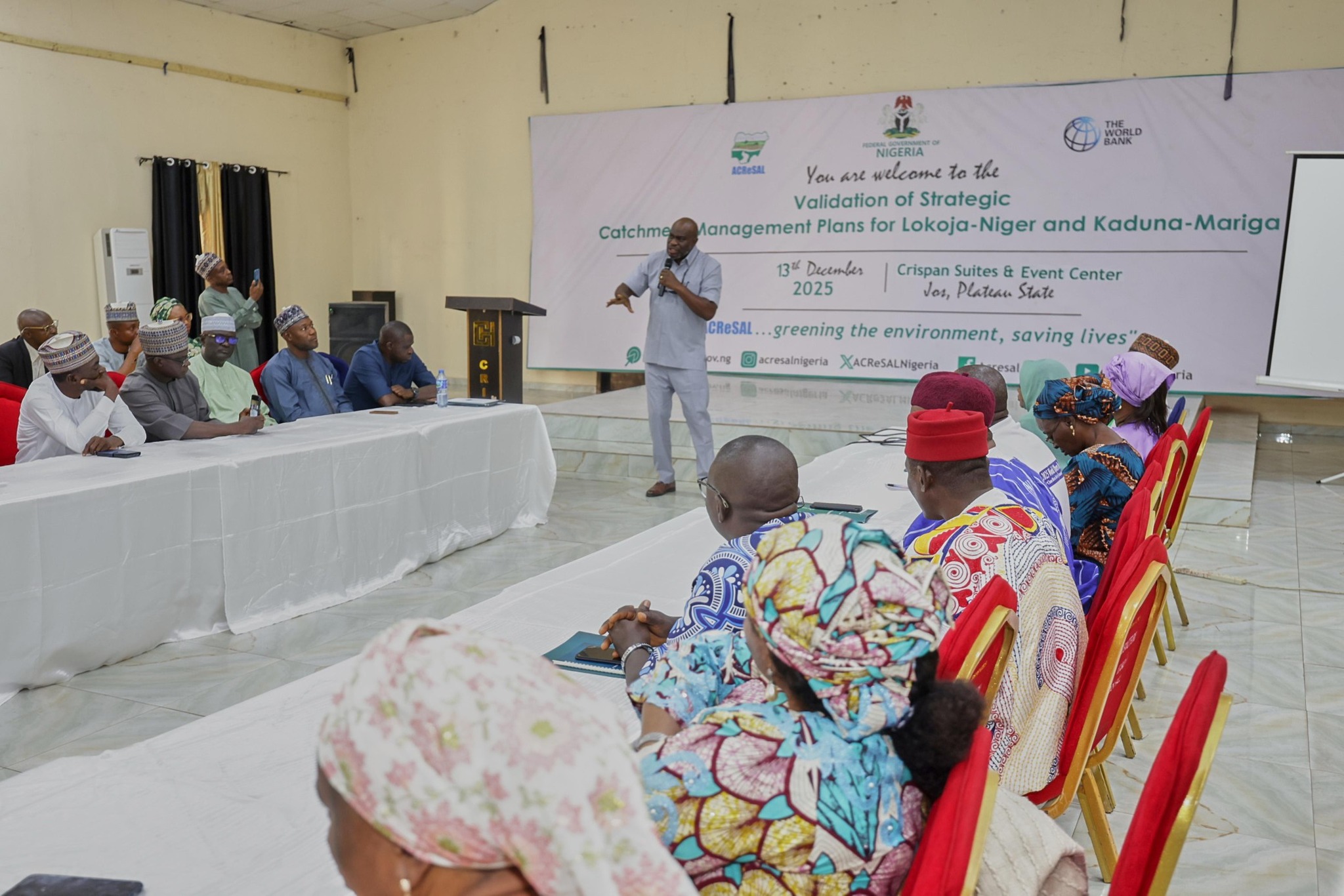
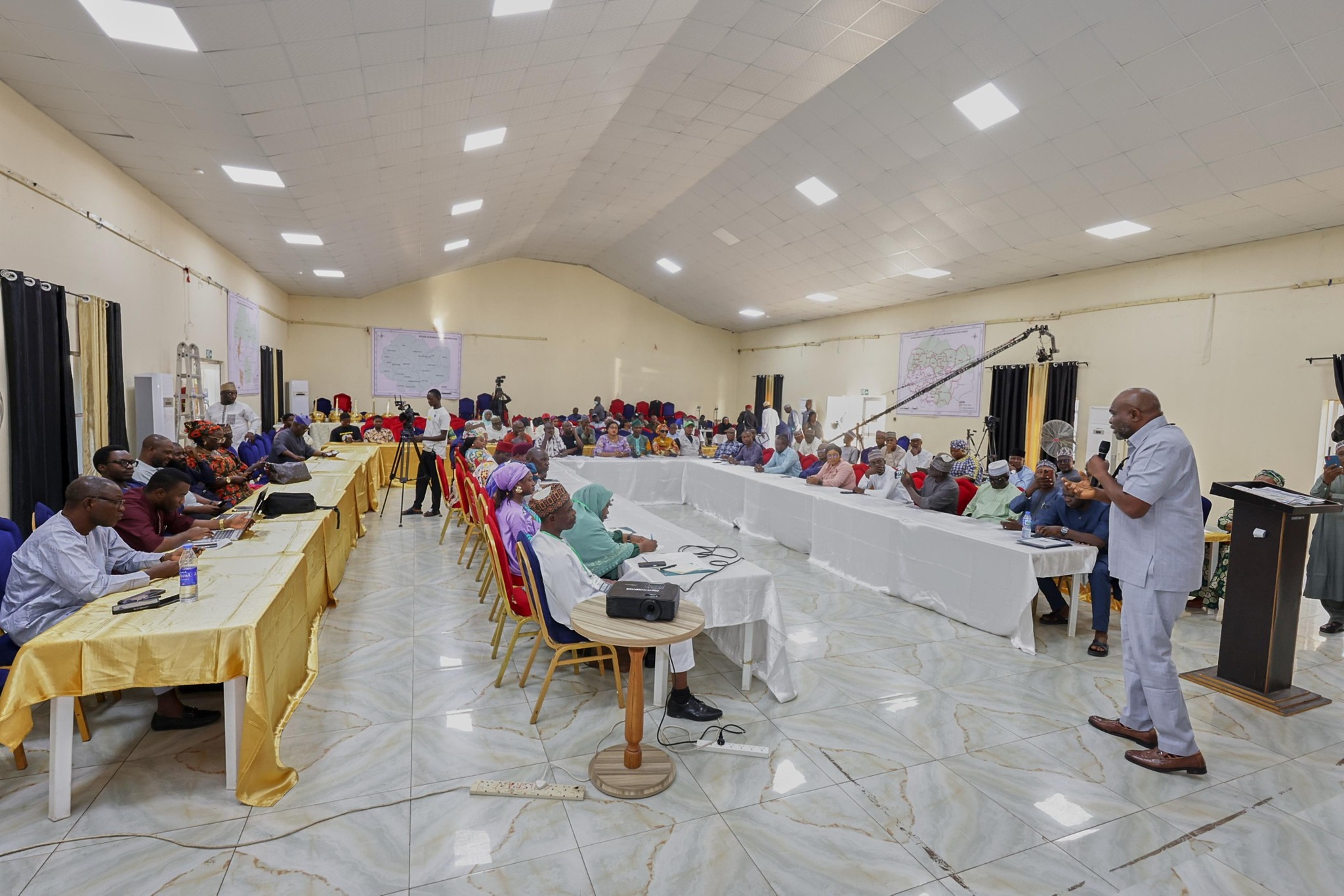
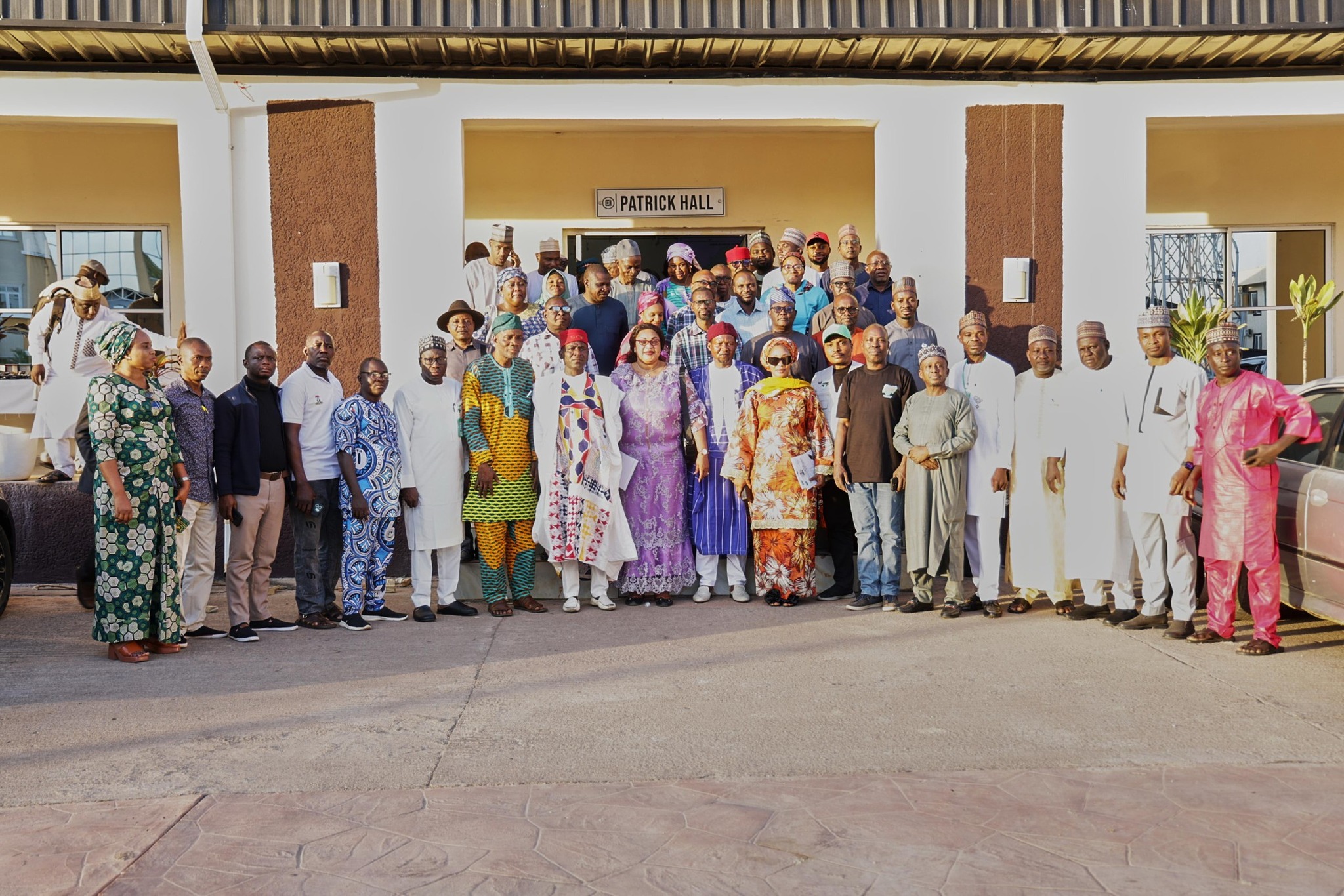
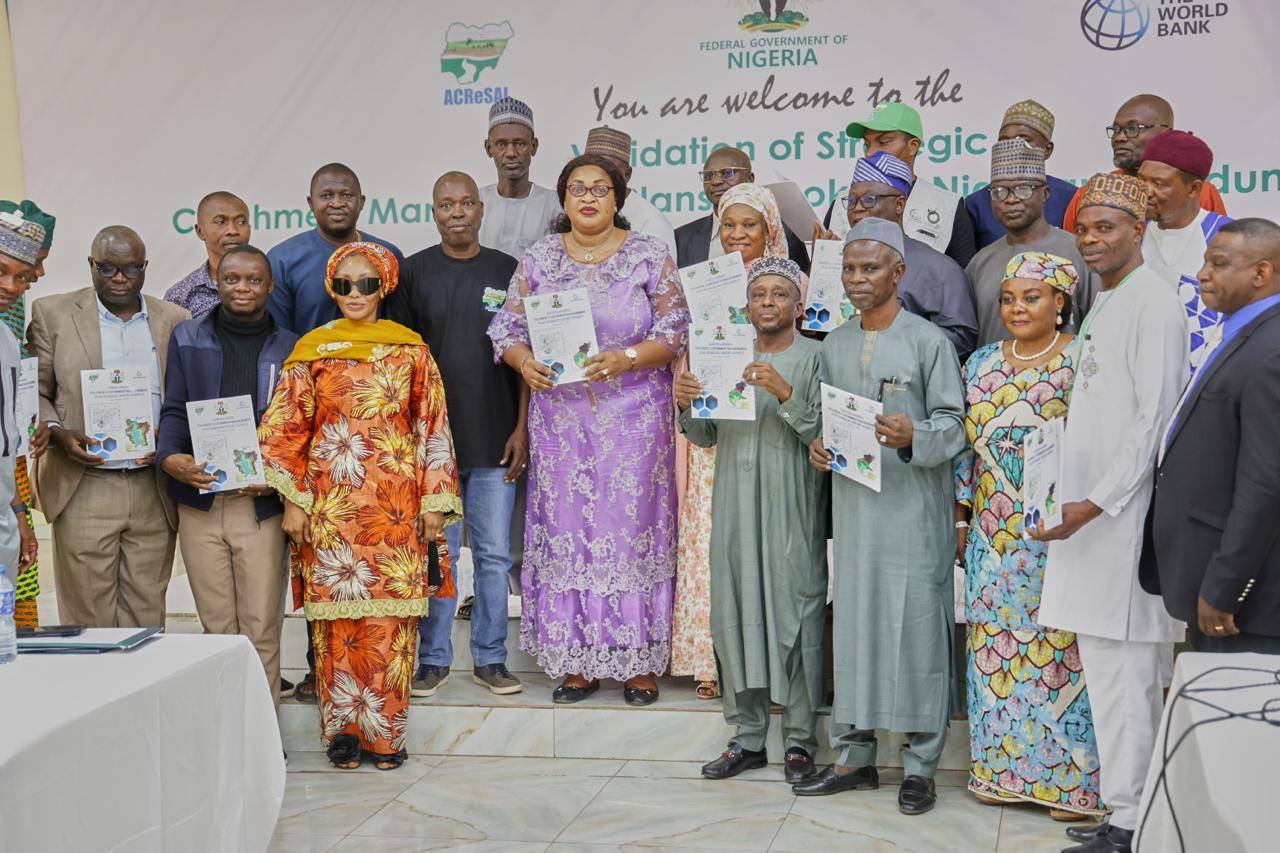
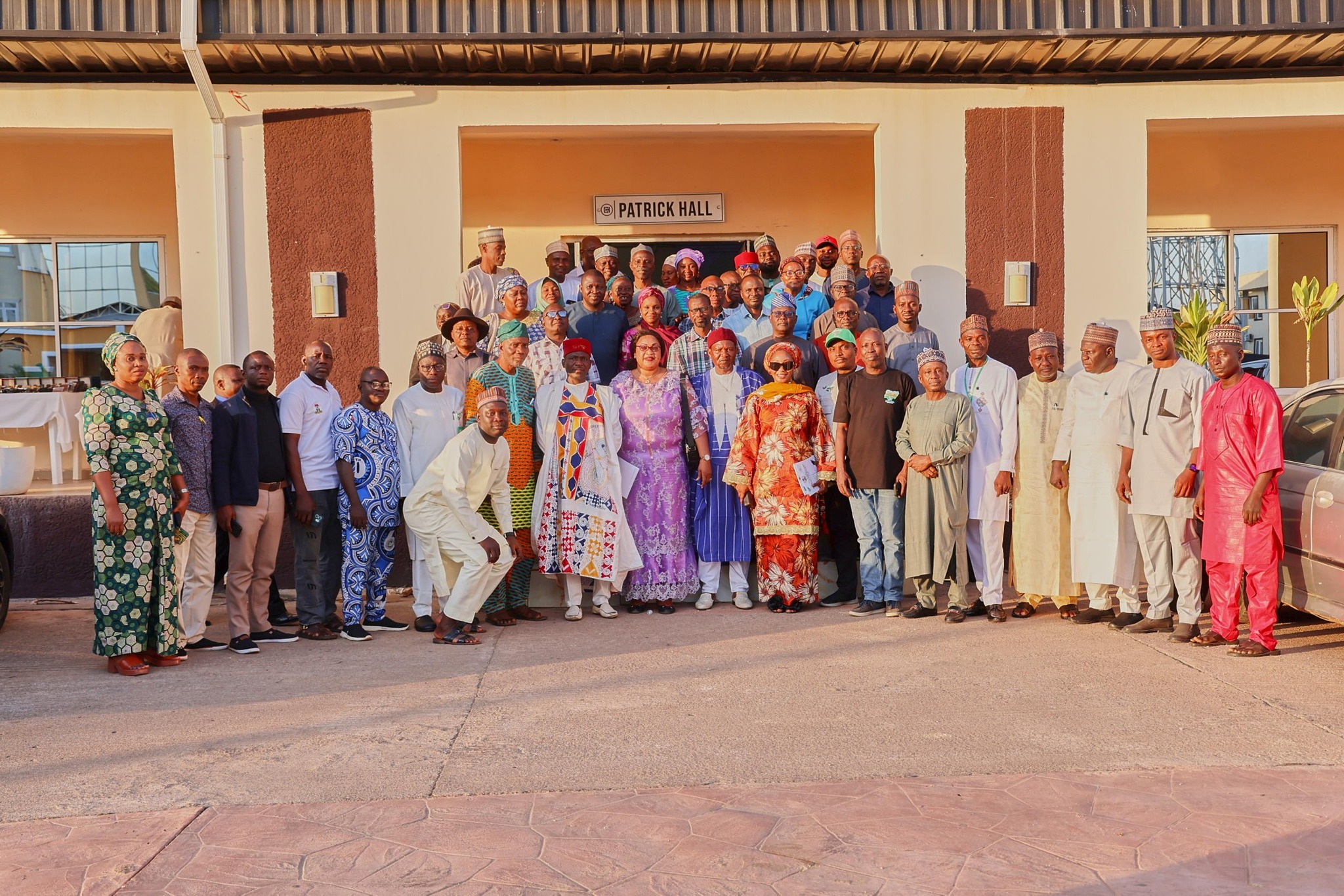
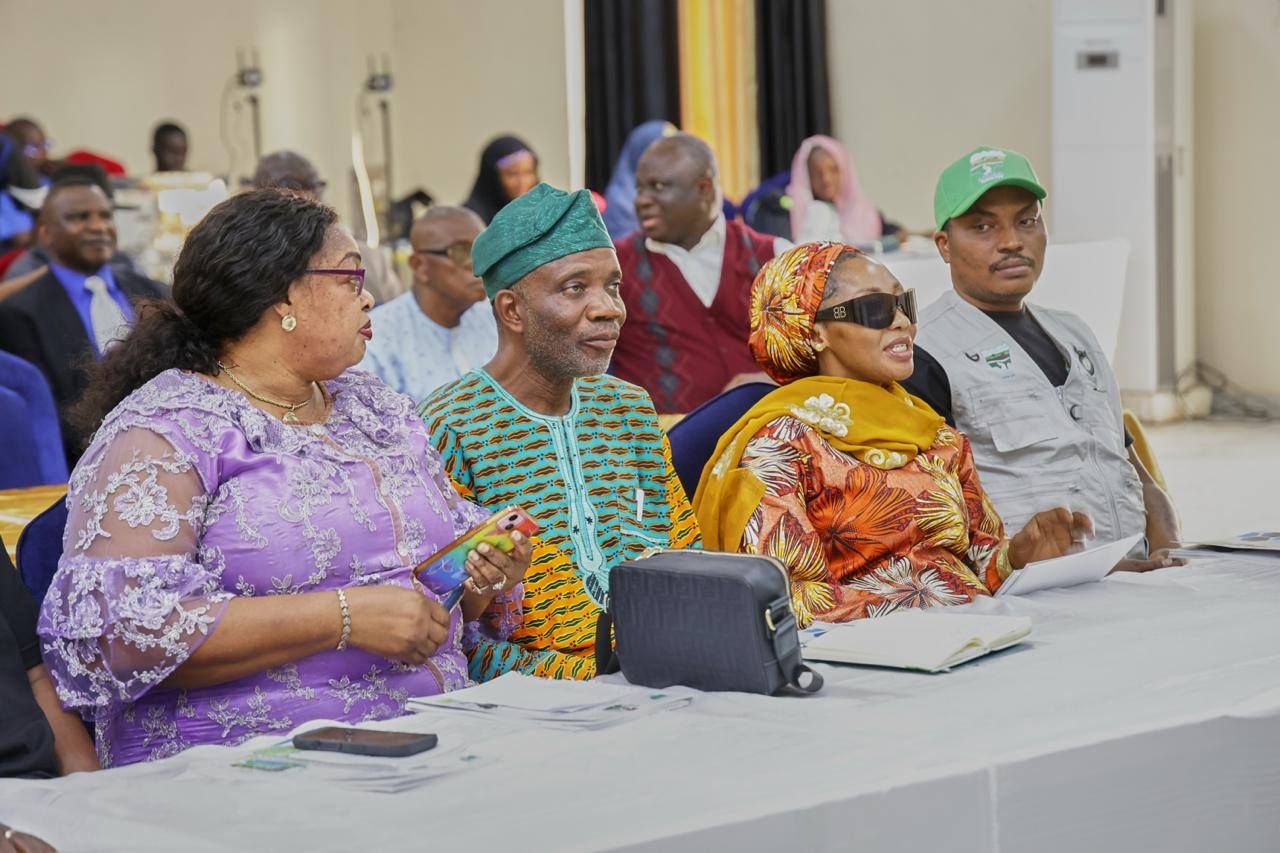
Jos, Plateau State – The crucial roadmap for sustainable environmental and natural resources management in Nigeria advanced as ACReSAL institutional stakeholders convened at Crispan Hotel, Jos, Plateau State, for the Validation Ceremony of the Kaduna–Mairiga and Kogi–Niger Strategic Catchment Management Plans (SCMPs).
The validation of the two key documents brings the total number of SCMPs validated by the ACReSAL Project stakeholders to 11, out of the 20 plans the project is supporting the Federal Government of Nigeria to develop.
The National Project Coordinator (NPC) for the ACReSAL Project, Abdulhamid Umar, in his opening remarks, delivered by the Water Resources Management Specialist, Adams Shettima, stressed that the event’s purpose was to secure final validation for the stakeholders’ earlier inputs. This validation is a critical step, enabling participating states to move into the implementation phase. The NPC noted that the finalized plans will be domiciled in the Federal Ministry of Water Resources and Sanitation for long-term implementation and environmental sustainability.
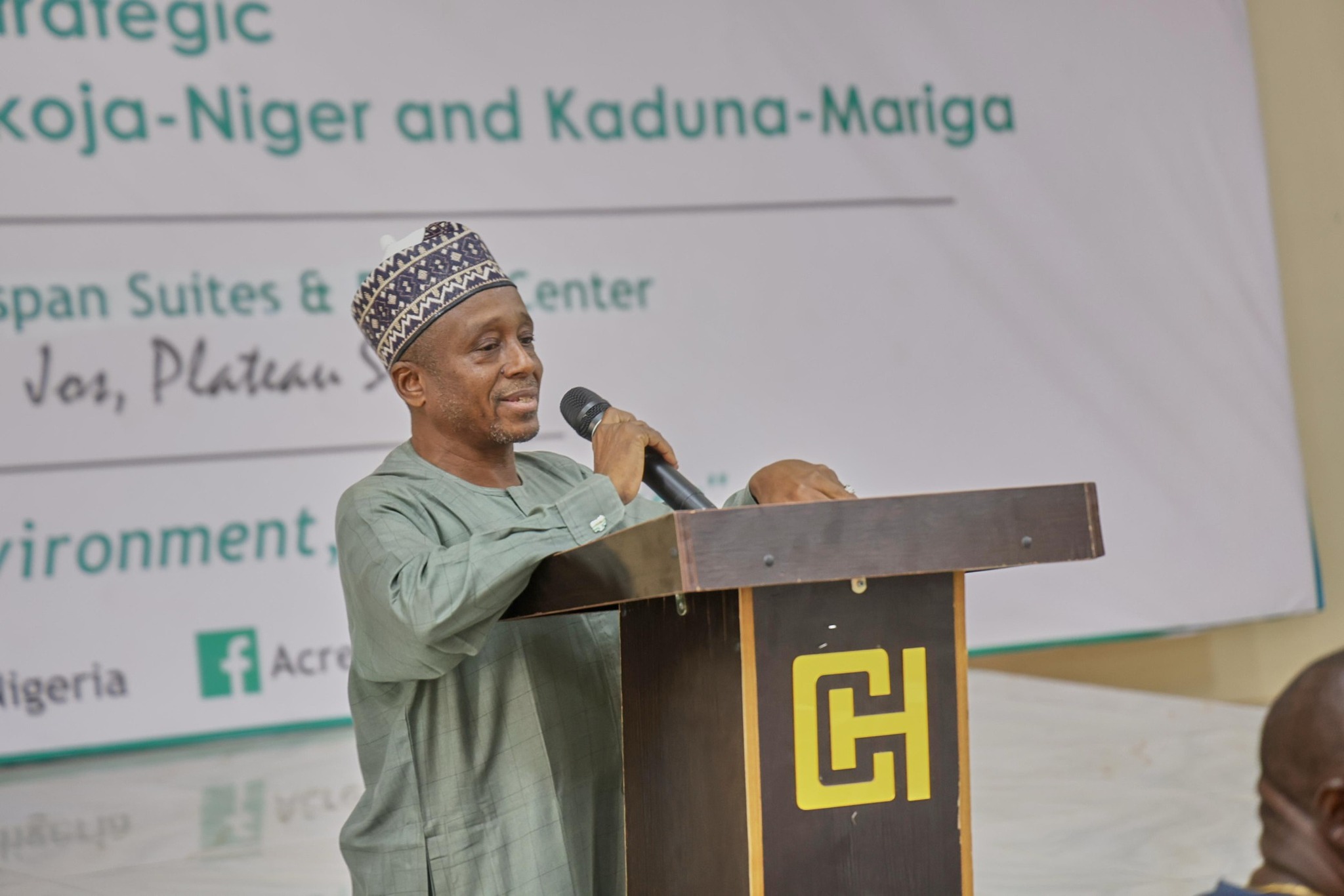
Adding an international perspective, Dr. Manievel Emmanuel Sene, Co-Task Team Leader for ACReSAL and Senior Agricultural Specialist at the World Bank, highlighted that the ACReSAL project’s objective is to combat land degradation—the justification for the World Bank’s comprehensive six-year investment in the Nigerian Government. Dr. Sene emphasized the necessity of a comprehensive approach that tackles degradation through physical infrastructure, erosion and flood control, and the practice of sustainable agriculture. He noted that the entry points for ACReSAL’s investment span from strategic and micro-watersheds down to the community level, acknowledging that land degradation stems from multiple factors, including mining, climate change, unsustainable human activities, and urbanization.
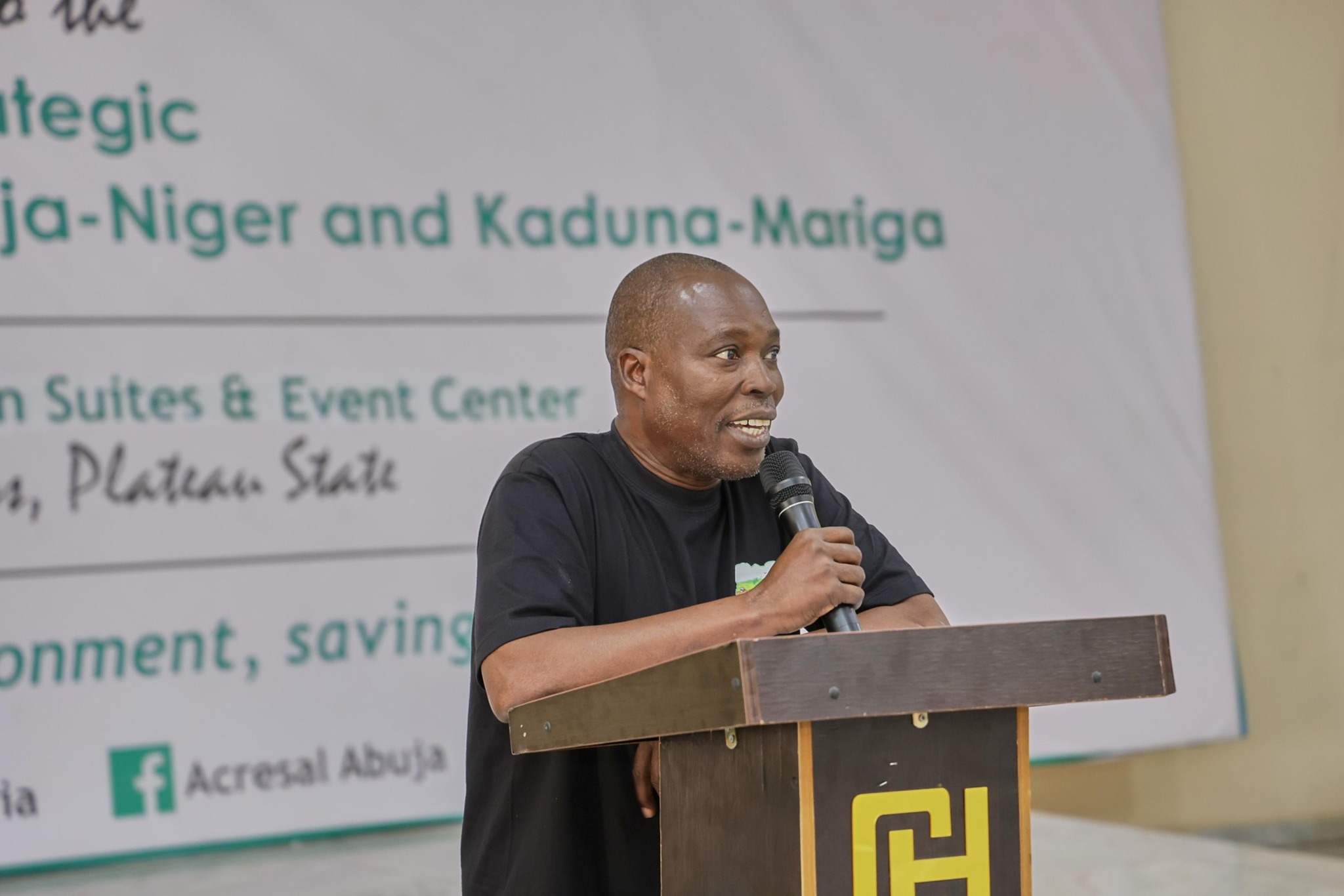
Celebrating the milestone, Dr. Sene urged stakeholders to accelerate the validation of the remaining nine plans to complete the set of 20. He also offered a cautionary prayer that the SCMPs “will not be like other documents” and will be effectively implemented through sustained collaborative efforts, engagement, and financing.
Further advising the stakeholders, Dr. Joy Iganya Agene, Task Team Leader for ACReSAL and Senior Environment Specialist at the World Bank, underscored that implementation is a shared responsibility, not ACReSAL’s alone. She encouraged stakeholders to ensure the plans guide all spatial-based activities across various sectors—including Agriculture, Water Resources Management, Environmental Management, Urban Planning, and Solid Mineral Resources Management—within their respective ministries and state executive councils. Dr. Agene described the plan as a “living document” that can be updated every five to ten years and asked stakeholders to be proud of their contribution to a national document that will benefit the country for sustainability.
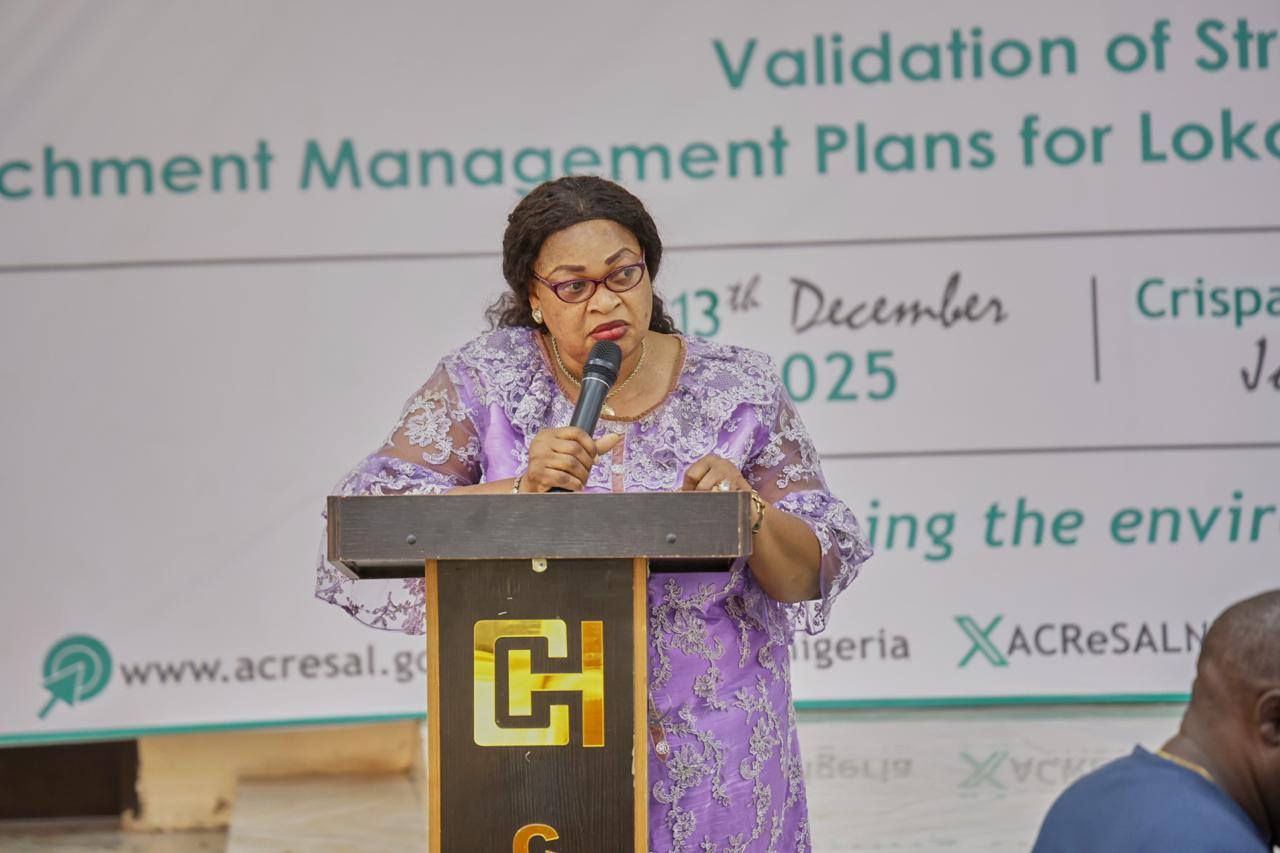
In a goodwill message delivered on his behalf by Engr. Ngozi, Director of Hydrology at the Federal Ministry of Water Resources and Sanitation, the Permanent Secretary, Mr. Richard P. Pheelangwah, commended ACReSAL, the World Bank, and all stakeholders for developing the critical plans.
The Permanent Secretary reaffirmed the Ministry’s full support for the plans’ implementation. “The Strategic Catchment Management Plans remain one of the most important pillars for achieving integrated watershed management, climate resilience, and sustainable land restoration across the participating states,” the message stated. It further noted that the regional approach, cutting across eight ACReSAL states, aligns strongly with the Ministry’s mandate to promote coordinated basin-wide planning, improve hydrological data management, and strengthen early warning systems.
The Ministry expressed its commitment to close collaboration to ensure the validated SCMPs “transition seamlessly into action, through investments, policy strengthening, and institutional collaboration,” and wished the participants productive deliberations.