Acresal, World Bank Call for Urgent Stakeholder Ownership as Implementation-Focused Engagements For 20 Strategic Catchment Management Plans Conclude
October 15, 2026
JOS, PLATEAU STATE — Marking a critical turning point in Nigeria’s environmental governance, the Federal Government is close to successfully completing implementation-focused engagements for the Strategic Catchment Management Plans (SCMPs). With the robust baseline of scientific planning fully established, the SCMPs have officially pivoted from broad validation to intensive, implementation-focused stakeholder engagements designed to prioritize localized interventions and drive coordinated multi-state execution.
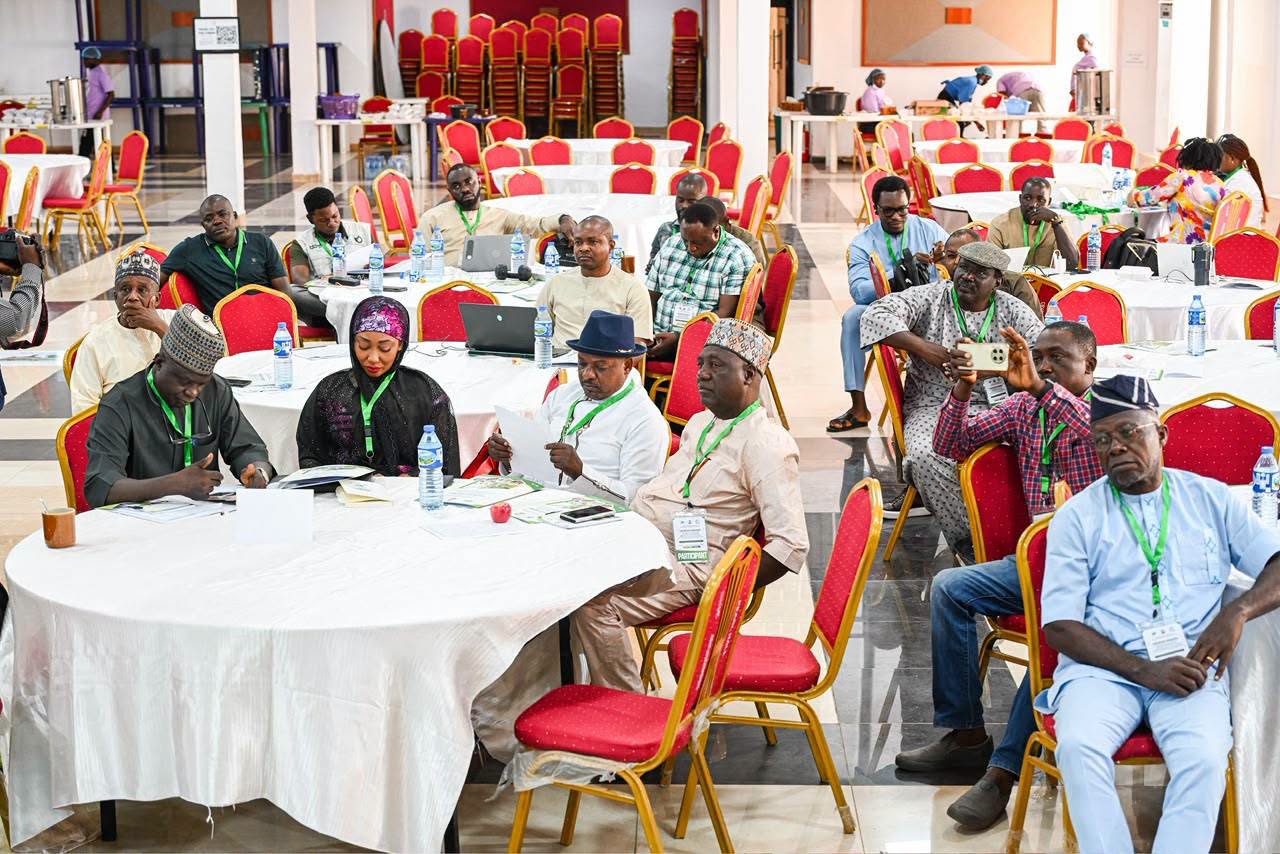
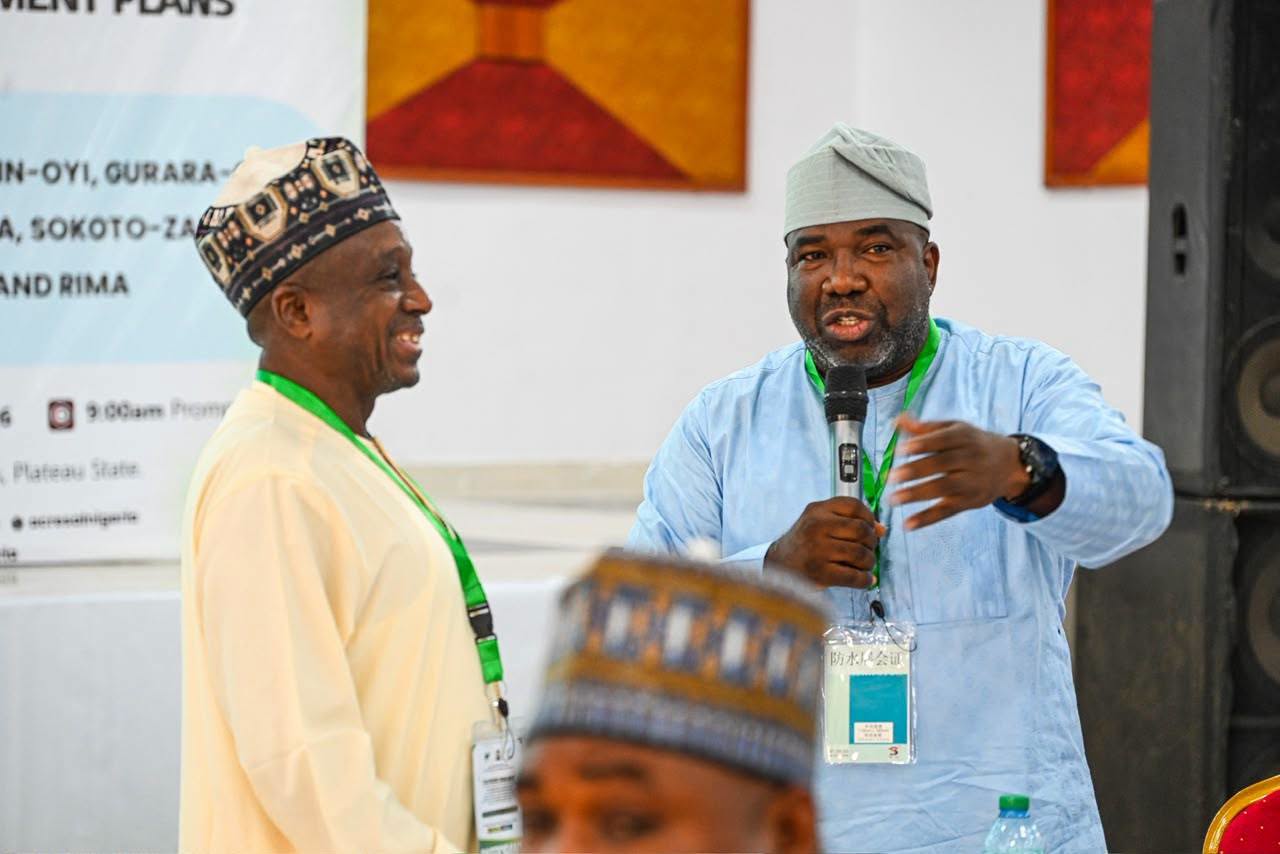
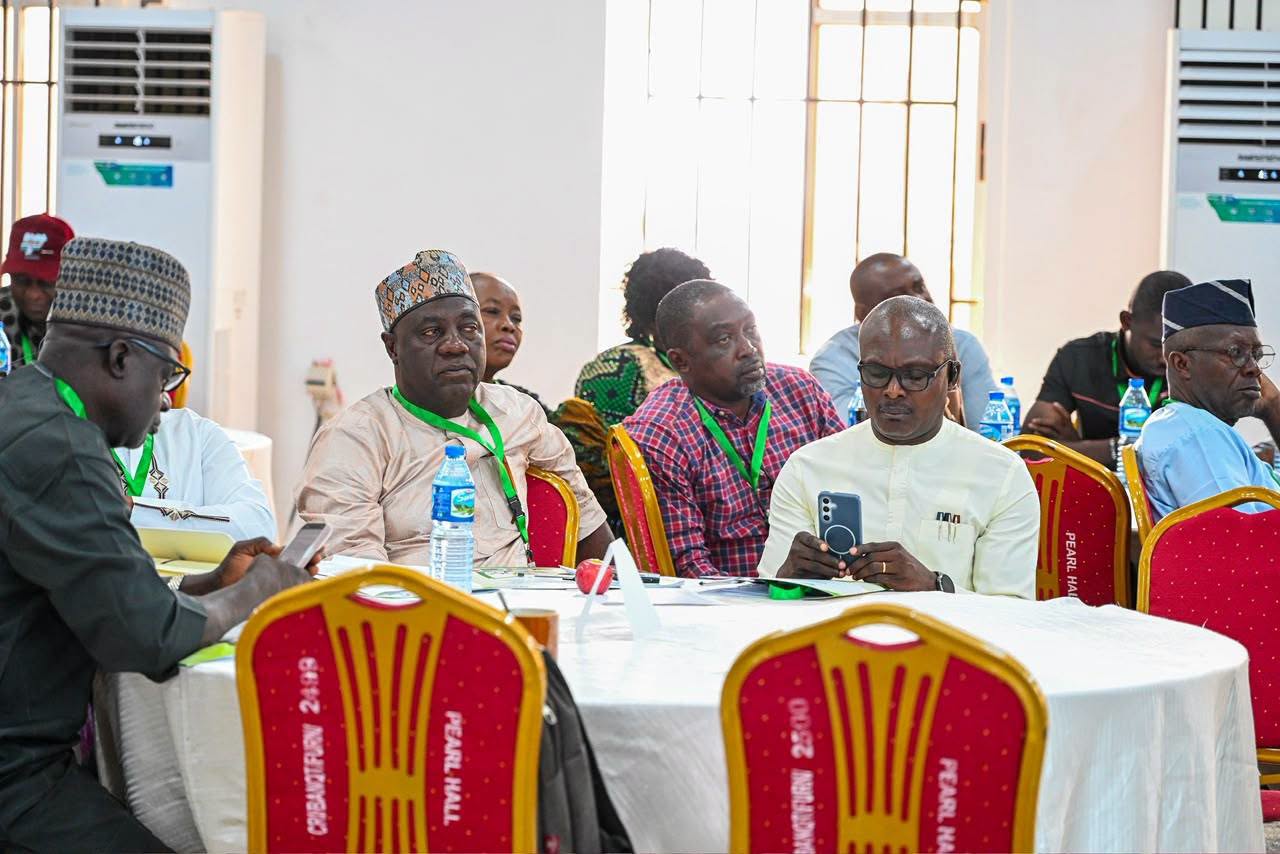
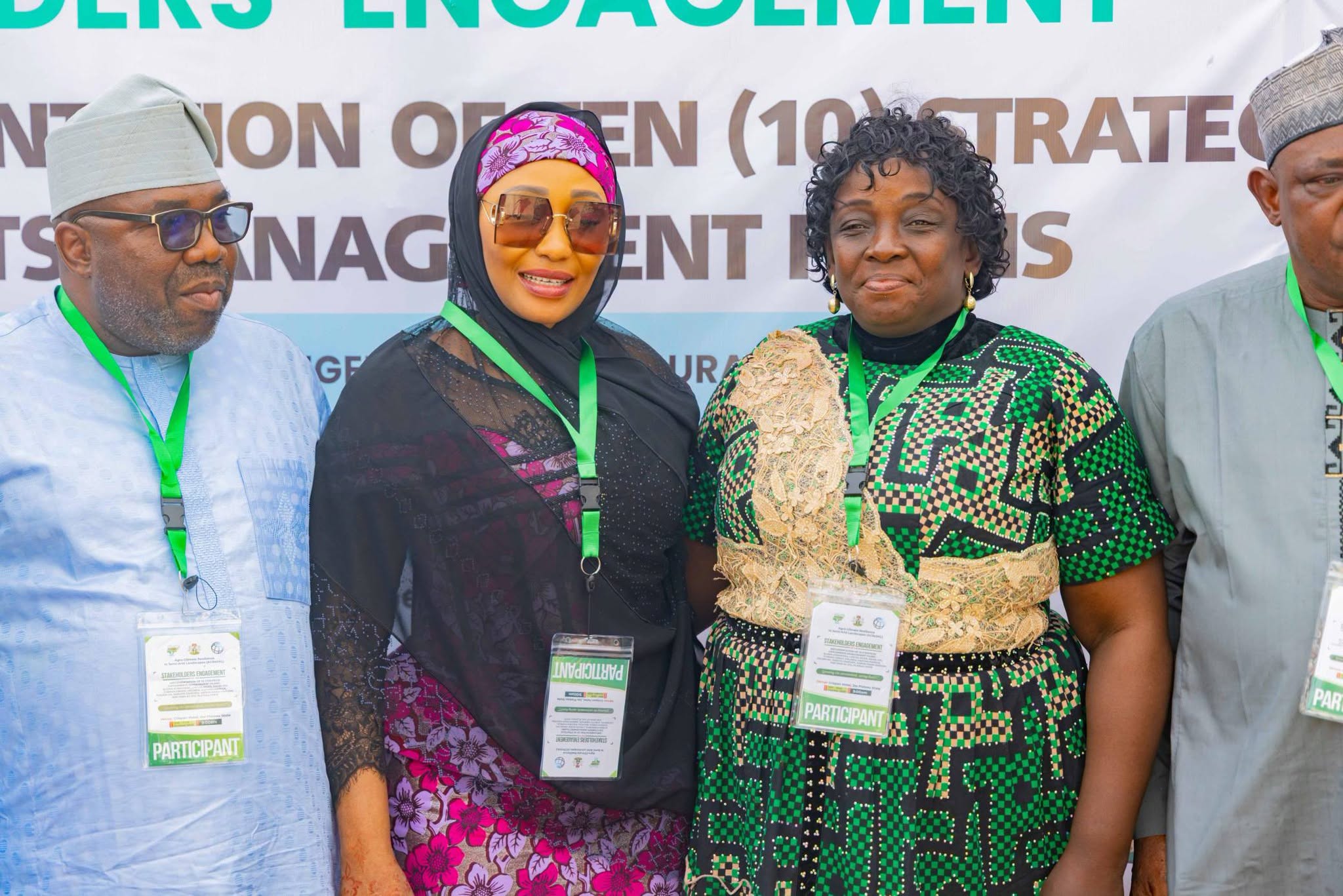
This strategic shift took center stage at the opening of a high-level stakeholder engagement convened at the Crispan Hotel, Jos, Plateau State. The workshop marks the final round of consultations for the remaining 10 strategic catchments, following similar successful engagements concluded for the first 10 catchments.
The comprehensive network of 20 strategic catchments spans 20 participating states. The specific catchments under review in this final phase include Aloma-Konshisha, Lokoja-Niger, Oshin-Oyi, Gurara-Gbako, Melinda, Kaduna-Mairiga, Golbin-Ka, Sokoto-Zamfara, Sarkin-Pawa-Kaduna, and Rima.
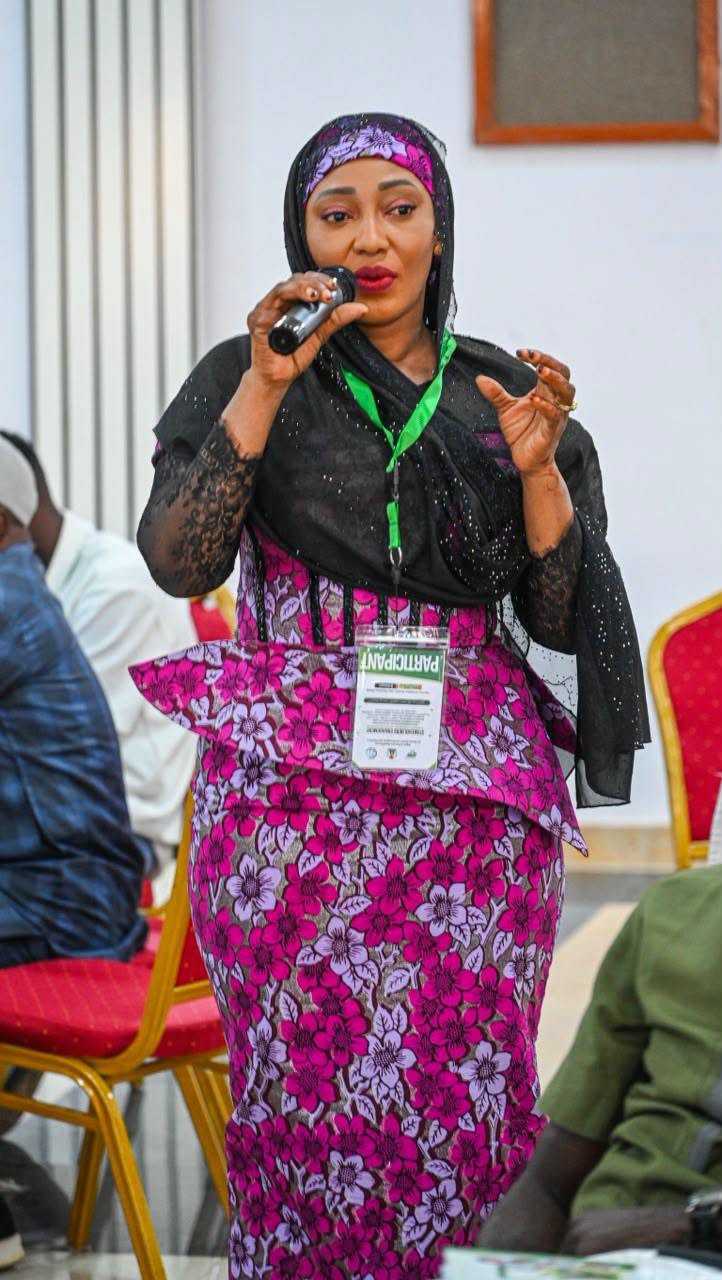
Delivering her keynote remarks, the ACReSAL Task Team Leader and World Bank Senior Environment Specialist, Dr. Iganya Joy Agene, stressed that safeguarding the nation’s natural assets requires moving past single-agency dependence. She emphasized that the successful implementation of the plans is not the sole responsibility of ACReSAL, but requires active participation from relevant ministries, departments, and agencies (MDAs), state governments, development partners, and local communities.
Dr. Agene urged stakeholders to integrate these frameworks directly into daily operations, policies, and development budgets—particularly across agriculture, water resources, environment, urban planning, and solid mineral management. Describing the SCMPs as “living documents,” she noted they should serve as strategic guides for spatially based activities and inform decision-making within relevant ministries and state executive councils to ensure coordinated and sustainable management of catchment areas over five- to ten-year horizons.
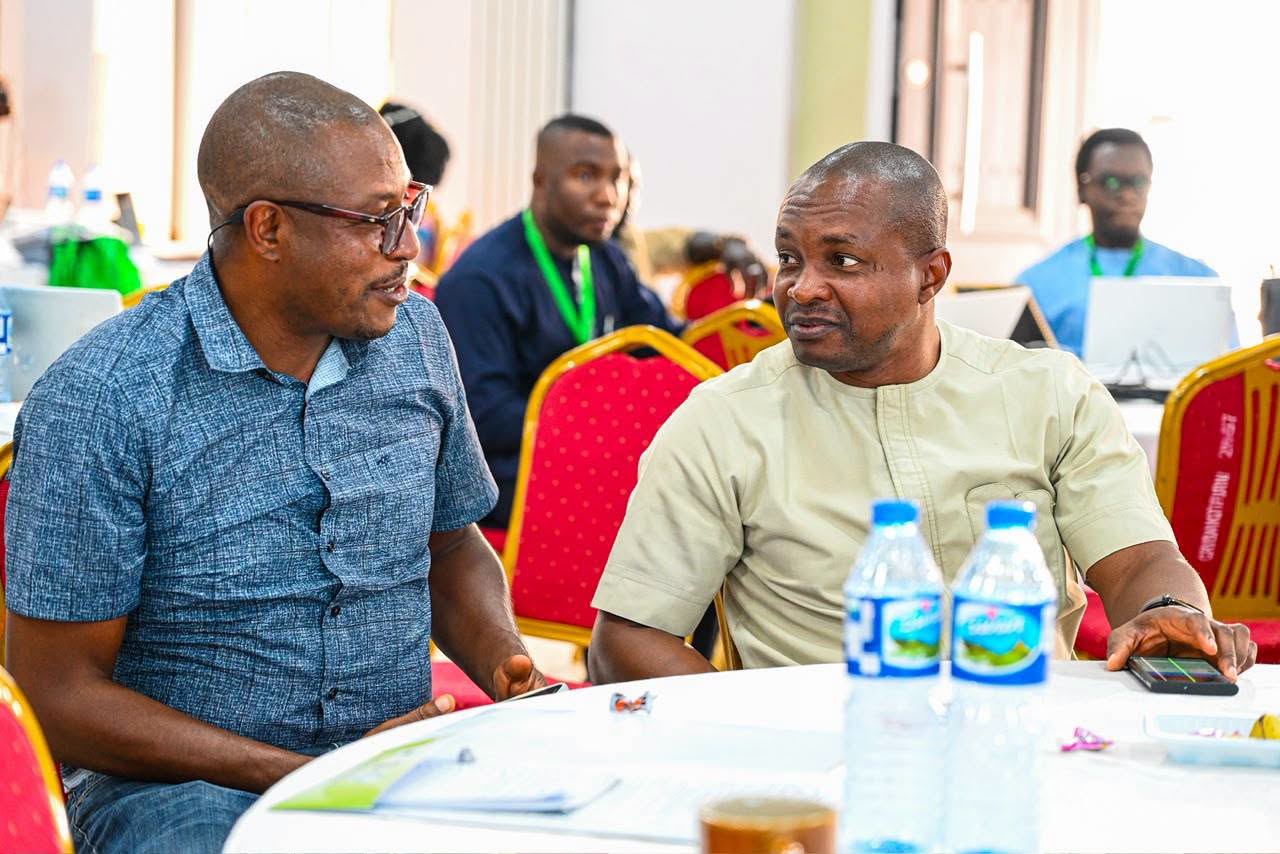
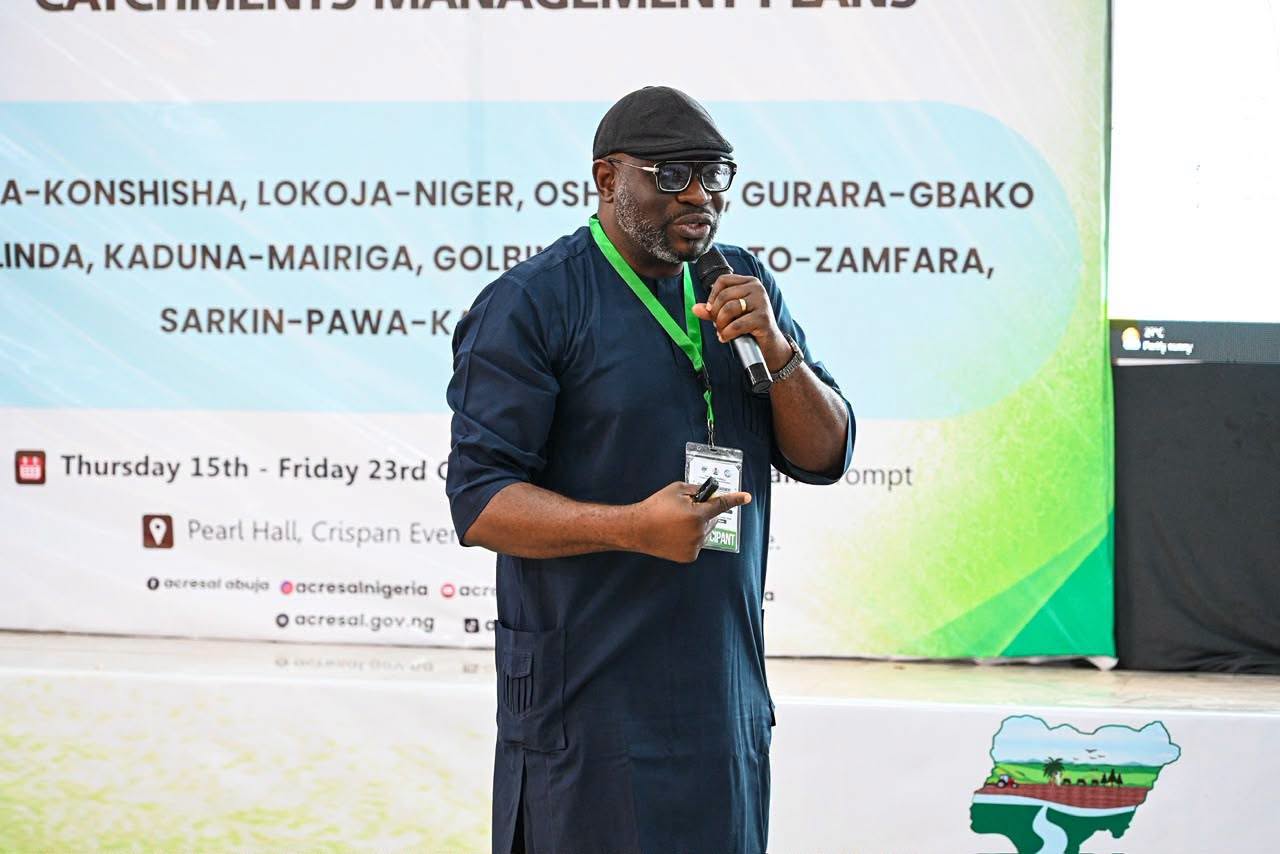
Representing National Project Coordinator Abdulhamid Umar, Water Resources Management Specialist Shettima Admas elaborated on the operational roadmap for this transition. Welcoming participants—including federal and state MDAs, River Basin Development Authorities, traditional institutions, academia, civil society, development partners, and newly integrated youth focal persons—he noted that the expansive geographic footprint across the participating states provides a monumental opportunity for inter-state development collaboration.
Mr. Admas highlighted that ACReSAL has successfully developed and validated twenty Strategic Catchment Management Plans covering critical watersheds, providing a scientifically grounded framework for addressing land degradation, soil erosion, flooding, drought, biodiversity loss, and declining ecosystem productivity. Outlining the goals for the Jos sessions, he stated:
“The purpose of this engagement is clear. We are here to collectively review the investment recommendations contained in the SCMPs, identify those interventions that are most critical, feasible, impactful, and sustainable, and agree on a prioritized implementation pathway.
While the SCMPs contain a broad range of technical recommendations, resource realities require us to make strategic choices that maximize environmental, social, and economic returns for our beneficiaries and communities.”
He further explained that before physical investments break ground, the prioritized interventions emerging from the technical sessions will be presented during a series of high-level dialogues with the think-tanks and advisory teams of State Governors. These state-level engagements are engineered to secure formal policy endorsement, align project objectives with state budgets, mobilize counterpart commitments, and guarantee long-term institutional sustainability beyond the life of the project.
As ACReSAL advances this unified framework to restore degraded land, mitigate soil erosion, control seasonal flooding, and reinforce climate resilience across Nigeria’s fragile ecosystems, the project continues to champion its core vision: Greening the Environment and Saving Lives.
Communication Specialist
ACReSAL
15th October 2026