

Building Resilience: The Strategic Catchment Management Plans (SCMPs) as a Blueprint for Sustainable Natural Resources Management in Nigeria
February 5, 2026
The Challenge: Landscapes at a Crossroads
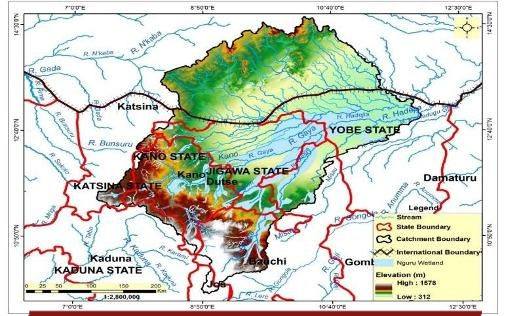
Across Northern Nigeria, the vast semi-arid landscapes are under siege from a complex web of environmental and socio-economic pressures. From the Rima basin to the Gongola valleys, communities face the harsh realities of deforestation, water pollution, and climate variability. These challenges are often compounded by unregulated mining, infrastructure deficits, and insecurity, creating a cycle of degradation that threatens both the environment and the livelihoods of millions. Historically, interventions were often fragmented, lacking the cohesive roadmap needed to address these interconnected issues and ensure that natural resource management was both strategic and sustainable.
Strategic Intervention: A Foundation for Restoration
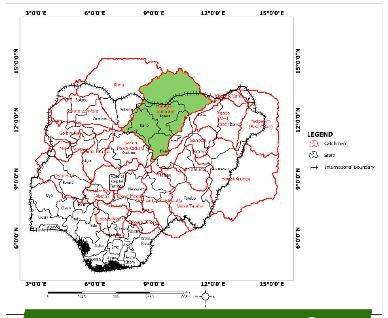
Under Component A of the ACReSAL project, a transformative approach was launched to move beyond reactive measures toward a long-term vision of landscape stewardship. The project facilitated the development of 20 Strategic Catchment Management Plans (SCMPs), covering all 19 implementing States and the FCT. These plans are not mere documents; they serve as the essential foundation and platform for all project interventions, providing a rigorous framework for the sustainable management of natural resources. By detailing the human, material, and ecological resources within each area, the SCMPs allow ACReSAL to identify “intervention catchments of interest” and propose the most sustainable approaches to managing them for the benefit of local residents.
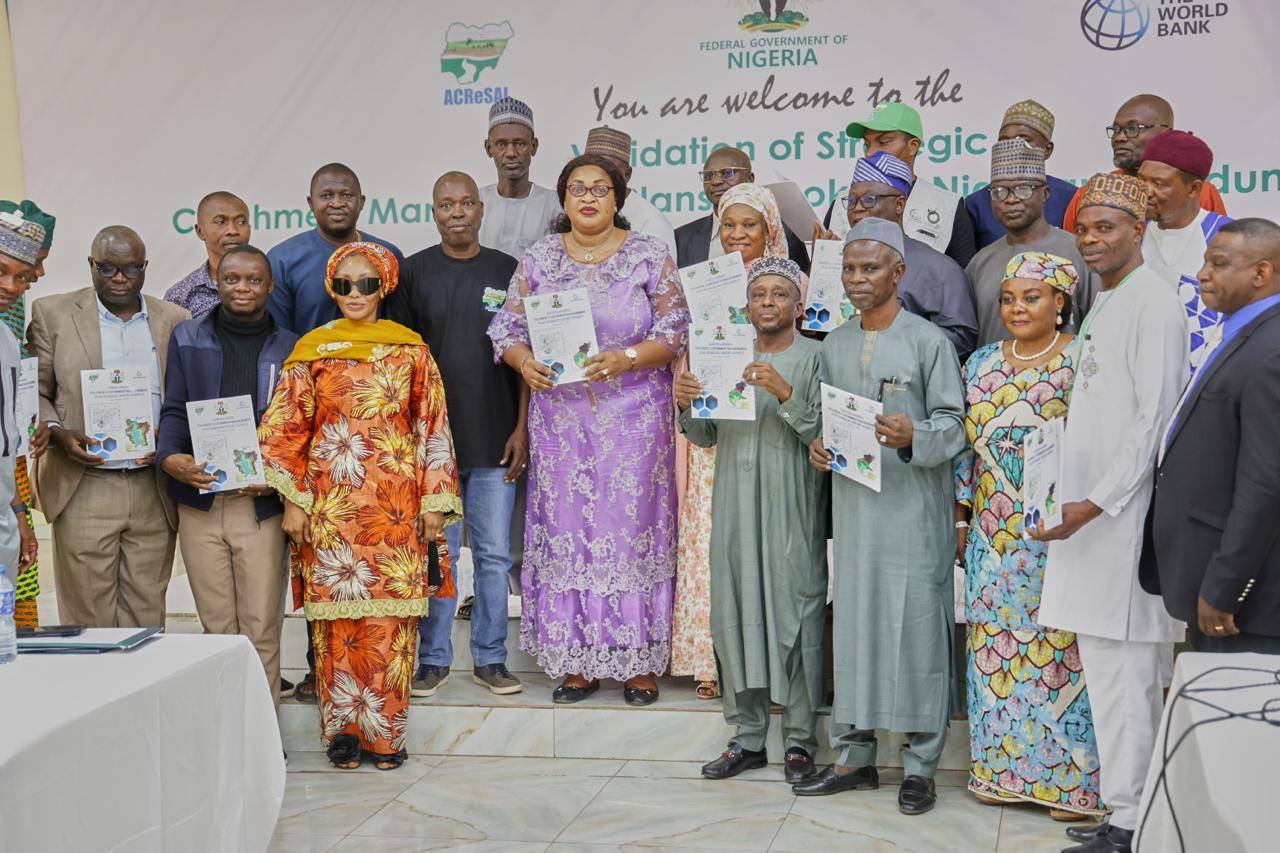
To ensure these blueprints are both comprehensive and inclusive, ACReSAL adopted an integrated management approach that considers multiple stakeholders and ecological processes simultaneously. The development process incorporated the insights of government agencies, community-based organizations, NGOs, religious leaders, and the private sector. This collaborative effort resulted in 20 distinct plans designed to restore degraded watersheds, namely: Gaji-Lamurde, Rima, Gulbin-Ka, Malenda, Oshin-Oyi, Sarkin-Powa, Kaduna-Mariga, Lokoja-Niger, Shemankar-Katsina-Ala, Wase-Taraba, Hawul-Kilange, Zungur-Gongola, Yedseram, Ngada, Misau-Komadugu-Gana, Sokoto-Zamfara, Hadejia-Jama’are, Aloma-Konshisha, Gurara-Gbako, and Benue-Mada.
A Resounding Impact: Strategic Precision and Optimization
The results of this strategic planning are already reshaping the landscape of Northern Nigeria. By identifying common challenges such as deforestation and climate variability, while leveraging local strengths like community-driven policies and existing World Bank programs, the SCMPs have created a shared vision for resilience. These plans ensure that resource allocation is optimized, directing investments to priority areas where they can achieve the greatest impact. Beyond environmental restoration, the SCMPs actively address social gaps, including policy deficits and Gender-Based Violence (GBV), ensuring that ecological preservation is always balanced with socio-economic development.
A Roadmap for a Sustainable Future
Through these 20 SCMPs, ACReSAL has moved from fragmented action to a unified, data-driven strategy. By balancing the needs of the environment with the aspirations of the people, the project has established a permanent roadmap for sustainable growth. These plans now serve as the central nervous system for all proposed investments, ensuring that every intervention—whether it be reforestation or water management—is a calculated step toward a more resilient and prosperous Nigeria.