Nigeria Endorses 20 Historic Strategic Blueprints To Restore Degraded Landscapes and Water Bodies
ABUJA, NIGERIA — The Federal Government of Nigeria, through the Agro-Climatic Resilience in Semi-Arid Landscapes (ACReSAL) Project, has reached a definitive milestone in its mission to climate-proof the nation’s drylands, successfully concluding the development and validation of 20 Strategic Catchment Management Plans (SCMPs) by institutional stakeholders. This initiative is the first of its kind in Nigeria.
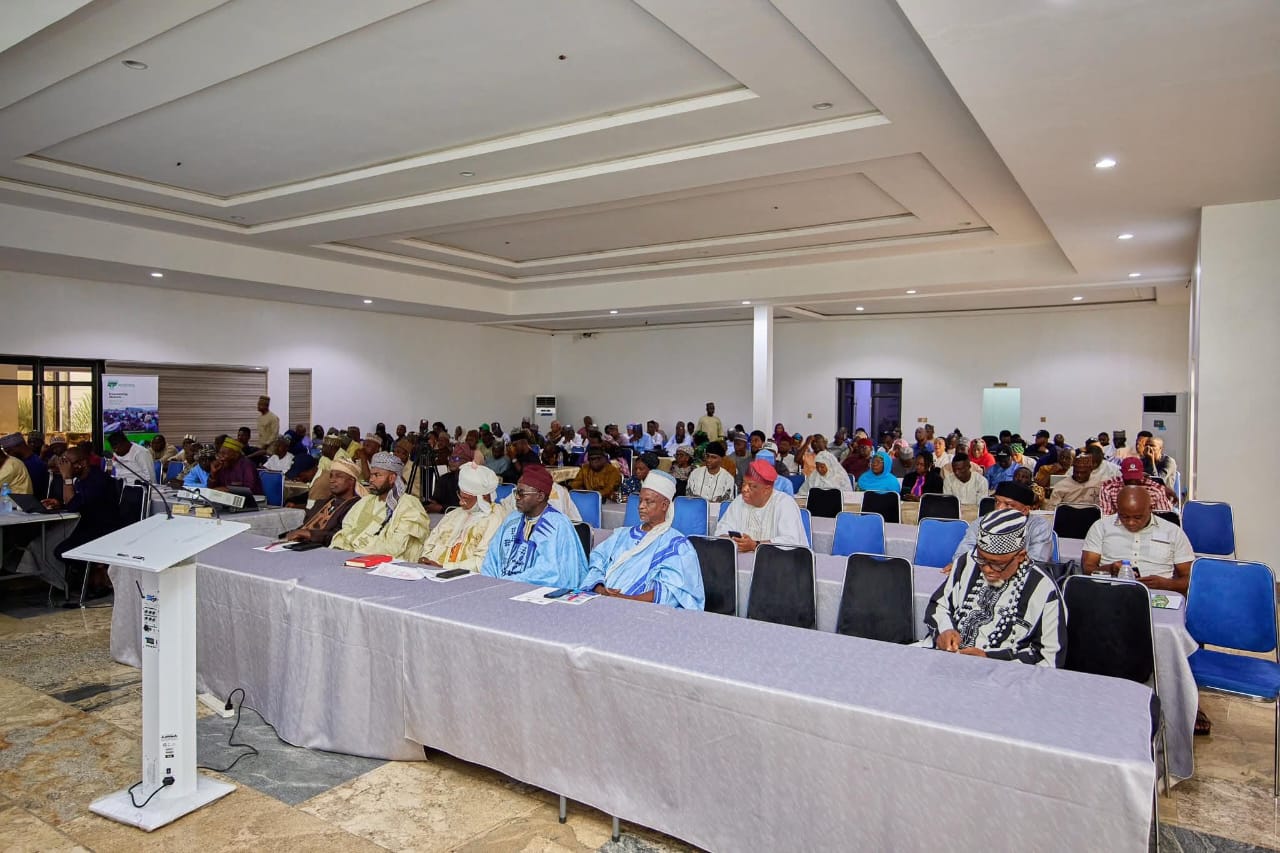
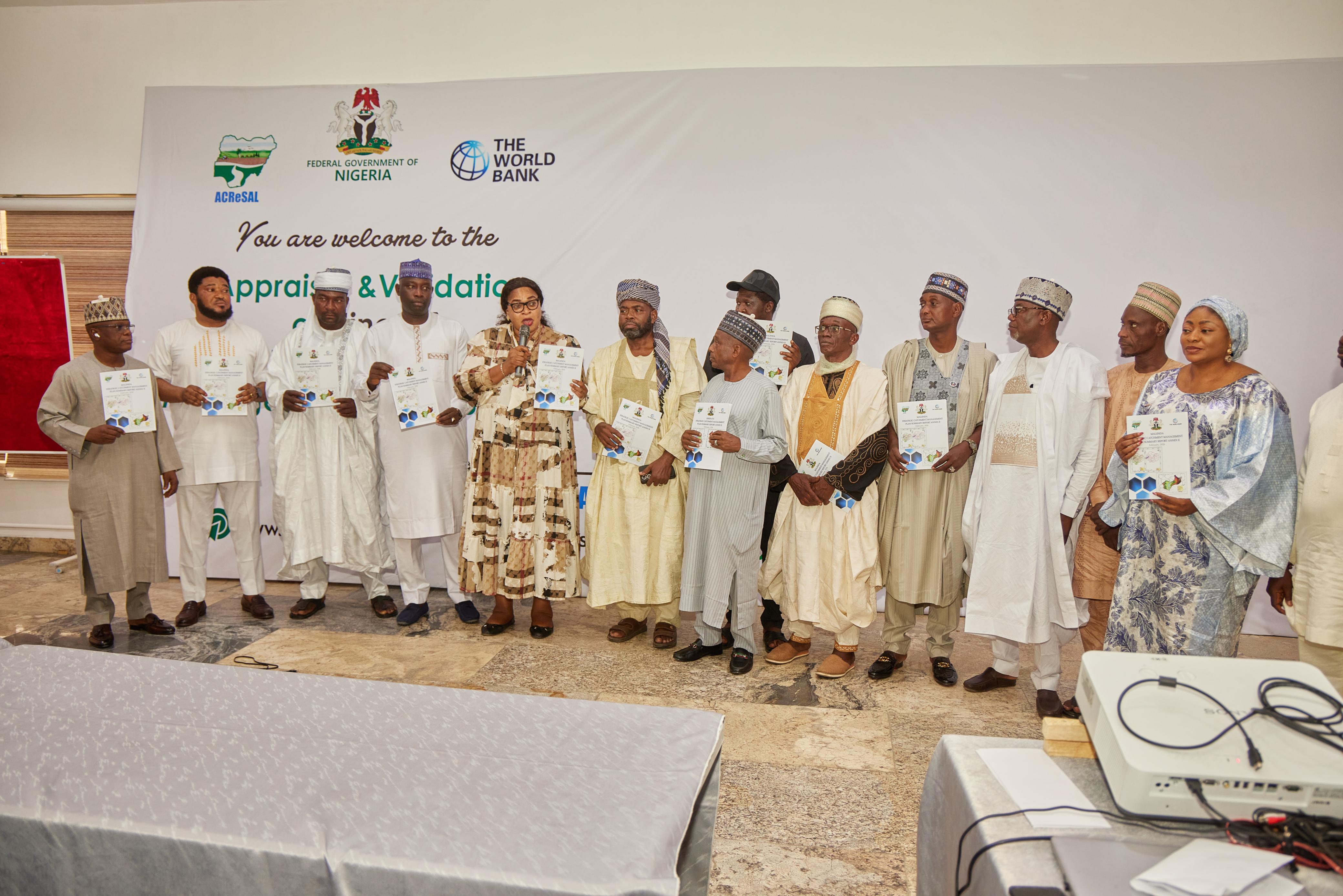
This achievement completes a comprehensive suite of 20 strategic blueprints designed to rescue shrinking water bodies and restore degraded landscapes across 19 Northern States and the Federal Capital Territory. Following the prior successful validation of 11 plans, this most recent technical workshop in Abuja—focused on the validation of the final nine SCMPs—serves as the closing chapter of the strategic design phase, as the Federal Government of Nigeria shifts into full-scale implementation of these vital catchment management plans.
While the ACReSAL project is a time-bound initiative set to conclude in 2028, these 20 SCMPs are designed as living documents—permanent roadmaps that will guide Nigeria’s natural resource management and landscape stewardship for decades to come.
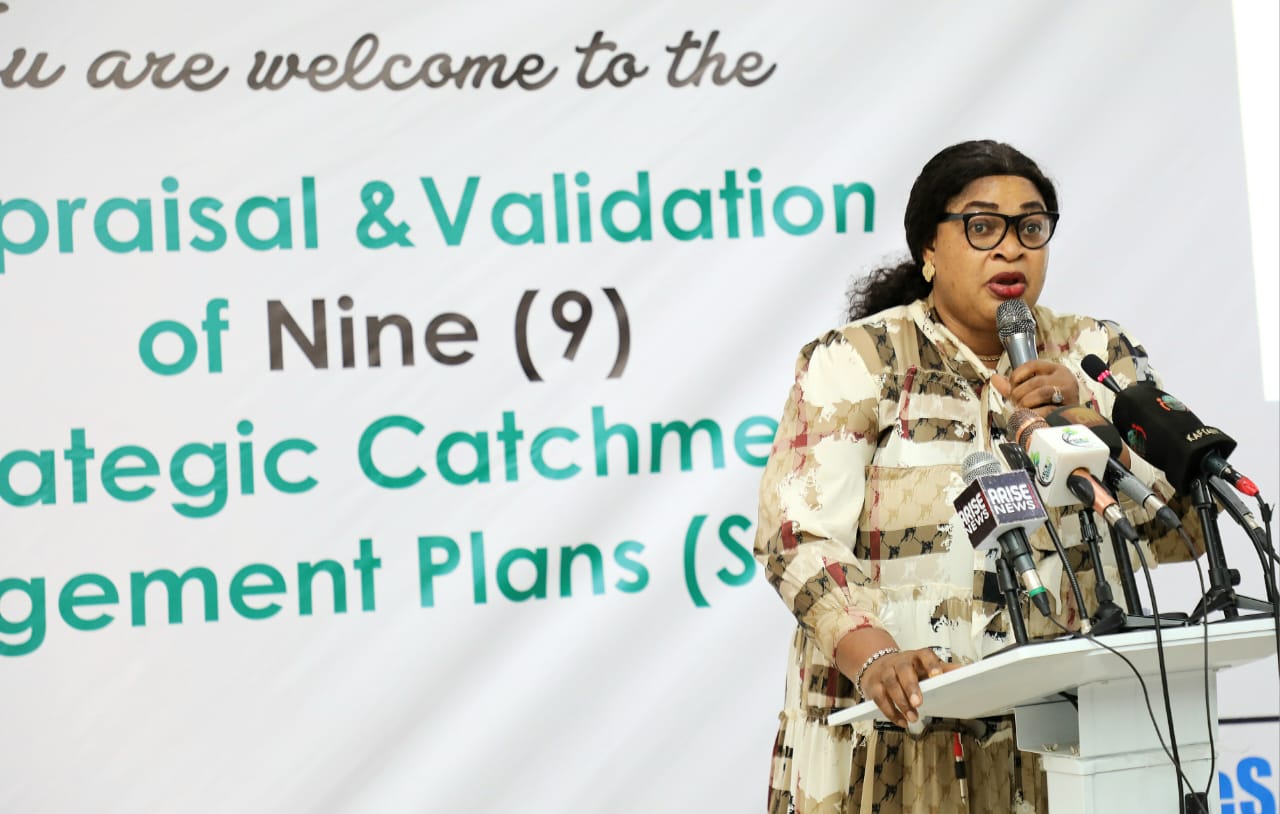
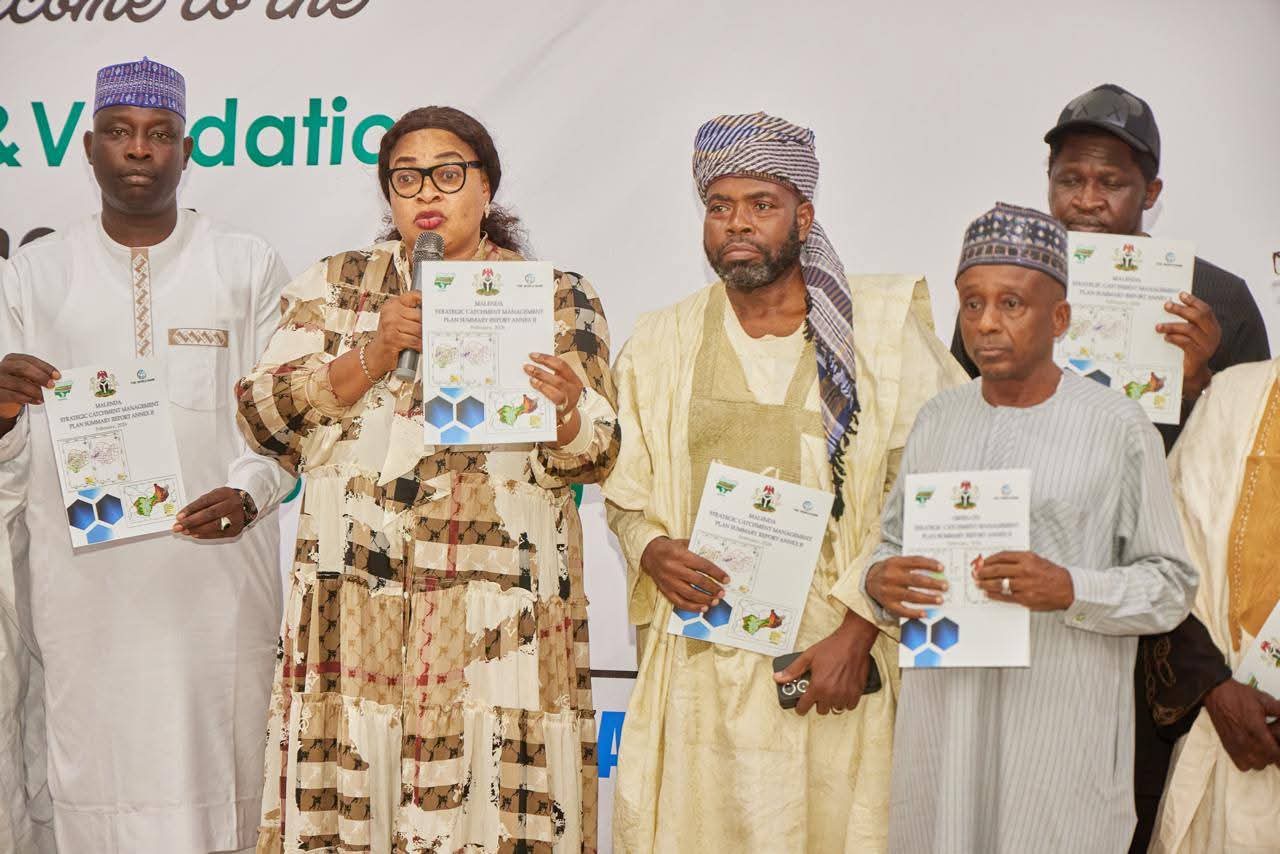
Speaking at the presentation and validation workshop, the Honorable Minister of Water Resources and Sanitation, Engr. Prof. Joseph Terlumun Utsev—represented by the Director of Hydrology, Engr. Mrs. Ngozi Abohwo—emphasized that the completion of the full 20-plan set is central to the nation’s environmental security. He noted that communities across the northern region continue to face escalating pressures that threaten food security. The Minister stated that these Strategic Catchment Management Plans are at the heart of the government’s efforts, providing a scientific framework for integrated action and resource coordination across all sectors that transcends the project lifecycle.
The SCMPs serve as the technical “central nervous system” for the nation’s landscape restoration strategy. While the first 11 plans laid the initial foundation, the final nine catchments addressed in this phase including Malenda, Gurara-Gbako, and Hawul-Kilange among others underwent rigorous scrutiny to ensure they reflect the specific environmental and social challenges of their respective regions. This two-phased approach ensures that every watershed under the government’s mandate is governed by a data-driven, community-vetted roadmap, ready for immediate and sustained field execution.
World Bank Senior Environmental Specialist and Task Team Leader, Dr. Joy Agene, described the gathering as a cornerstone for ecological stability. She noted that as climate change intensifies pressure on water systems, Nigeria’s completed 20-plan strategy must remain inclusive and forward-looking. Effective catchment management, according to Agene, is not only a technical endeavor but a cornerstone for resilient livelihoods. She reaffirmed the World Bank’s commitment to supporting the Federal Government as these specific plans move from paper to on-the-ground implementation.
National Project Coordinator, Mr. Abdulhamid Umar, highlighted that the project is already delivering results that exceed expectations, with 1,027,000 hectares of land currently under restoration and 9.3 million direct beneficiaries recorded.
He explained that with the final nine plans now validated, the Federal Government has a complete investment guide for tree planting, climate-smart agriculture, and “quick-win” actions. Umar added that these 20 Strategic Catchment Management Plans are the roadmap to restore watersheds and protect the environment for generations, noting that the government is now fully armed with the data required for the next phase of physical investment and long-term maintenance.
To ensure the long-term sustainability of these interventions, the workshop prioritized local ownership. Mr. Chuka Ofodile, Managing Director of Mecon Engineering and Services Ltd, explained that validation is the bridge between technical design and community acceptance. He stressed that validation is ownership and that the essence is for everybody within that catchment to take ownership so as to sustain the development of the interventions, emphasizing that these 20 catchments represent the economic future of the regions they encompass.
With the conclusion of this final validation phase, the Federal Government has successfully unified the Ministries of Environment, Water Resources, Agriculture and all stakeholders under a single, permanent roadmap for landscape stewardship. By completing the full set of 20 strategic blueprints, Nigeria has established the precision and unity required to build a resilient, green, and prosperous future through the full-scale implementation of these management plans.
Jane Ozuruoke mnipr
Head, Press and Public Relations, ACReSAL
-
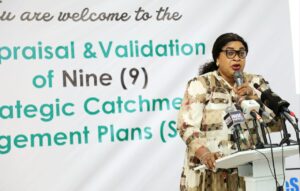
- The Honorable Minister of Water Resources and Sanitation, Engr. Prof. Joseph Terlumun Utsev, represented by the Director of Hydrology, Engr. Mrs. Ngozi Abohwo