Nigeria Moves Toward ‘One Land, One Plan’: ACReSAL Backs National Integrated Landscape Management Policy
Abuja, Nigeria- Nigeria is taking a major step toward transforming how it manages land, agriculture, forests, water resources and climate resilience, with the emergence of a proposal for a National Integrated Landscape Management (ILM) Policy aimed at ending decades of fragmented land governance and restoring productivity across the country.
The concept, which is being championed through lessons generated under the Agro-Climatic Resilience in Semi-Arid Landscapes (ACReSAL) programme, seeks to build on the Integrated Landscape Management policies already being institutionalized across the 19 ACReSAL states and the Federal Capital Territory.
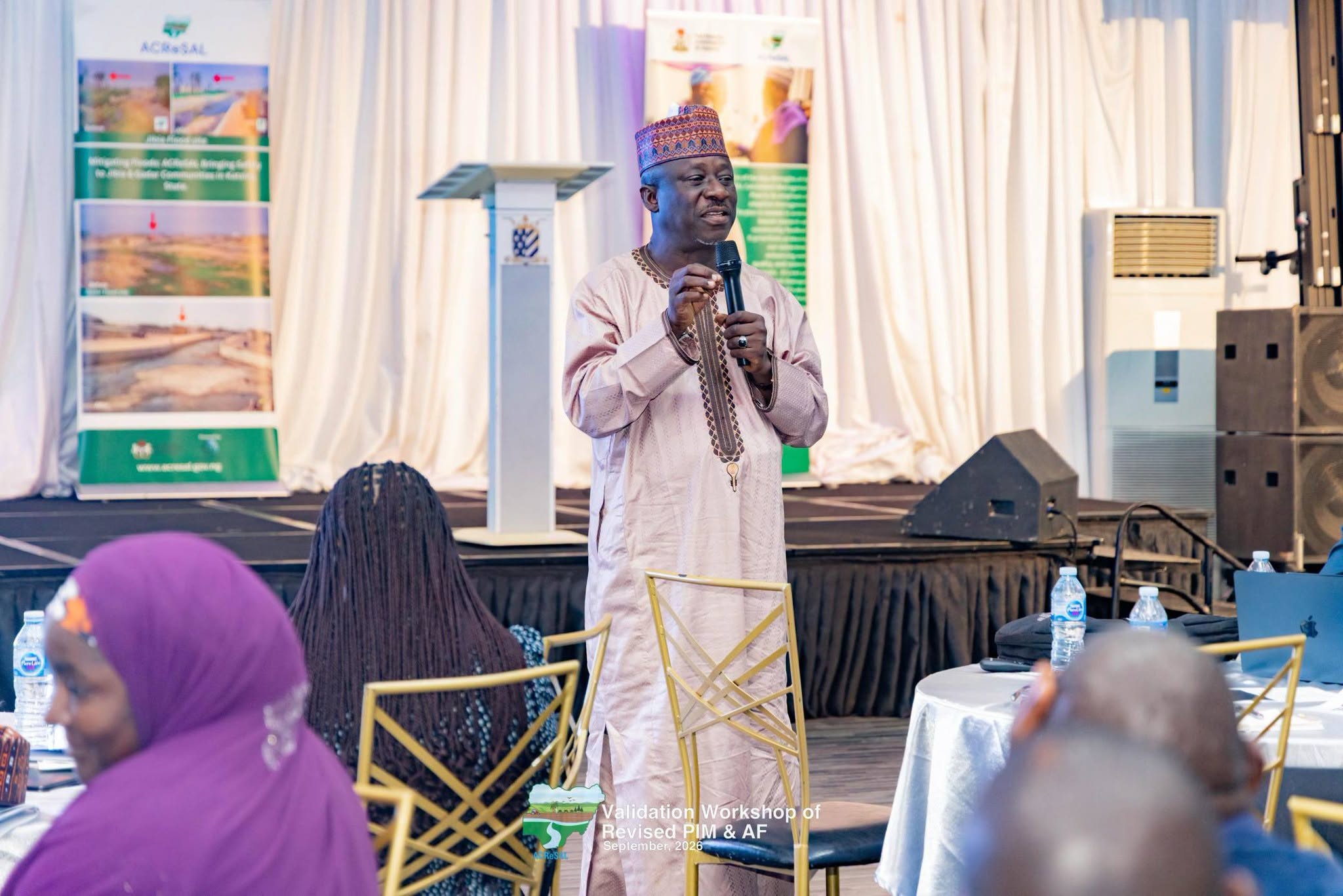
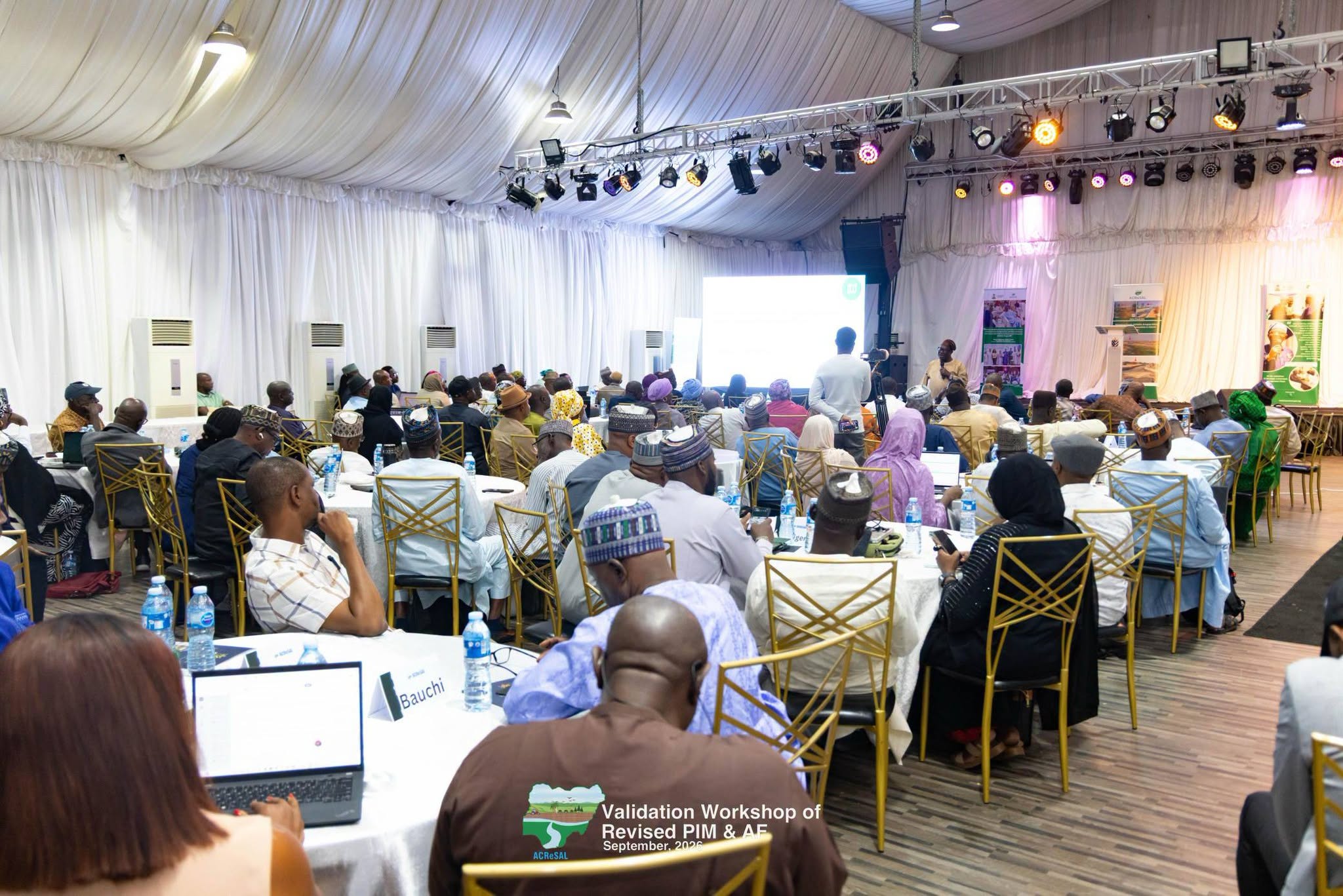
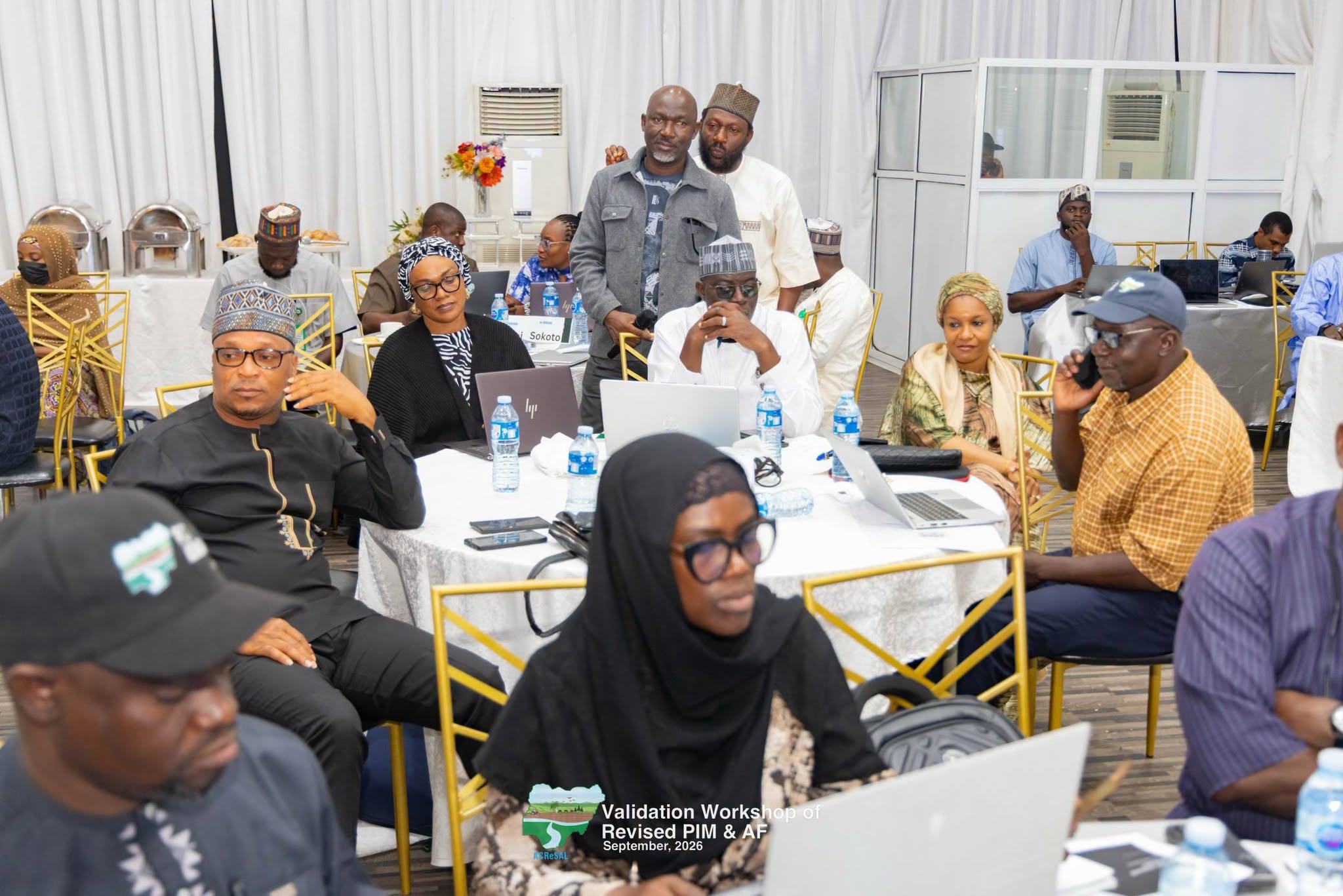
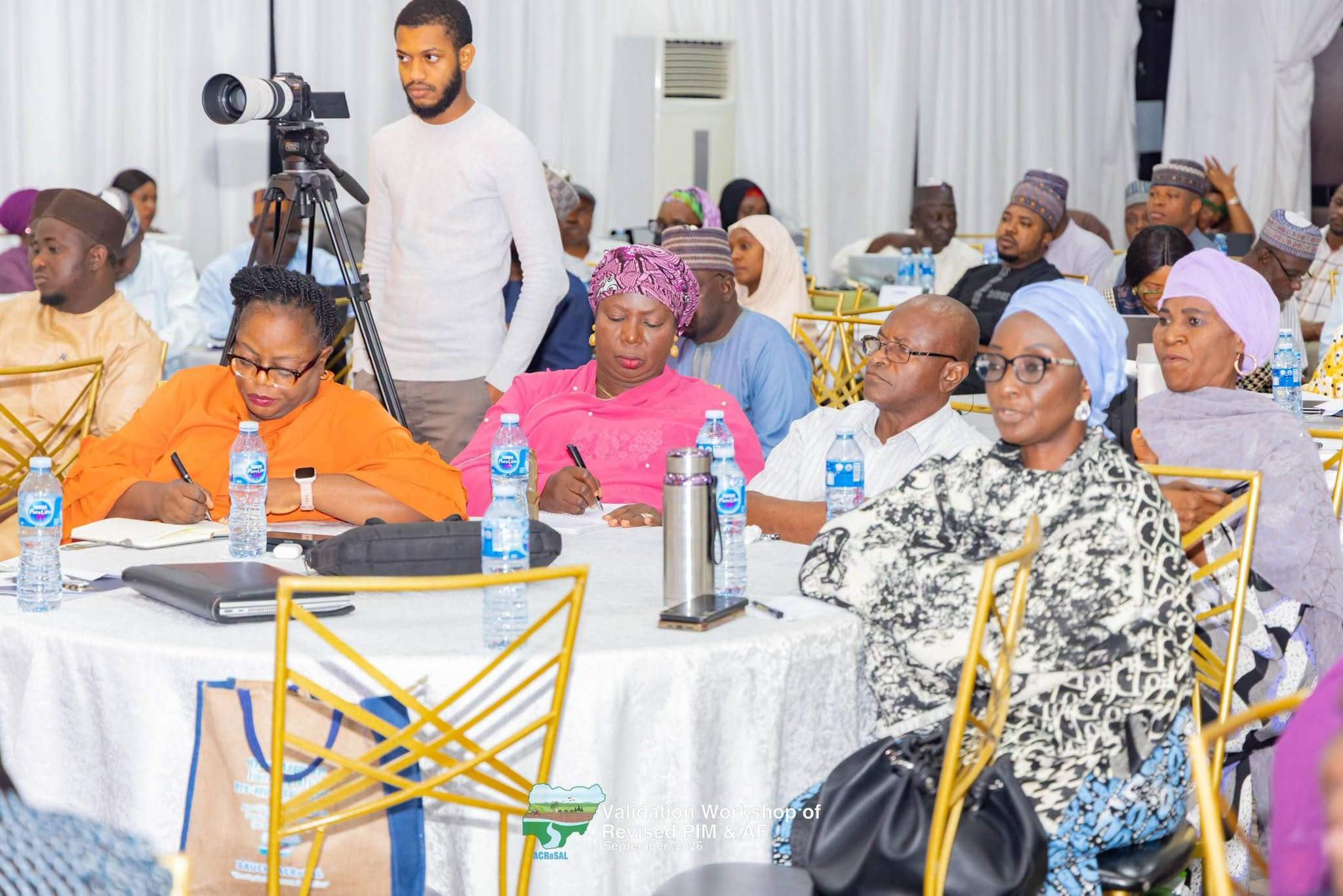
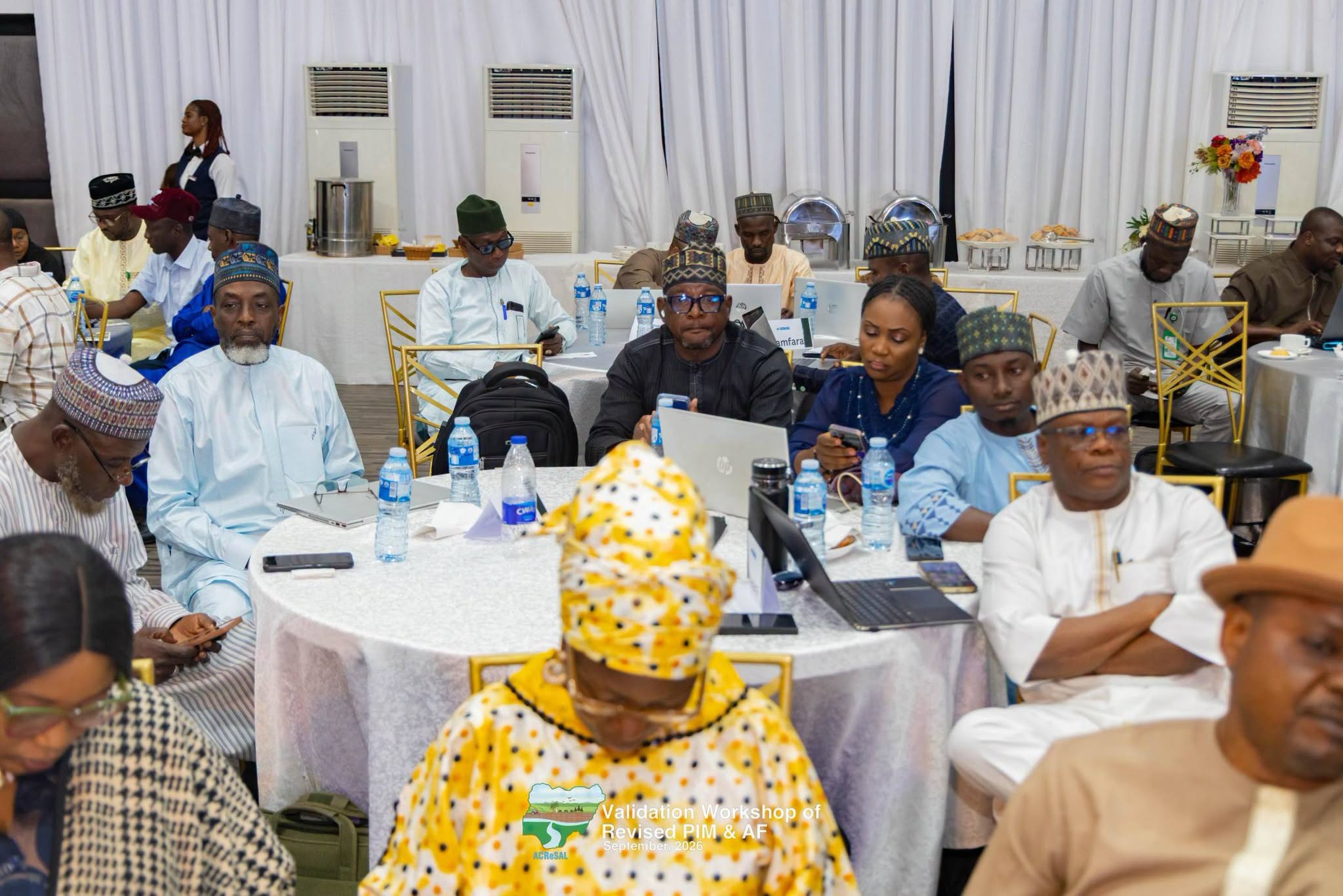
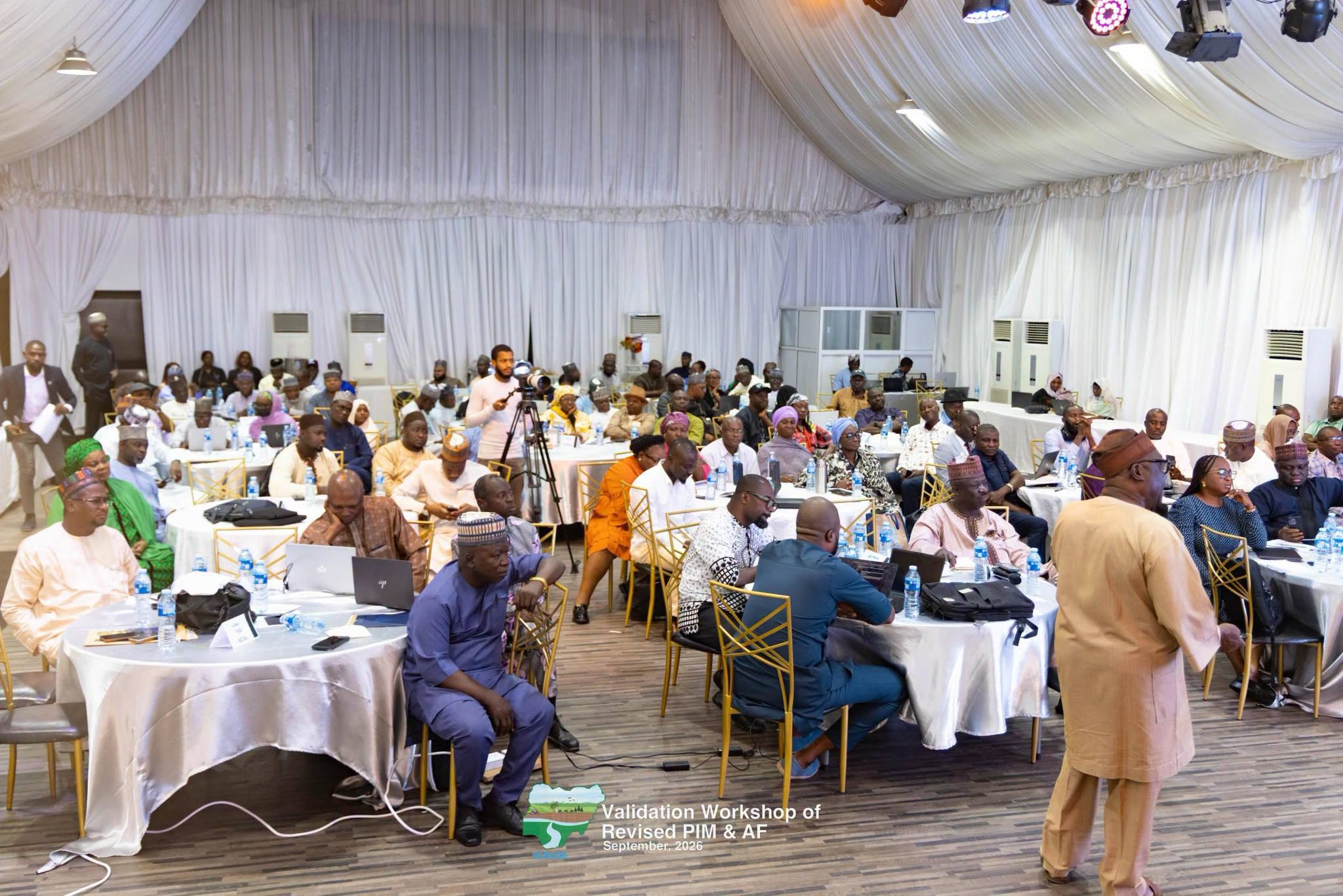
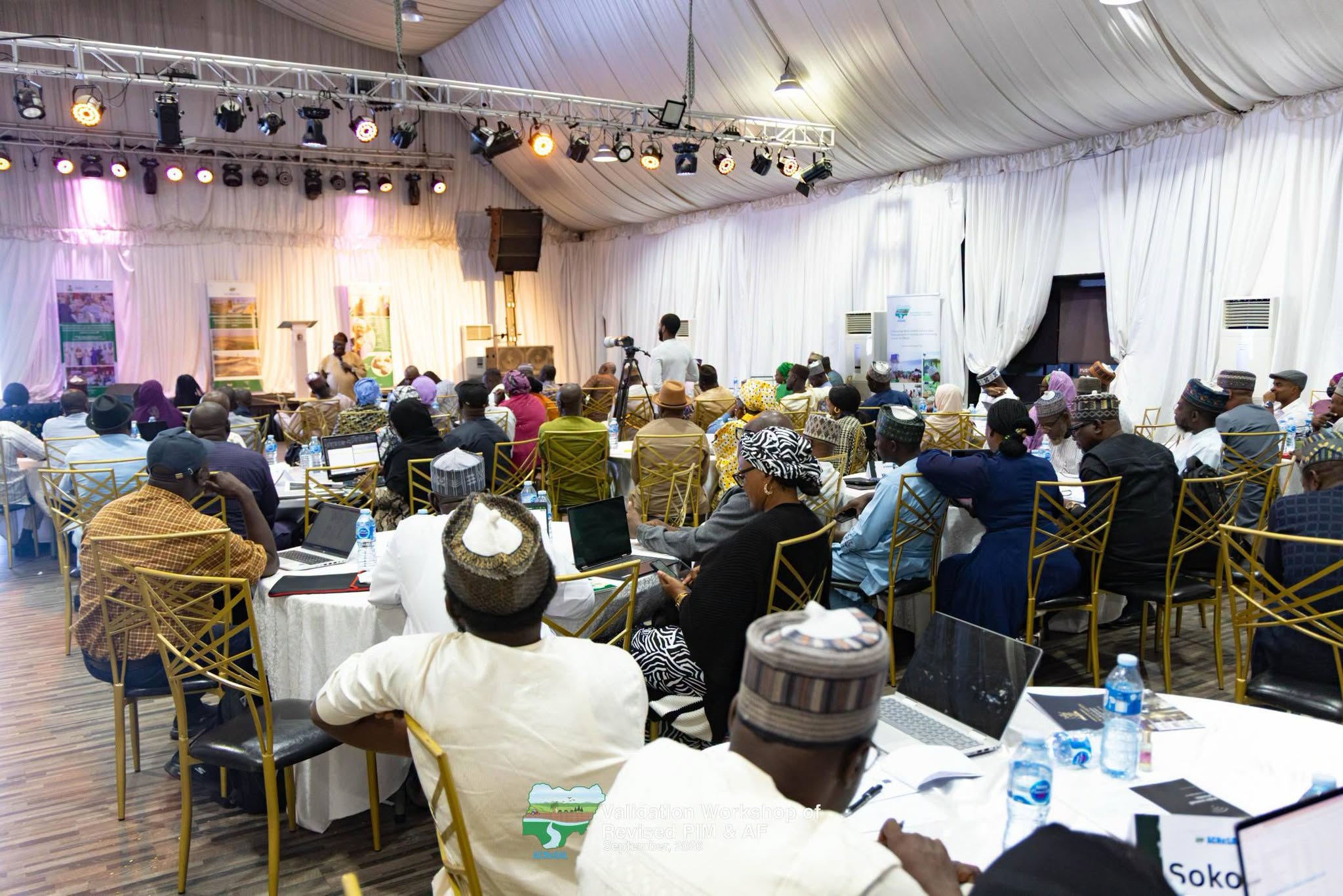
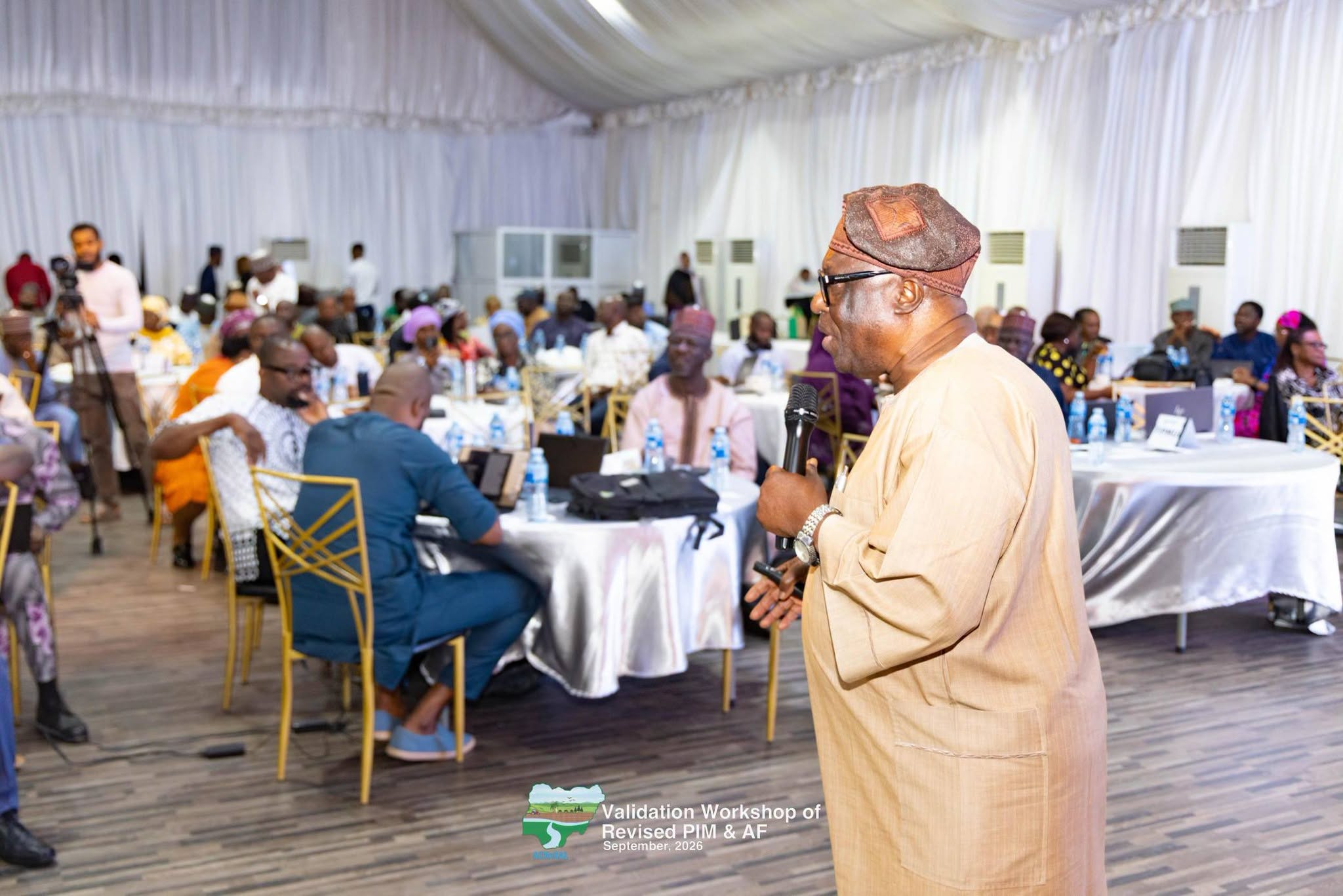
Oladipo Emmanuel PhD, Expert presenting the proposal during the ACReSAL Additional Financial (AF) PIM validation workshop in Abuja, argue that Nigeria’s environmental and food security challenges are not caused by a lack of resources, but by a lack of coordination.
For decades, agriculture, water resources, environment and rural development agencies have often operated independently despite working on the same physical landscapes. The result has been declining land productivity, ecosystem degradation, recurring conflicts over land and water, and missed economic opportunities.
Why a National ILM Policy
Supporters of the policy say Nigeria’s current approach treats connected problems as separate issues.
A farmer may receive support to increase production, yet lack access to irrigation, storage facilities, market infrastructure or environmental safeguards. Similarly, efforts to combat desertification, flooding and biodiversity loss are frequently implemented through isolated projects with limited coordination among institutions.
The proposed policy is designed to address this challenge by creating a national framework that aligns decision-making across sectors and levels of government.
According to the concept note, landscapes, watersheds, forests and climatic systems do not respect state boundaries, making state-level interventions alone insufficient to achieve lasting results.
“Nature does not recognize ministry boundaries or state boundaries,” a key principle underlying the proposal suggests. “Effective land restoration requires institutions to work together across those boundaries.”
Building on Existing Successes
The initiative is not starting from scratch.
Several states have already taken significant steps toward institutionalizing Integrated Landscape Management. Benue and Nasarawa states have enacted ILM-related legislation, while Taraba has established a dedicated ILM agency. These experiences are expected to provide valuable lessons for a national framework.
The proposed National ILM Policy would consolidate and harmonize these state-level efforts while establishing clear institutional responsibilities at the federal level.
Supporting Nigeria’s Climate and Development Commitments
Policy advocates say the initiative could become one of Nigeria’s most important tools for delivering on its climate and environmental commitments.
The concept note highlights alignment with Nigeria’s Nationally Determined Contributions (NDC 3.0), Long-Term Low Emissions Development Strategy (LT-LEDS), Land Degradation Neutrality targets, AFR100 commitments, the Bonn Challenge and the Great Green Wall initiative.
Rather than treating climate, biodiversity and food security as separate agendas, the policy would integrate them within a single land management framework.
Legislation at the Centre of the Plan
One of the most significant features of the proposal is its emphasis on legal backing.
The overall objective is to develop, validate and institutionalize a National Integrated Landscape Management Policy through legislation, ensuring that landscape restoration efforts continue beyond donor-funded projects and changes in political administration.
The proposed legislative pathway includes executive policy approval, drafting of an enabling bill, passage by the National Assembly and eventual presidential assent. The Climate Change Act of 2021 has been identified as a potential model for the process.
A 30-Month Roadmap
The concept note outlines an eight-phase implementation process beginning with evidence review and stakeholder mapping, followed by zonal consultations, policy drafting, national validation and legislative development.
The full process is expected to take between 24 and 30 months, with institutional rollout occurring alongside legislative processes where possible.
The Federal Ministry of Environment has been proposed as the lead coordinating institution, supported by a National Technical Working Group and a high-level steering committee involving federal and state actors, civil society organizations and the private sector.
Financing the Future of Nigeria’s Landscapes
The estimated cost of developing and institutionalizing the policy ranges from US$760,000 to US$1.22 million, covering technical assistance, stakeholder consultations, legal support, communications, monitoring systems and institutional setup.
Potential funding sources include ACReSAL Additional Financing, federal budget allocations, development partners and international climate and biodiversity financing mechanisms.
Expected Impact
If implemented successfully, proponents believe the National ILM Policy could reduce institutional fragmentation, improve consistency across states, strengthen environmental governance and create a durable framework for managing Nigeria’s natural resources.
Beyond policy language and legislation, supporters argue that the initiative is ultimately about restoring productivity to Nigeria’s landscapes, strengthening livelihoods and ensuring that environmental restoration translates into economic growth.
For many stakeholders, the proposal represents a simple but ambitious idea:
One land. One plan. One coordinated approach to managing Nigeria’s future.
Jane Ozuruoke mnipr
Communication Specialist
ACReSAL
30/09/2026
ACReSAL…greening the environment, saving lives