Nigeria’s ACReSAL Project Emerges as Global Model for Climate Resilience at Landmark Mid-Term Review in Kaduna
April 19, 2026
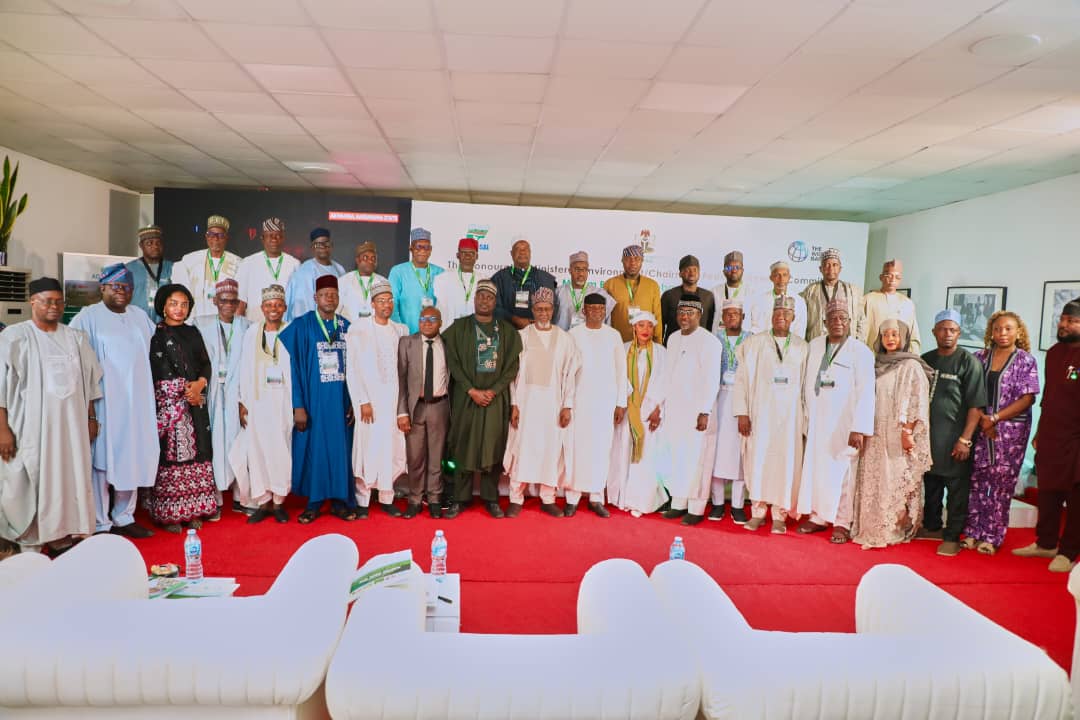
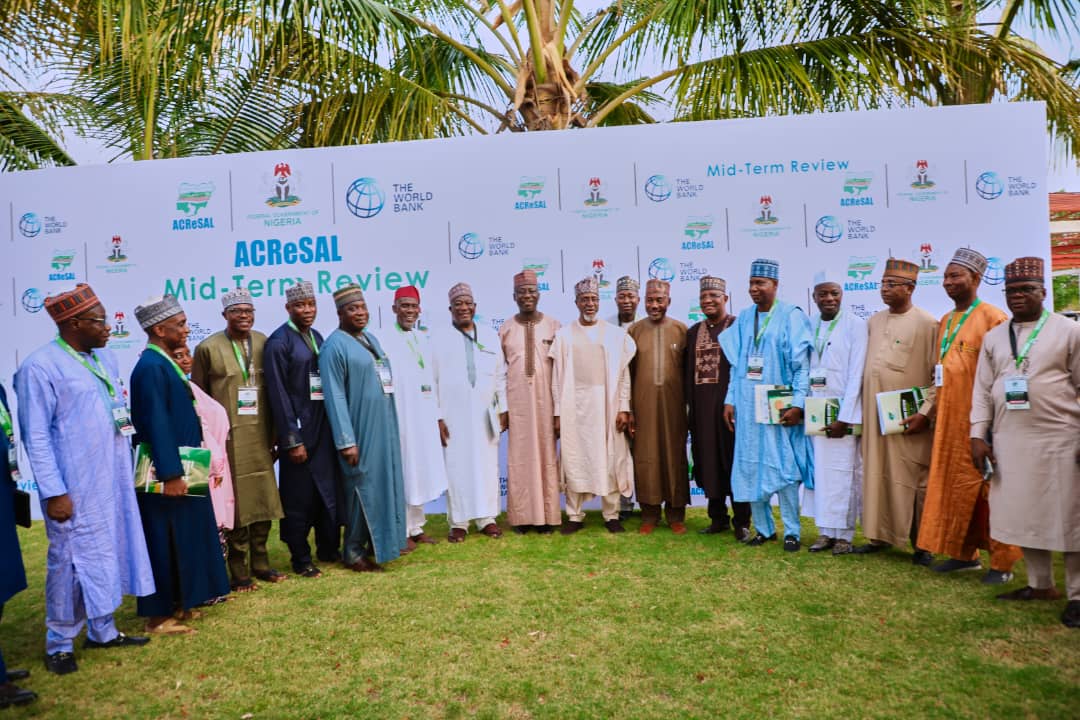
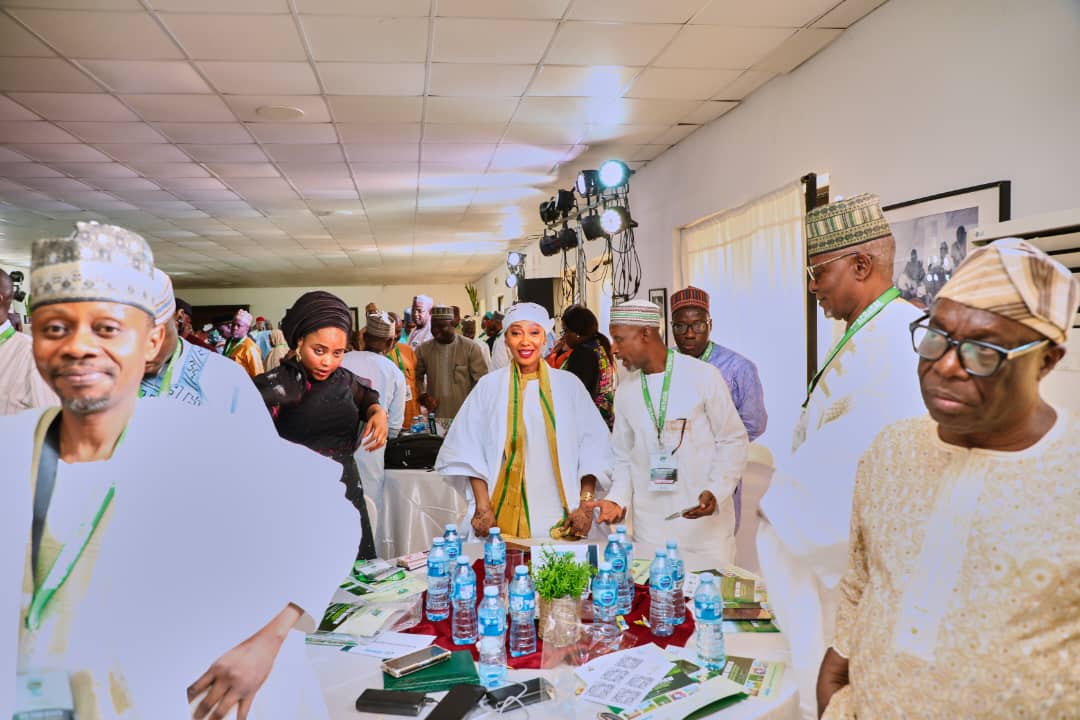
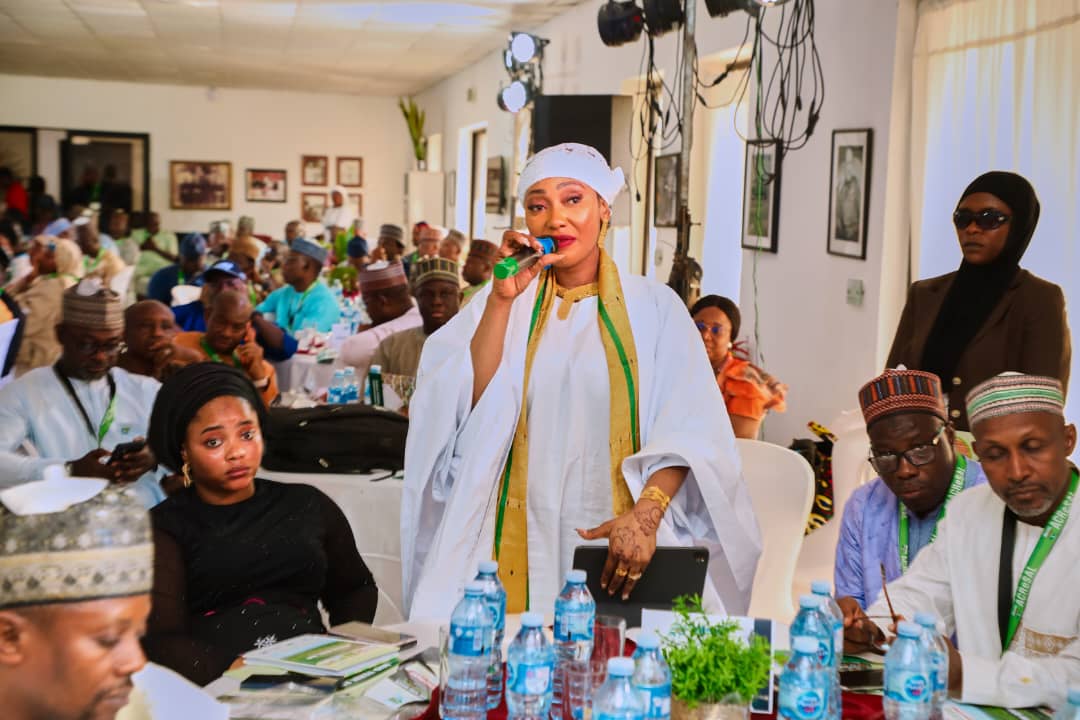
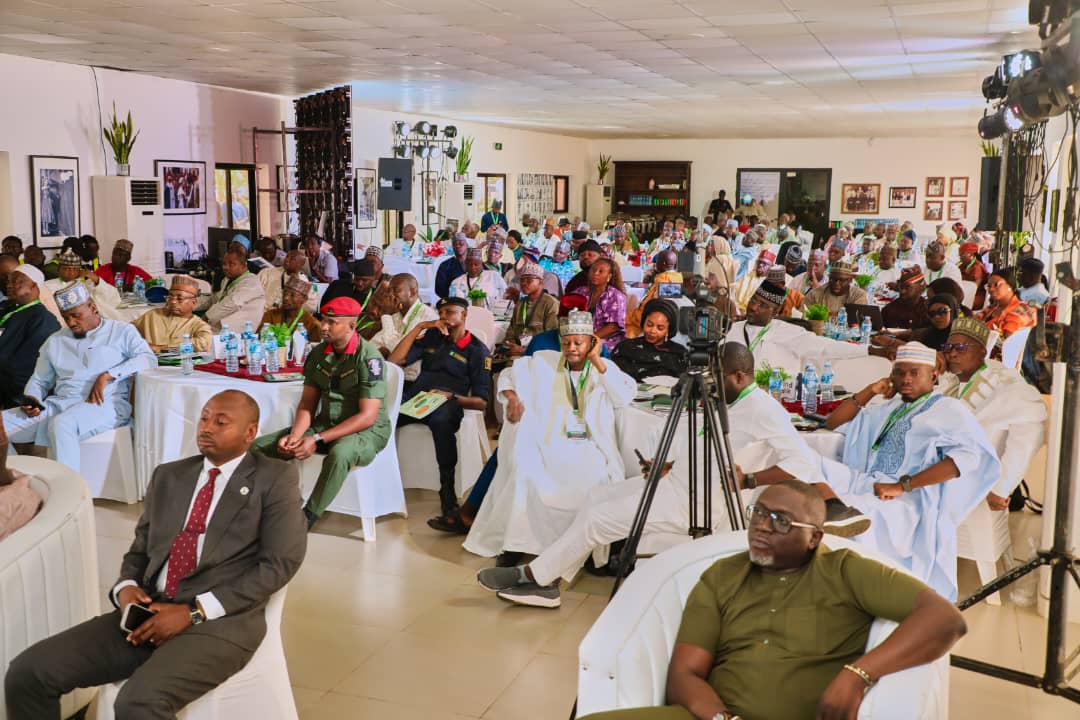
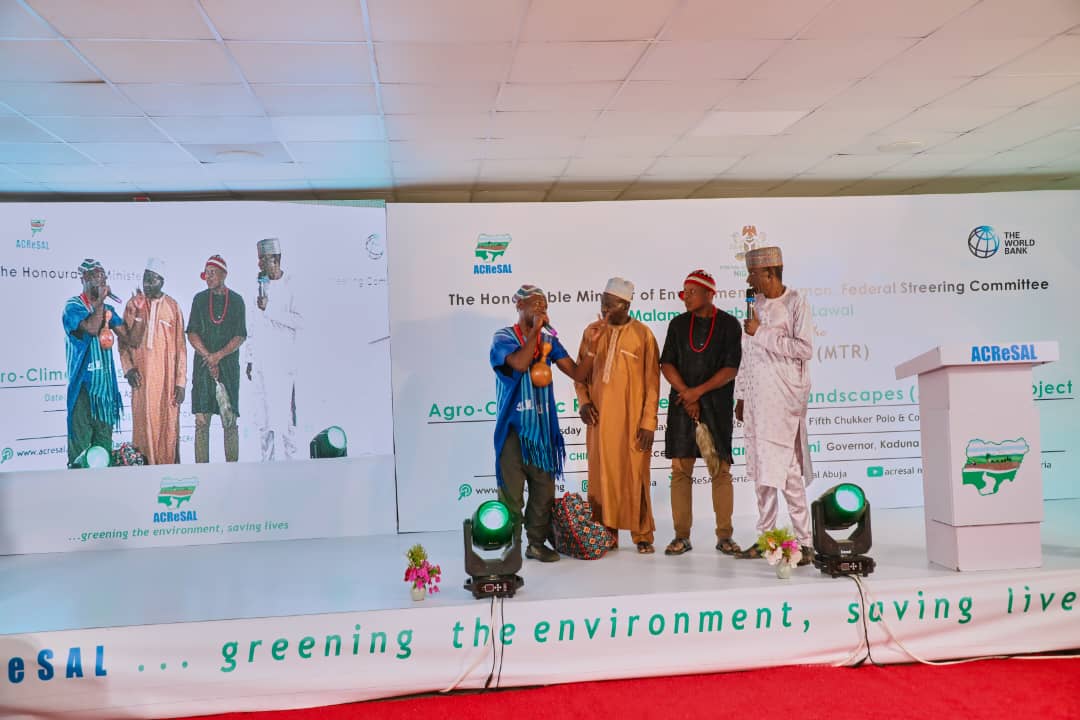
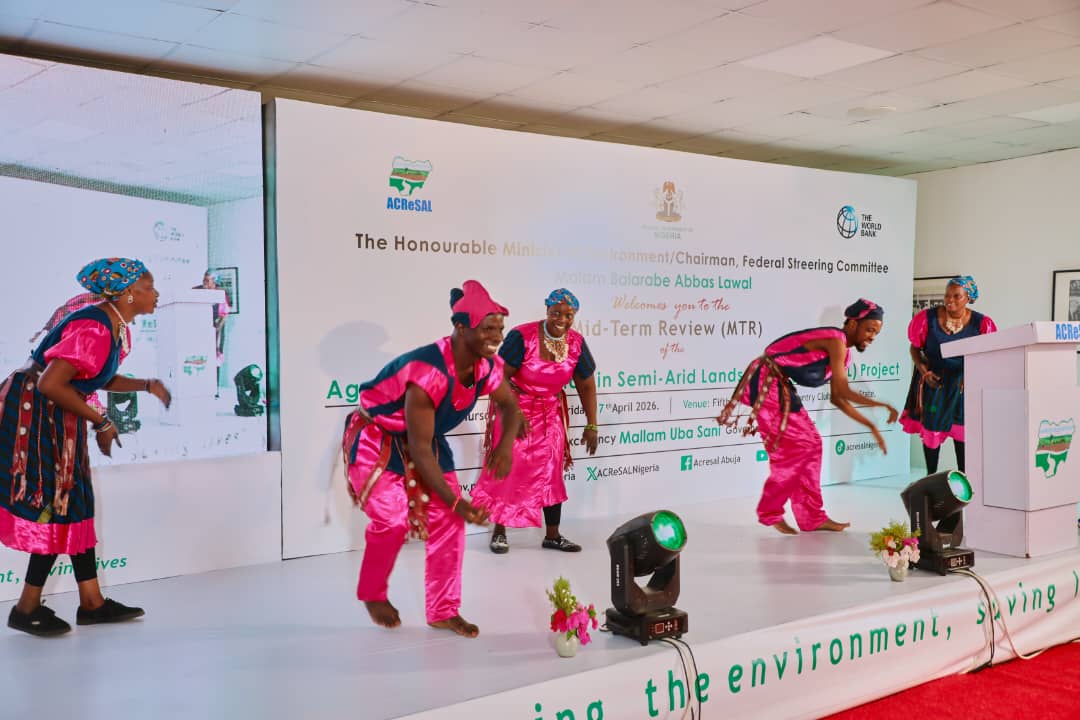
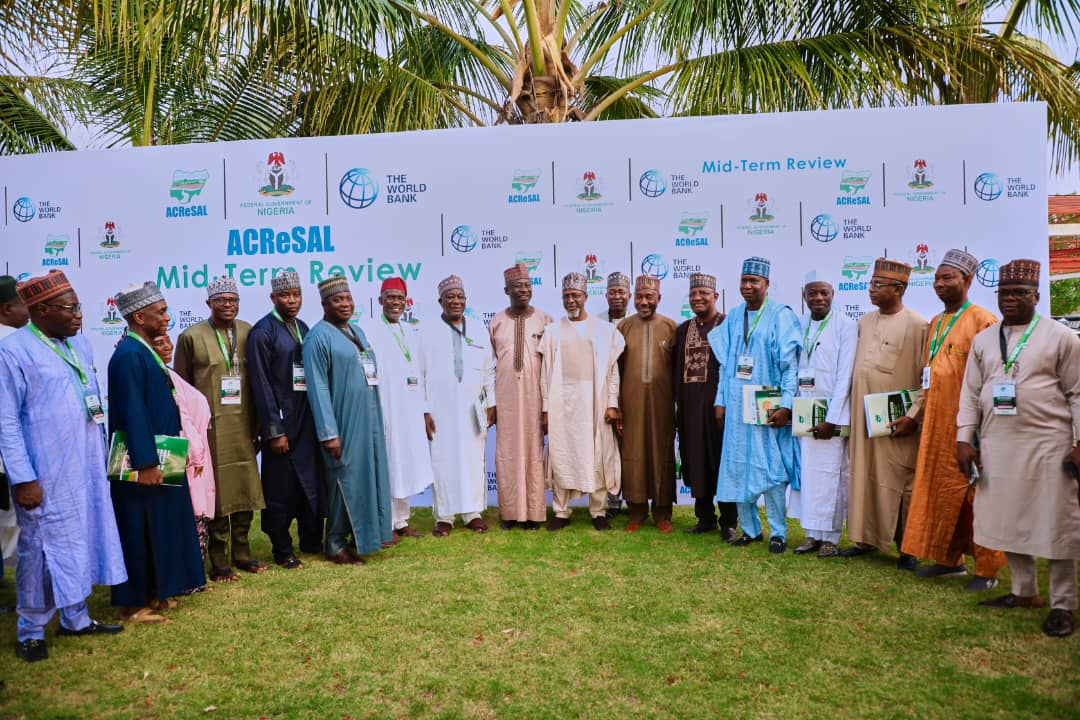
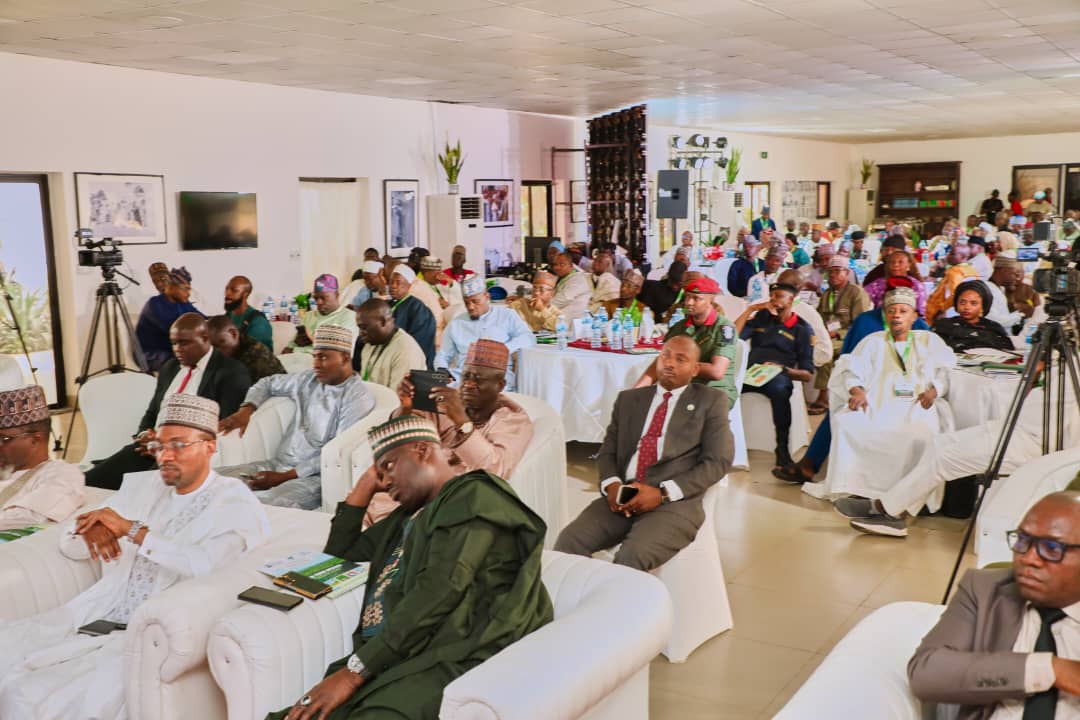
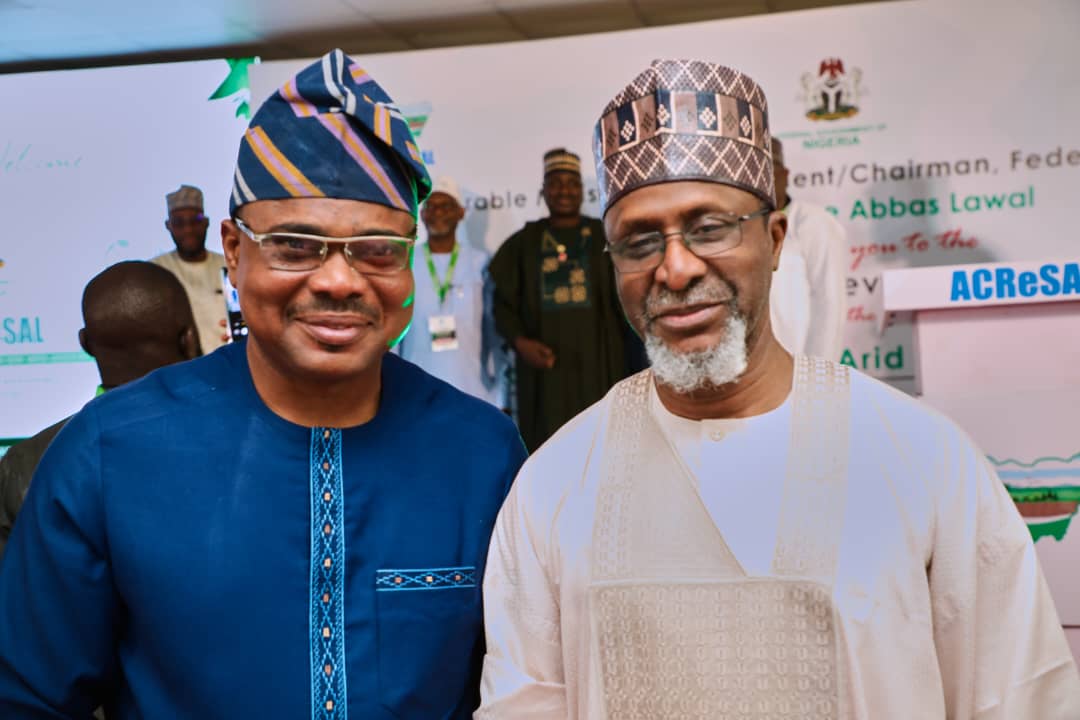
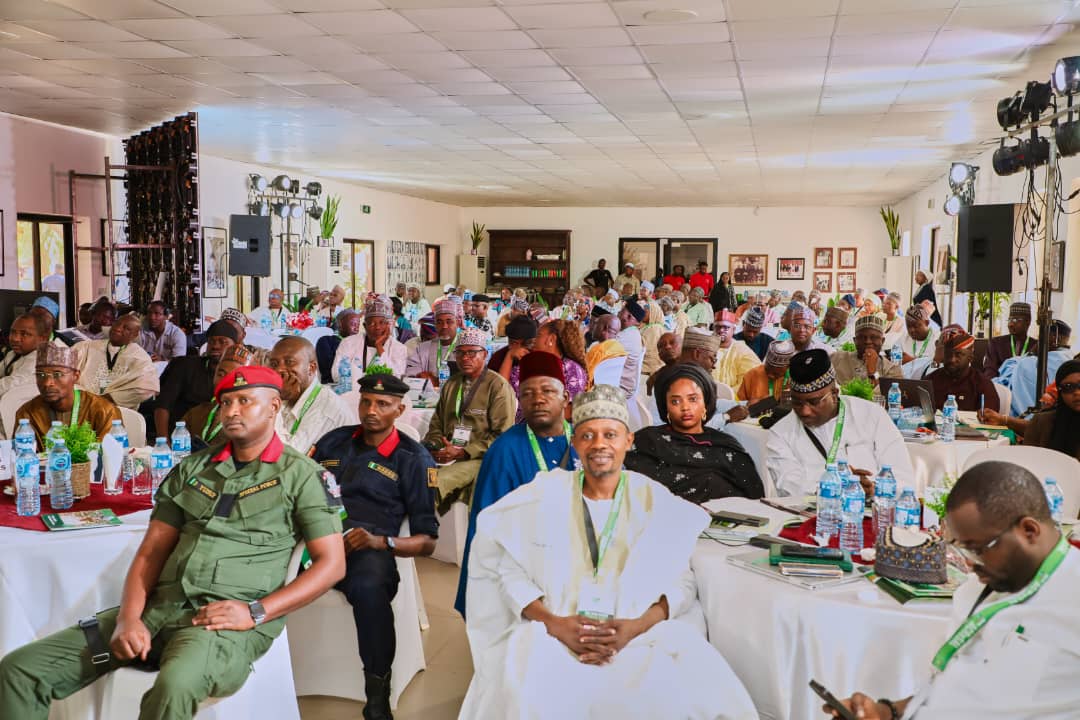
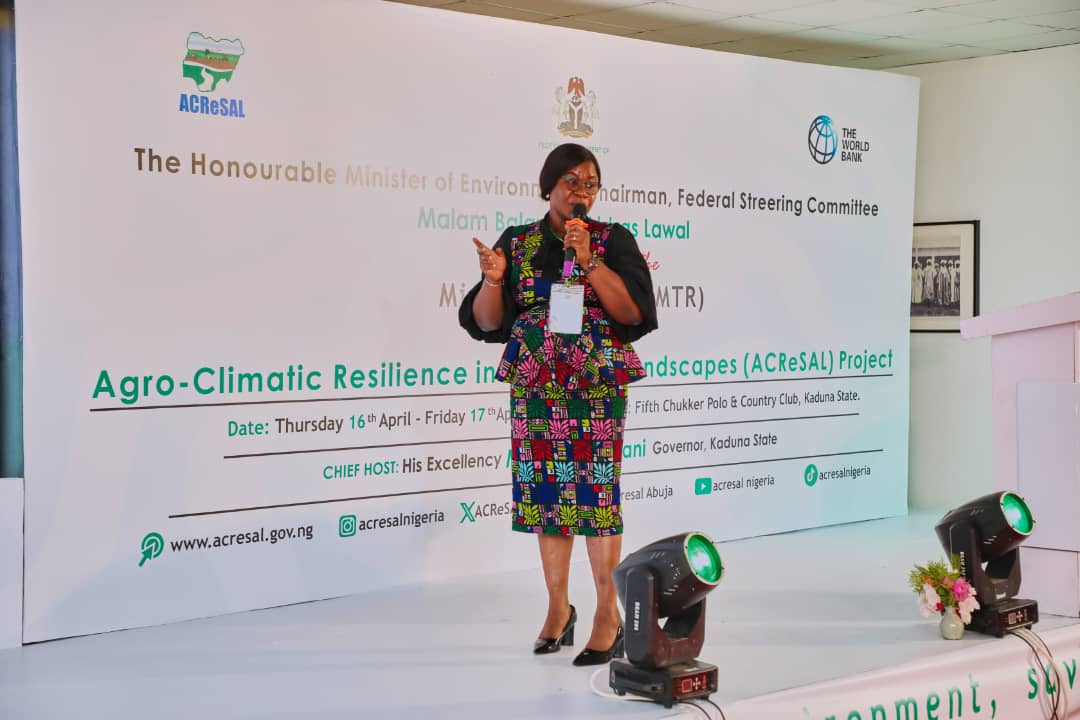
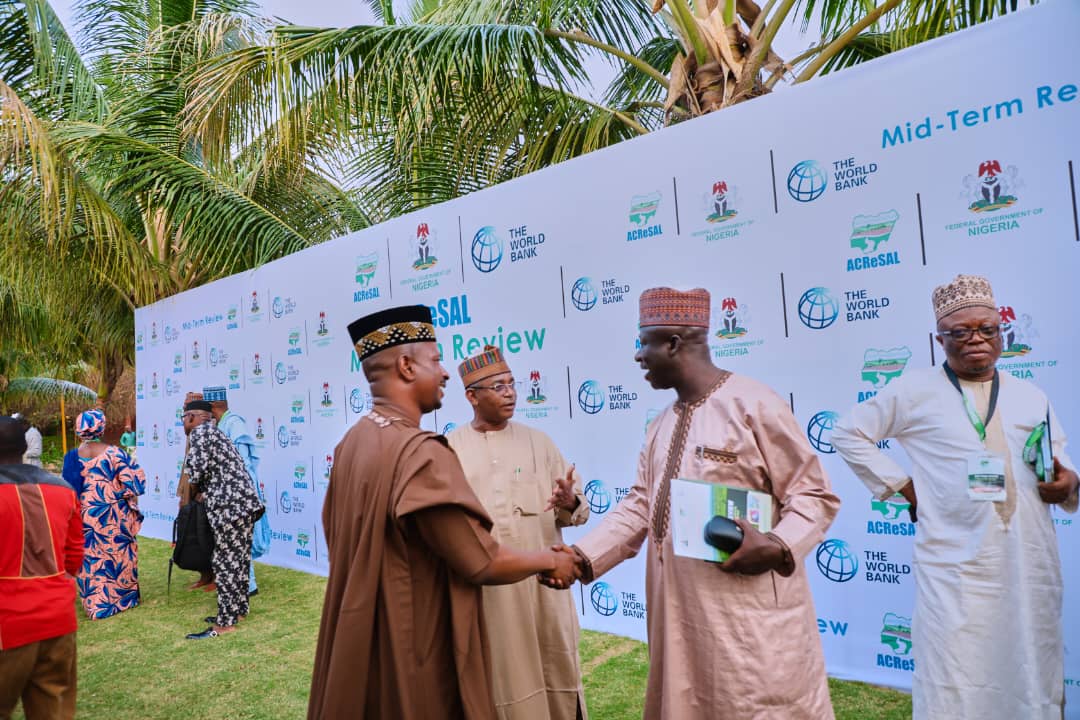
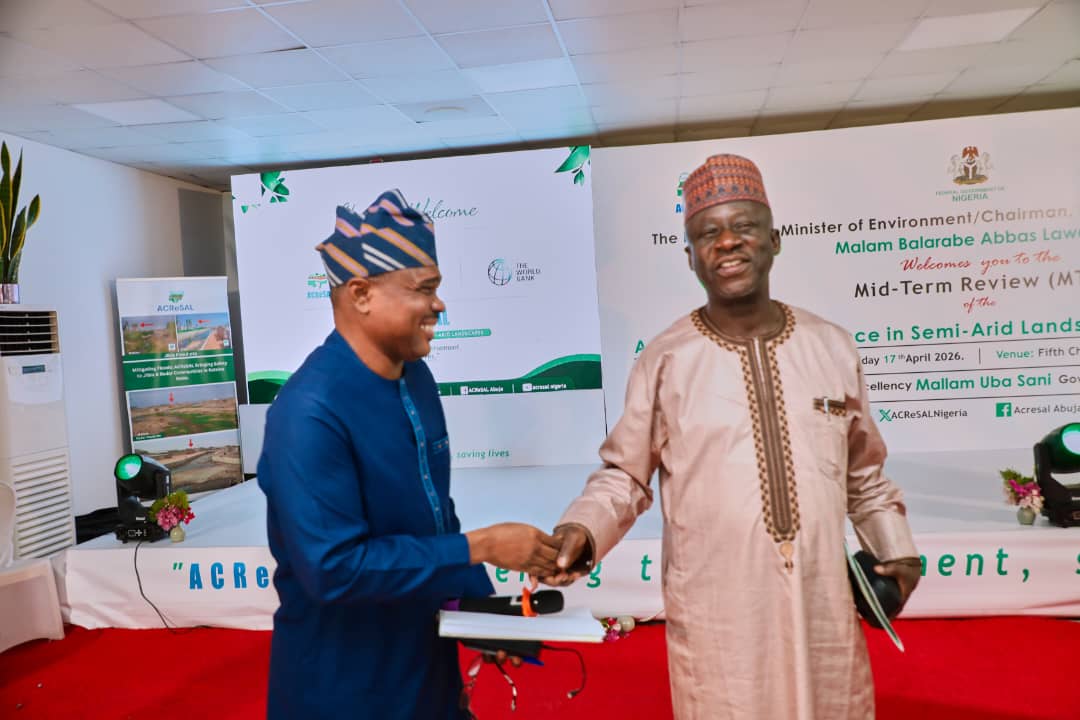
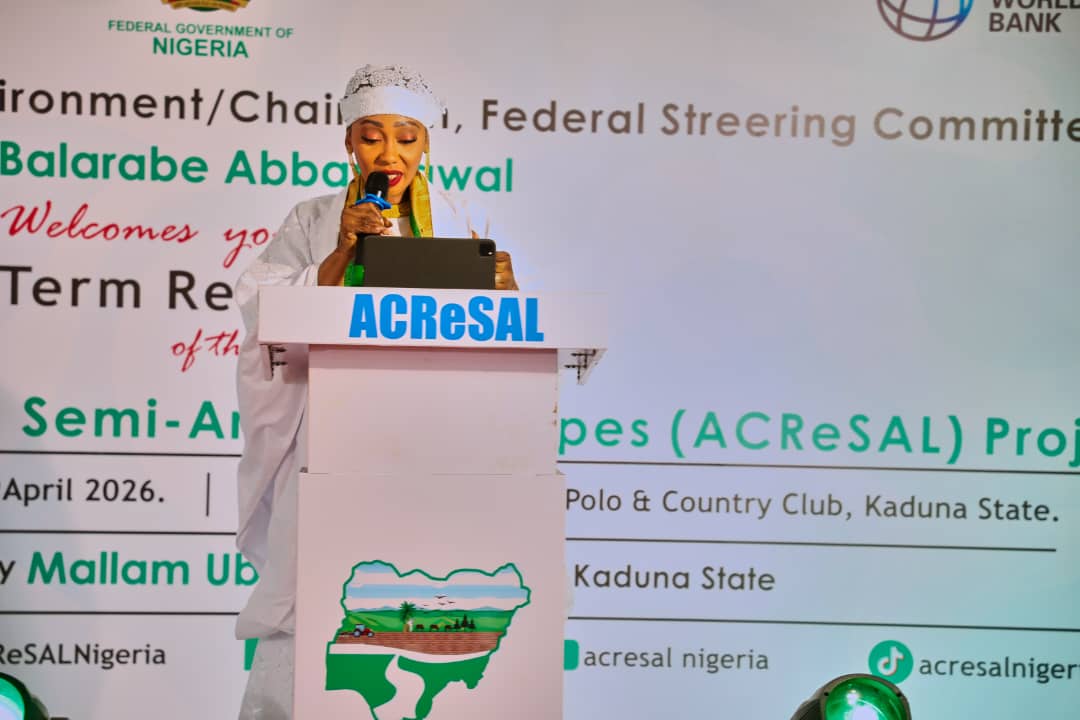
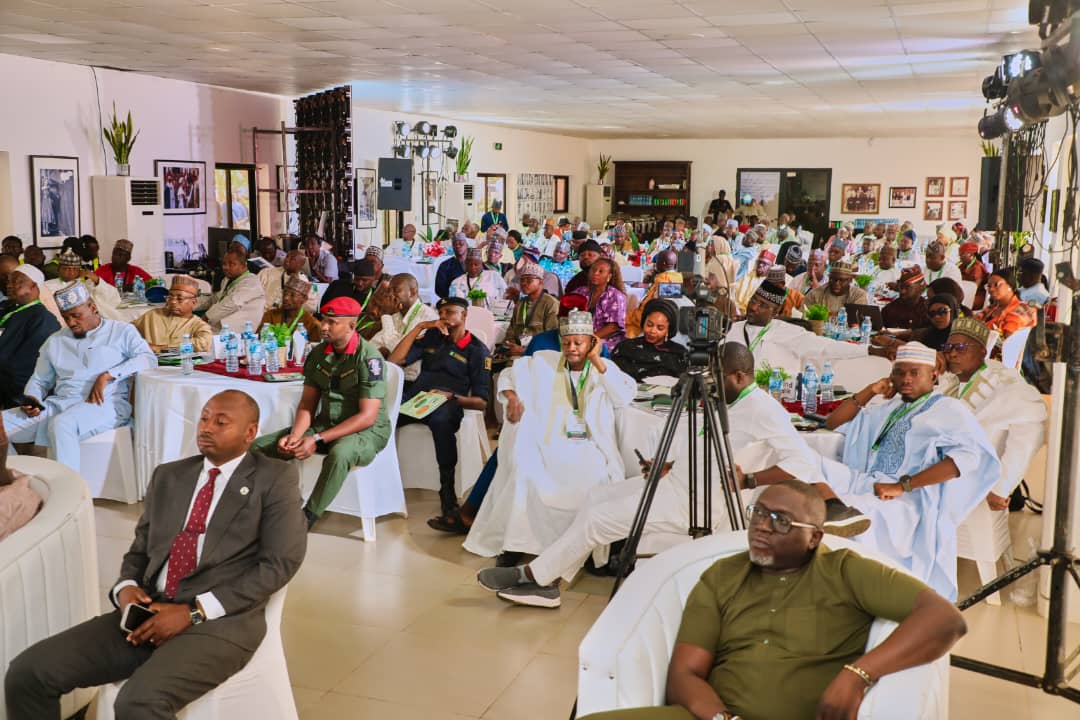
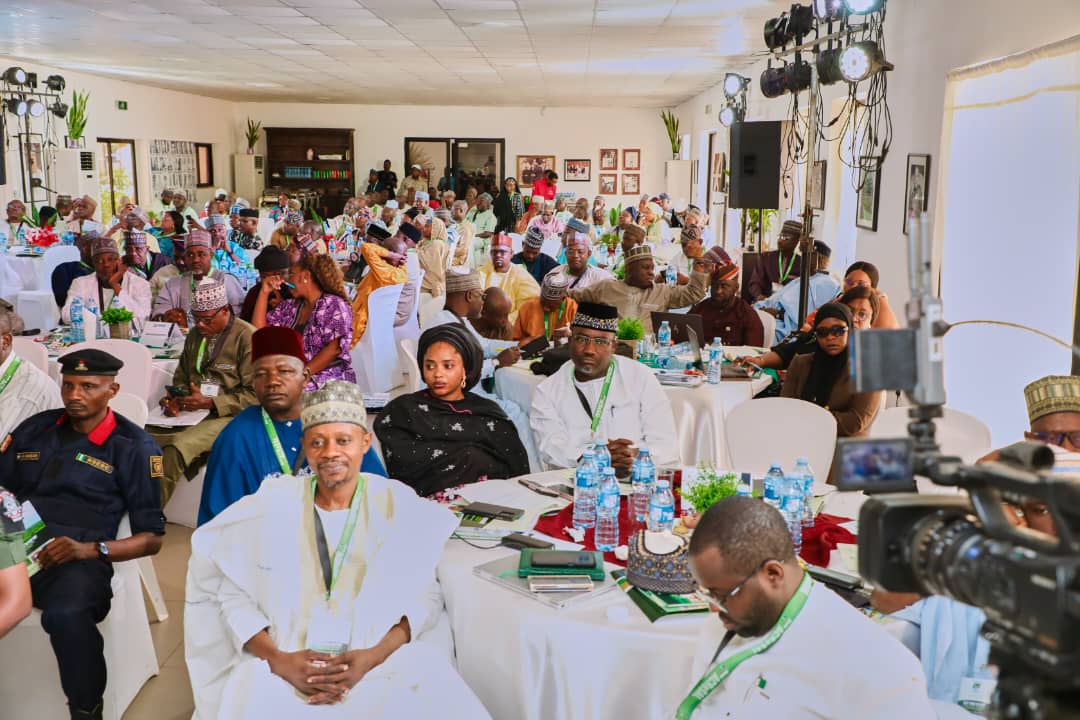
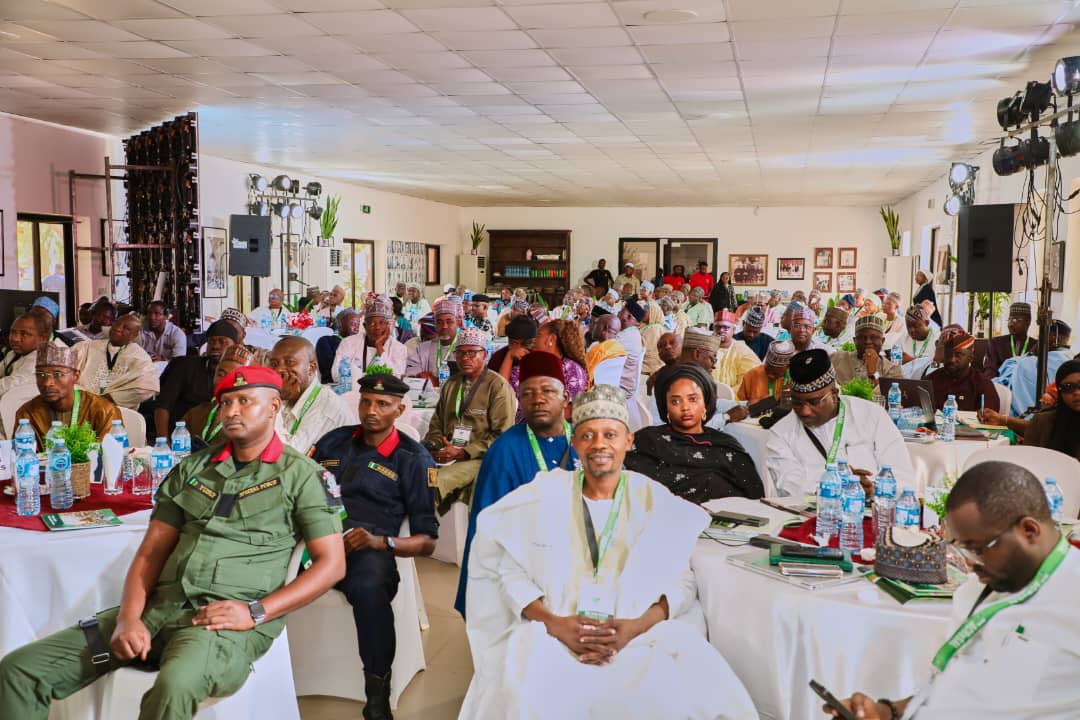
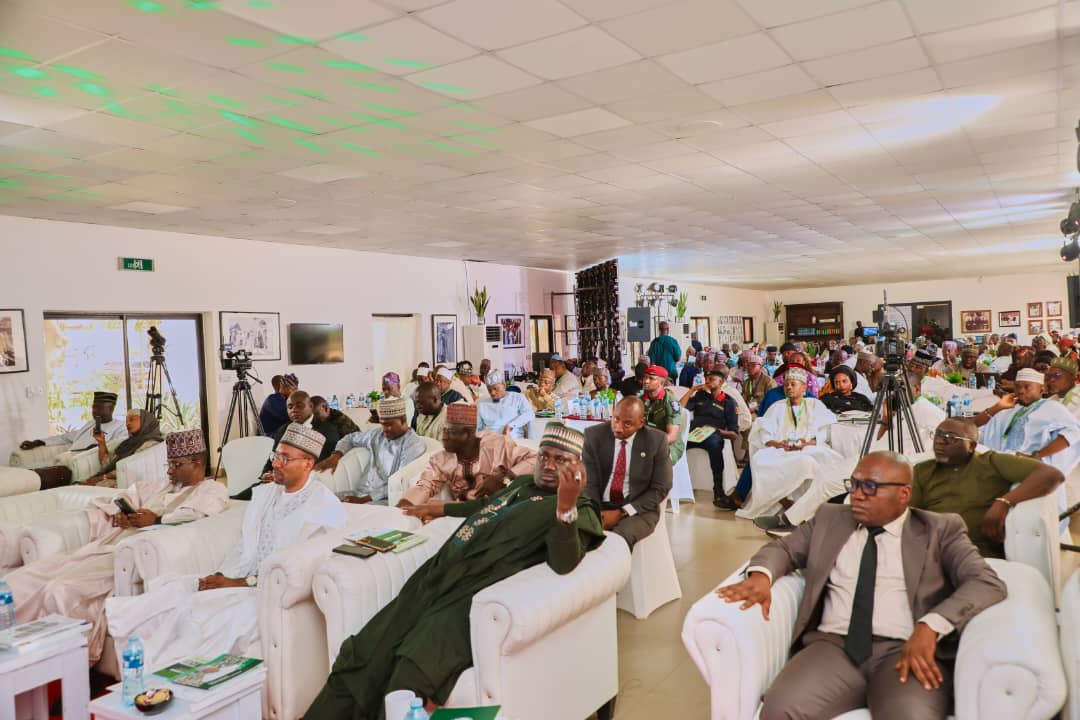
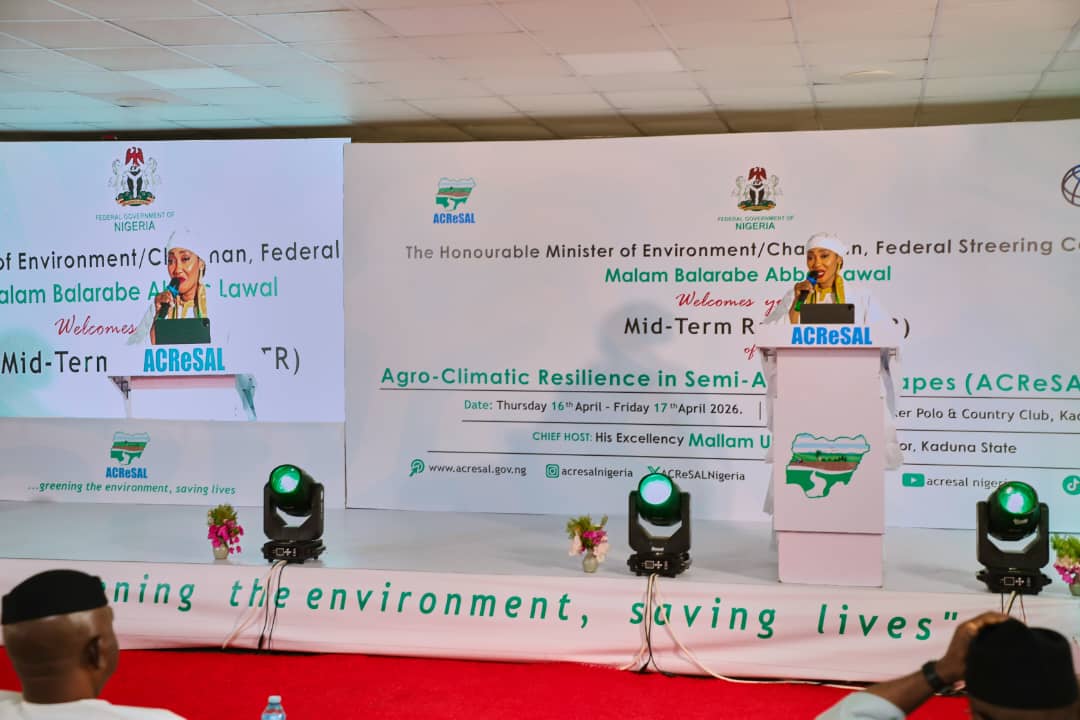
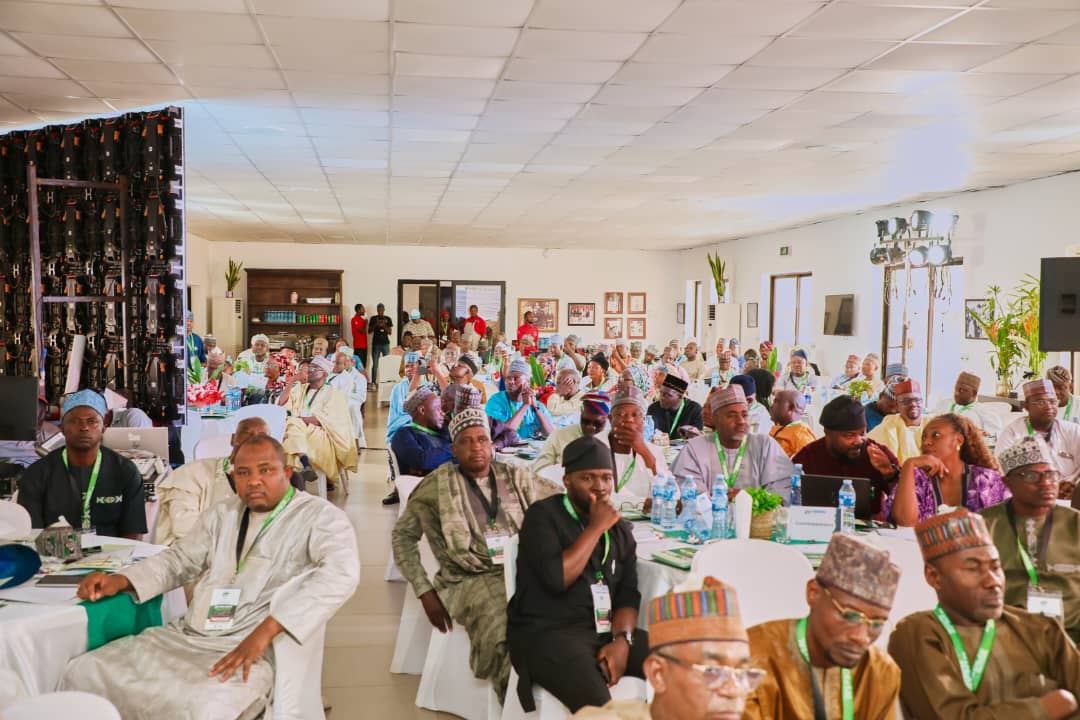
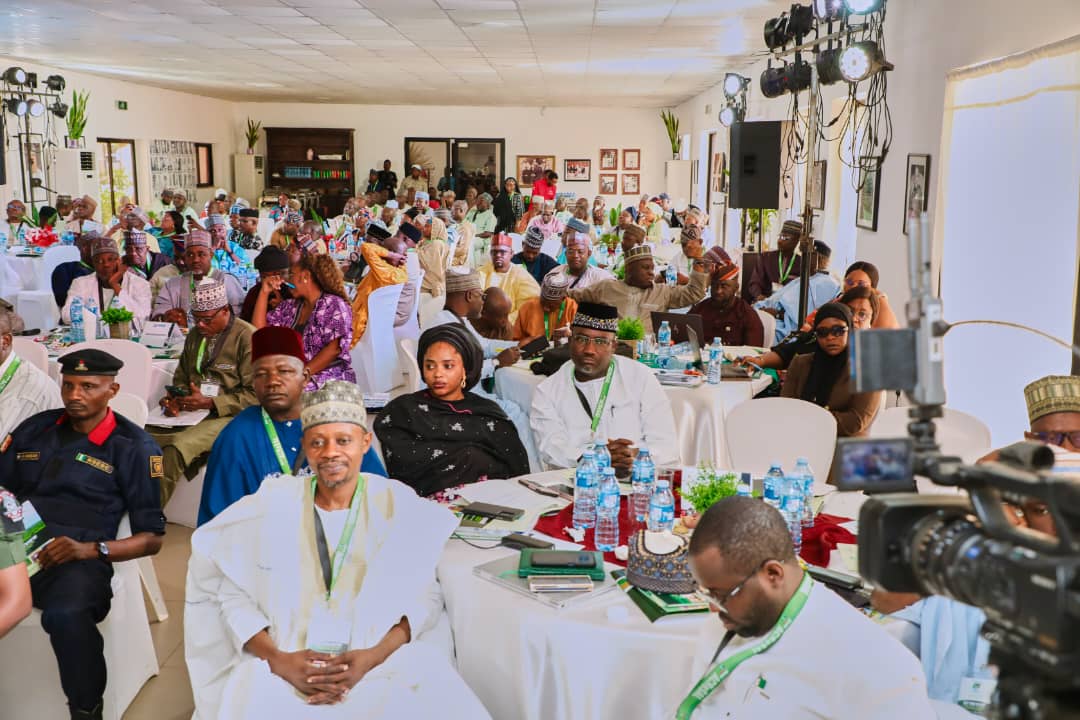
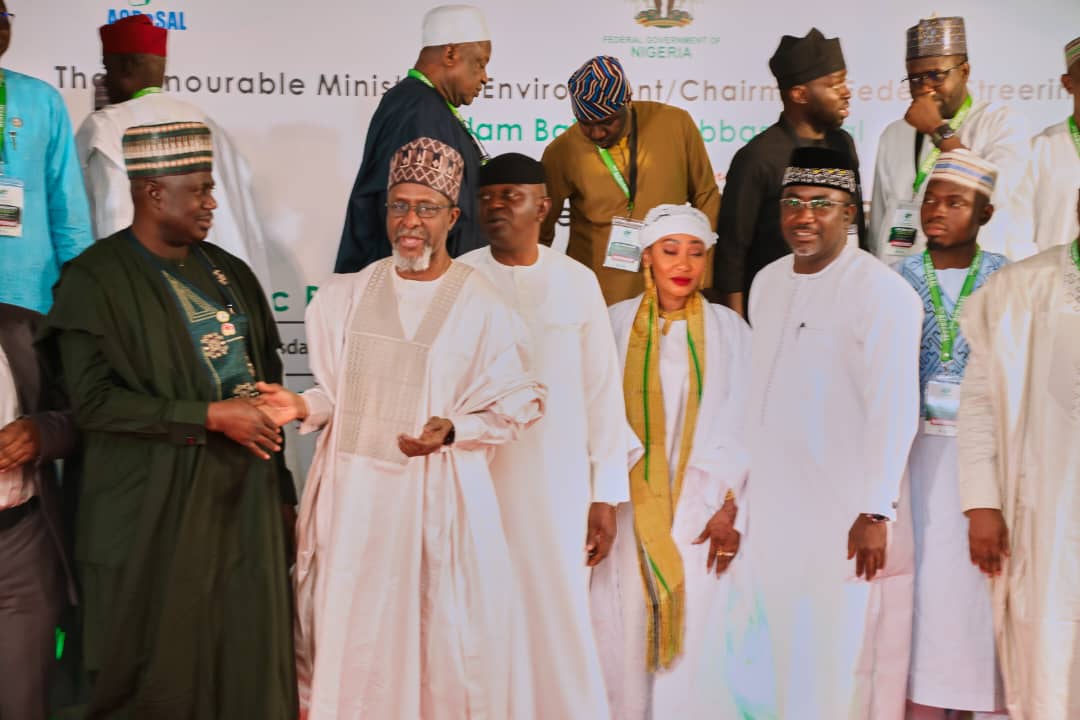
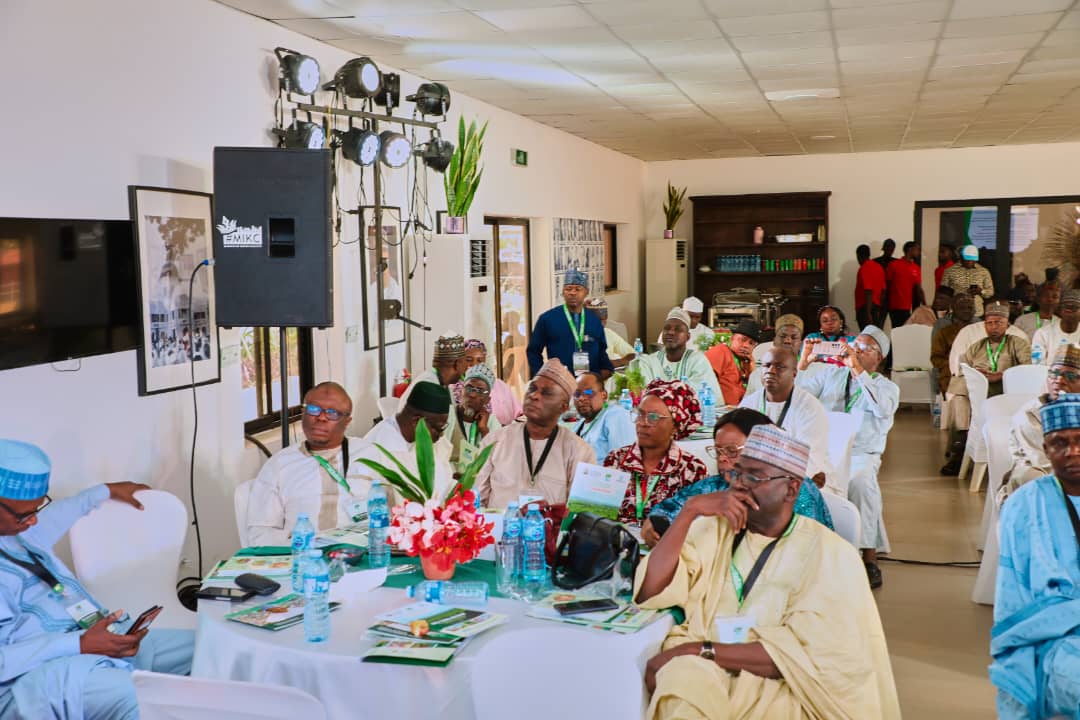
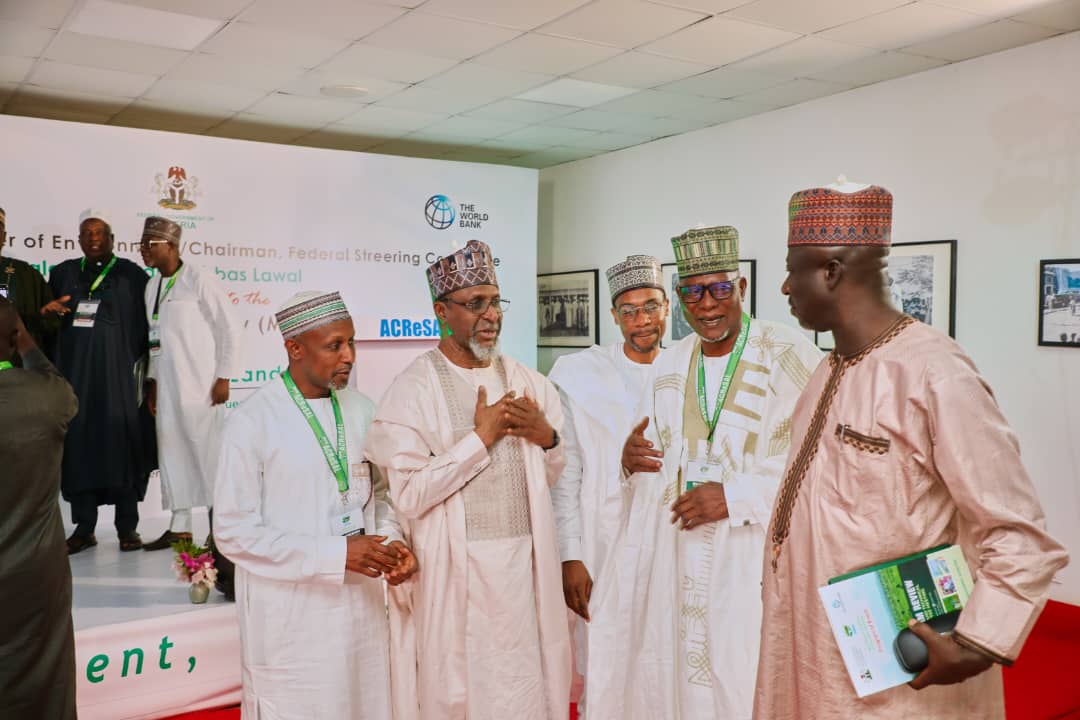
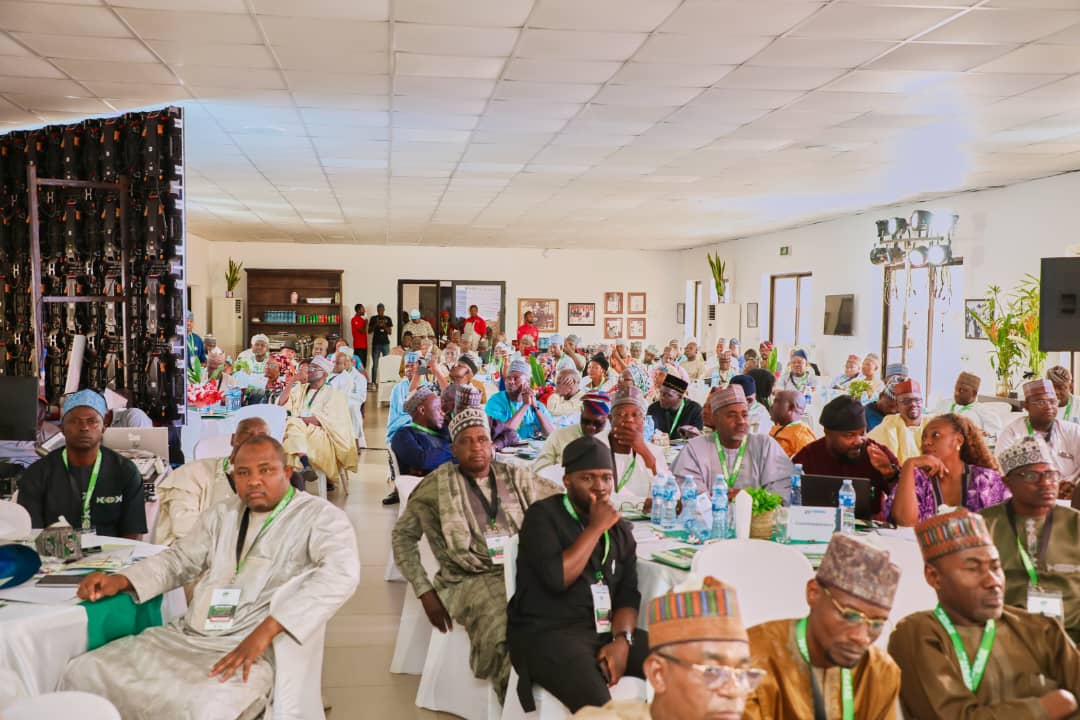
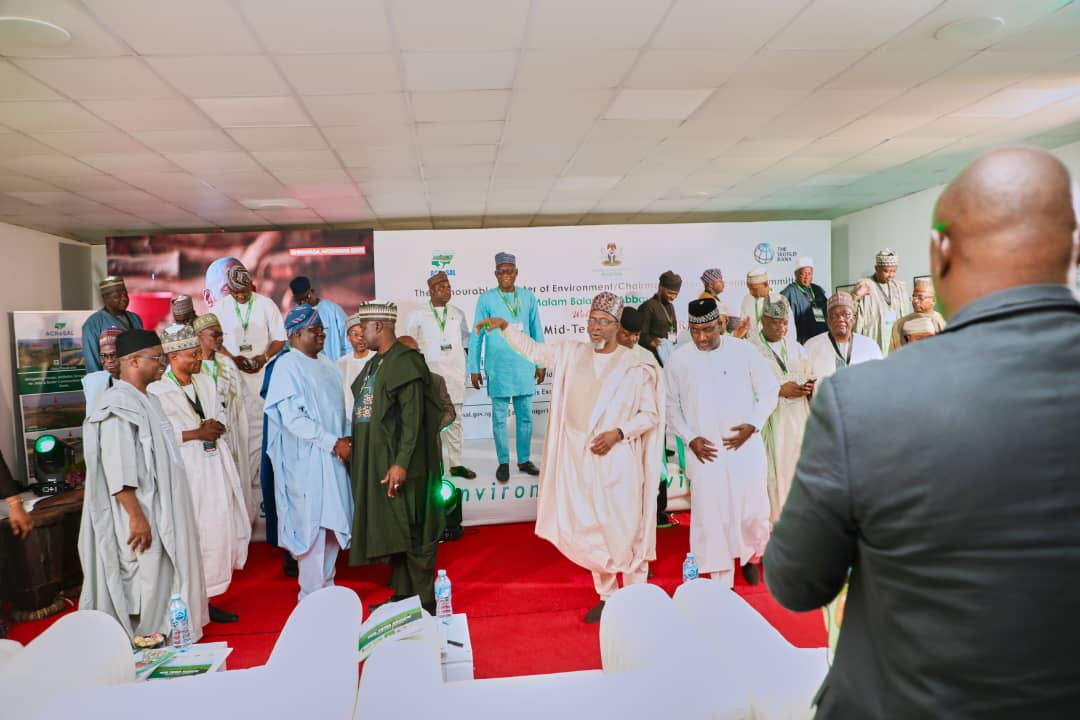
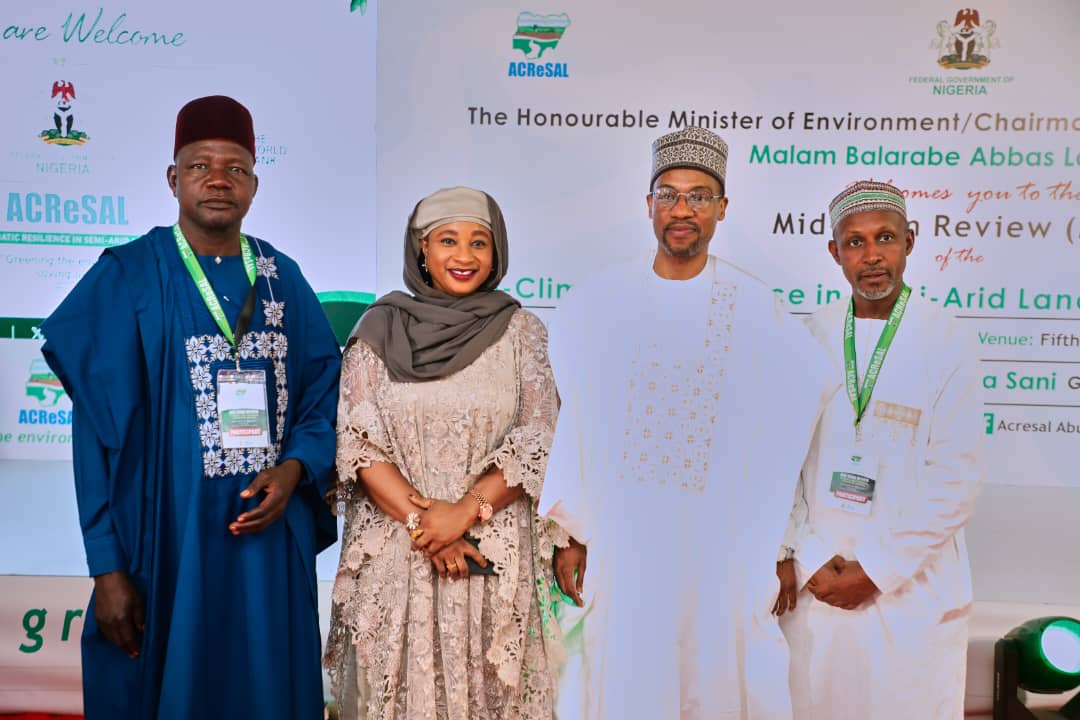
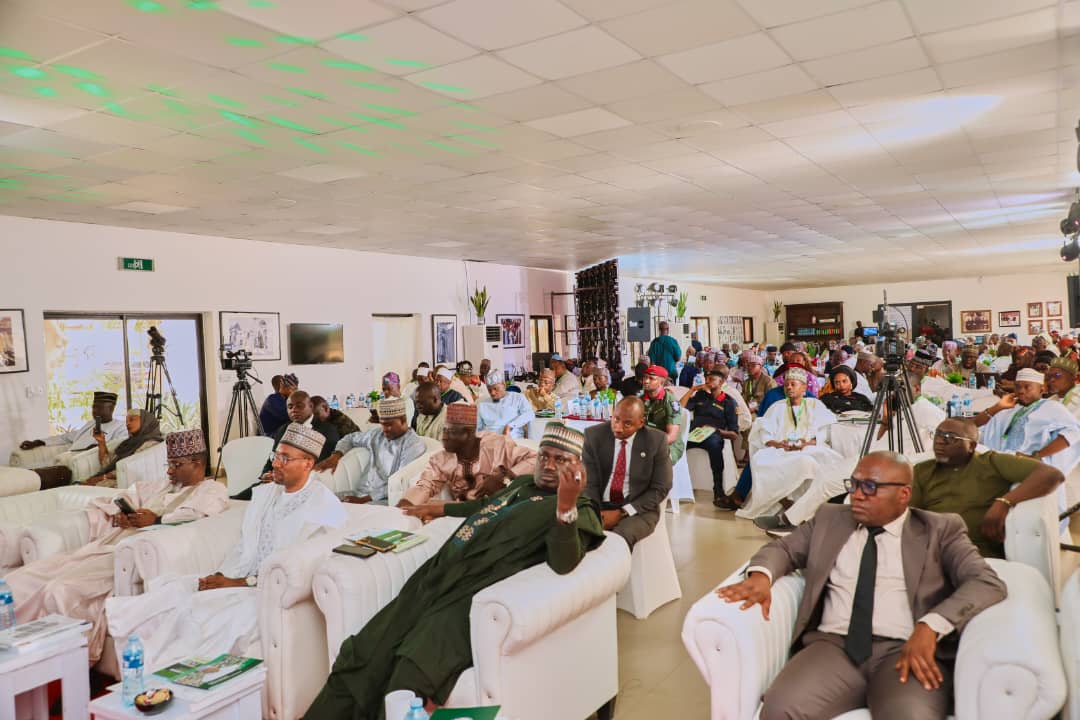
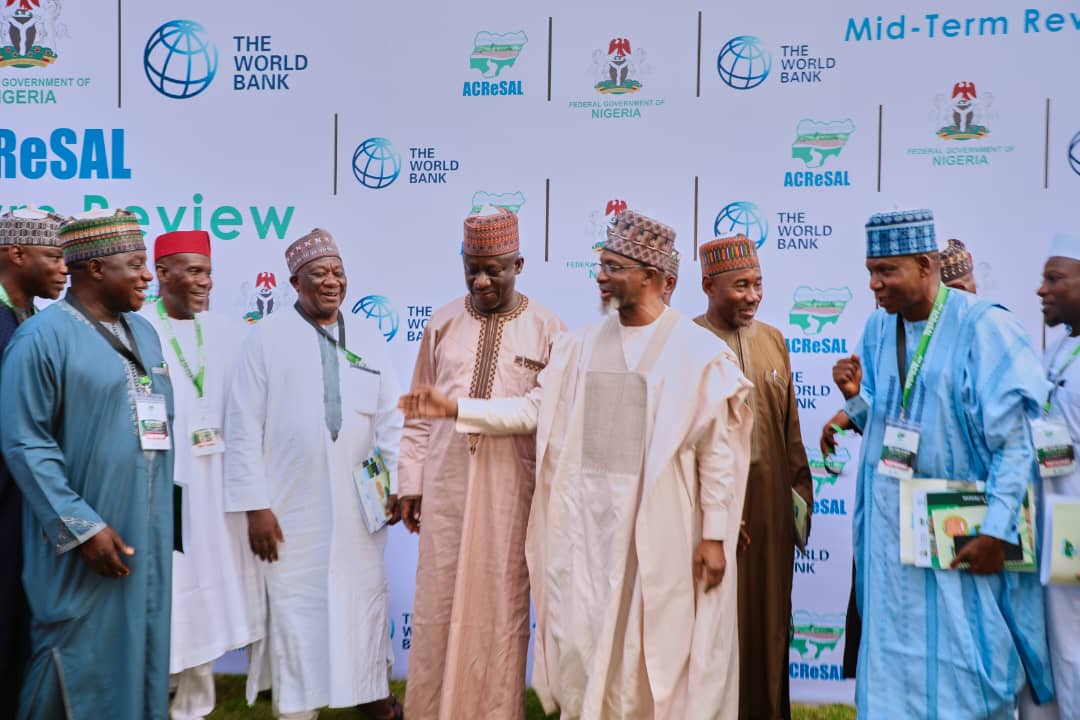
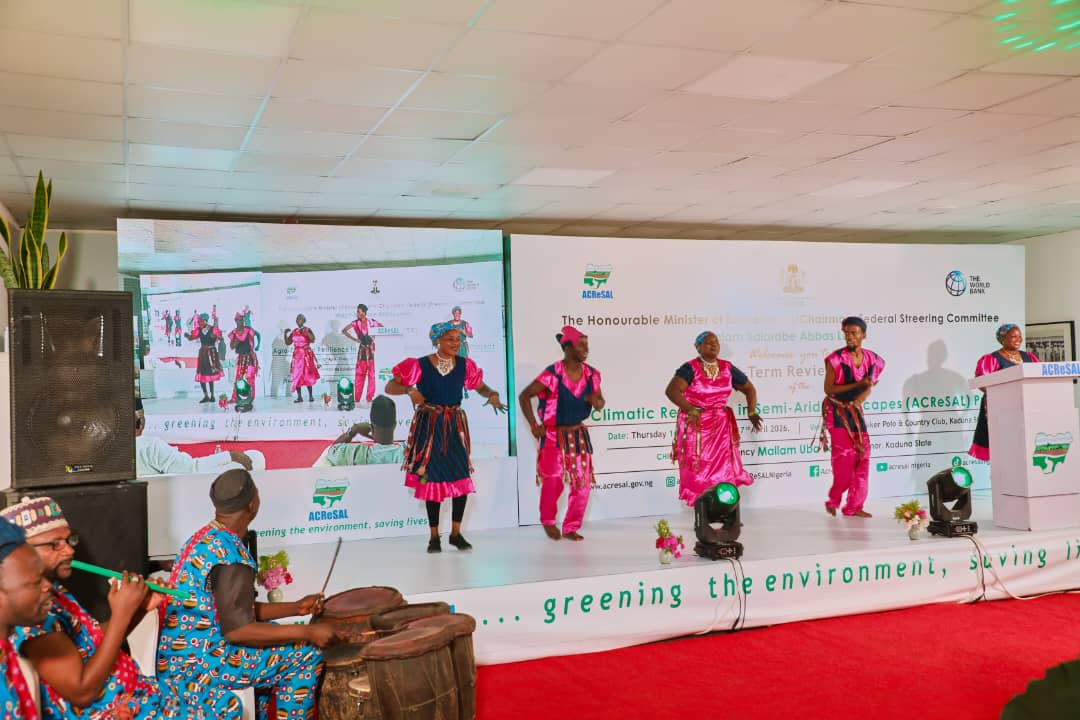
KADUNA, NIGERIA — April 17, 2026- The Agro-Climatic Resilience in Semi-Arid Landscapes (ACReSAL) project, a multi-sectoral initiative backed by the World Bank and the Federal Government of Nigeria, has officially transitioned from a regional intervention to a global benchmark for integrated landscape management. This milestone was underscored during the high-level Mid-Term Review (MTR) Mission held at the Fifth Chukker Polo & Country Club, Kaduna, from April 16–17, 2026.
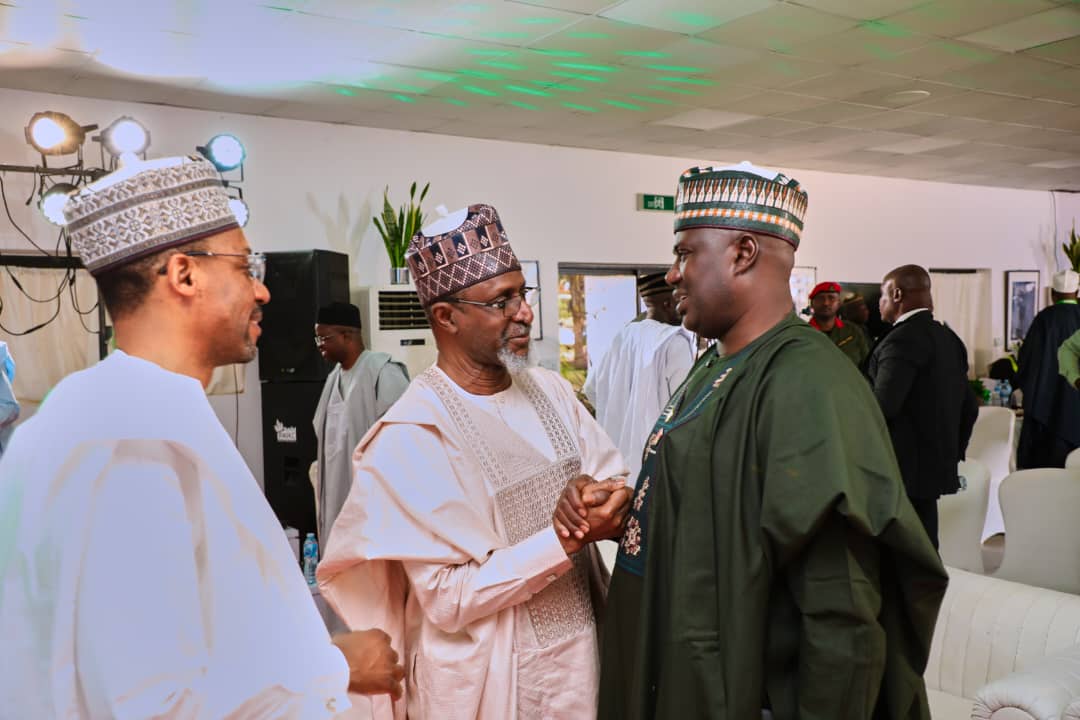
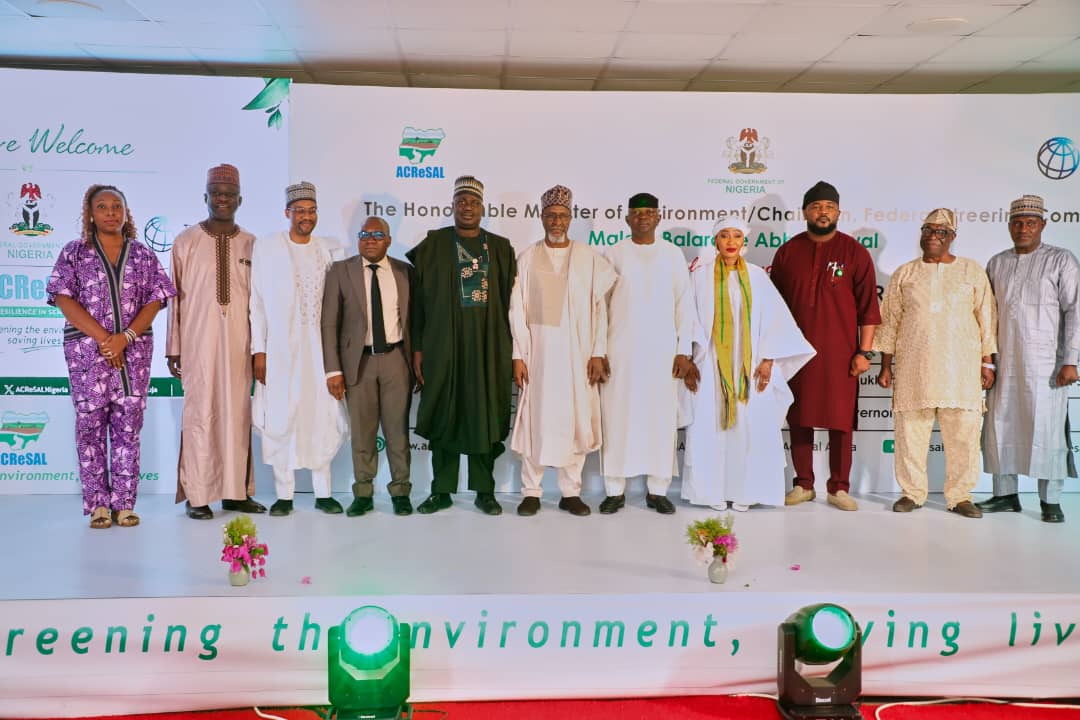
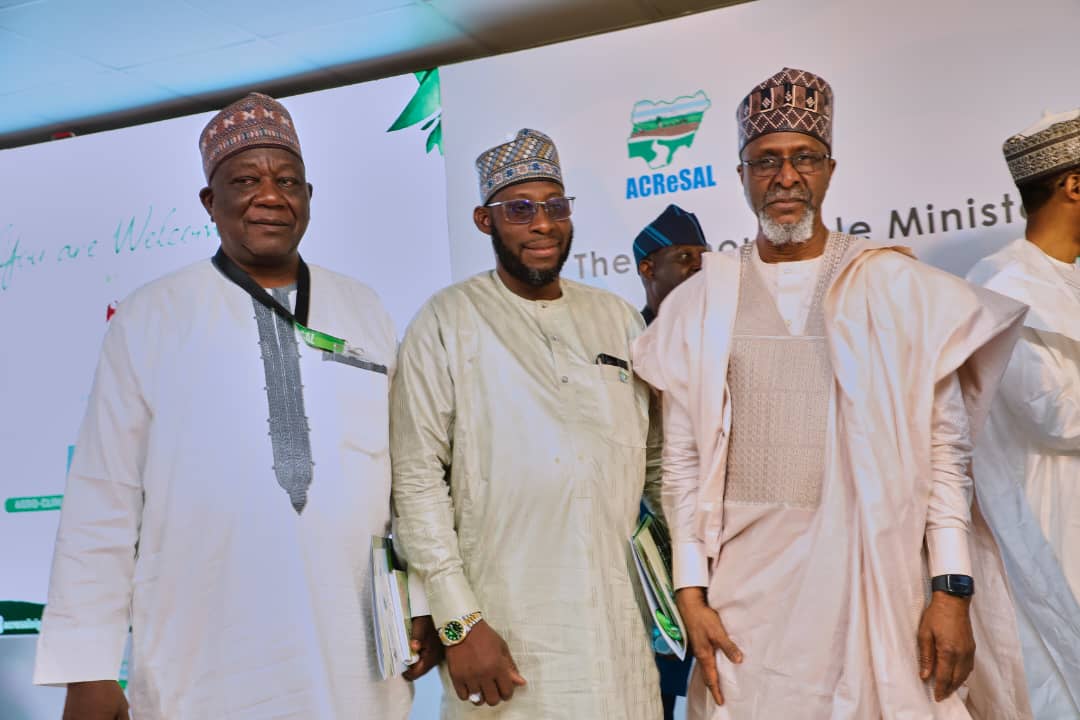
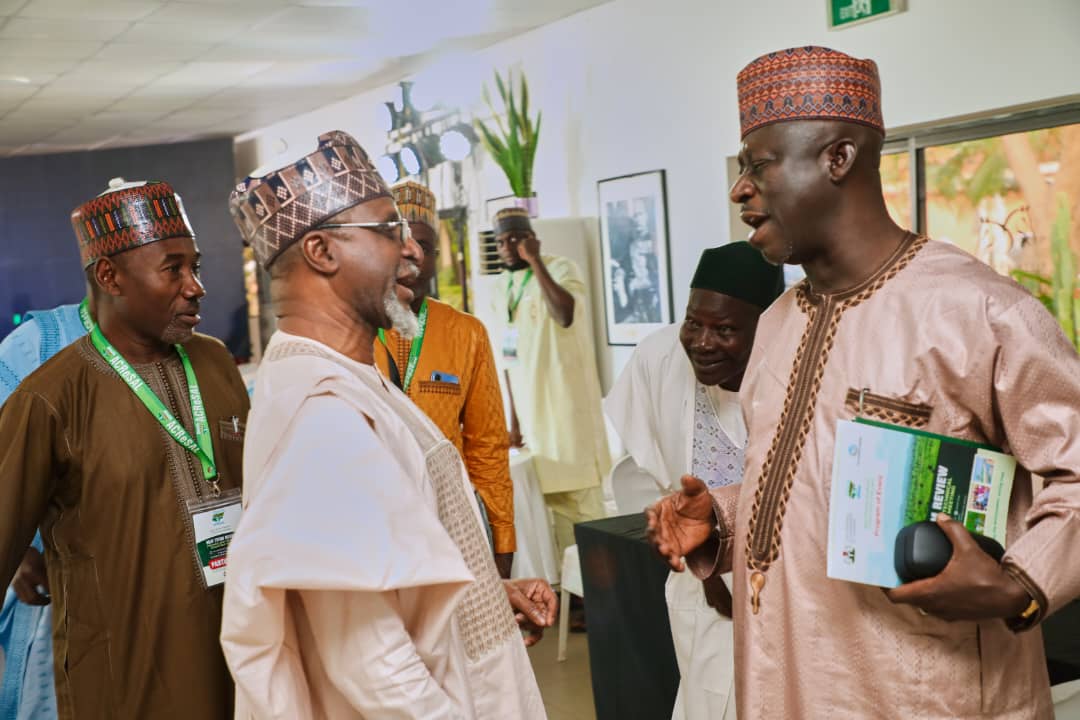
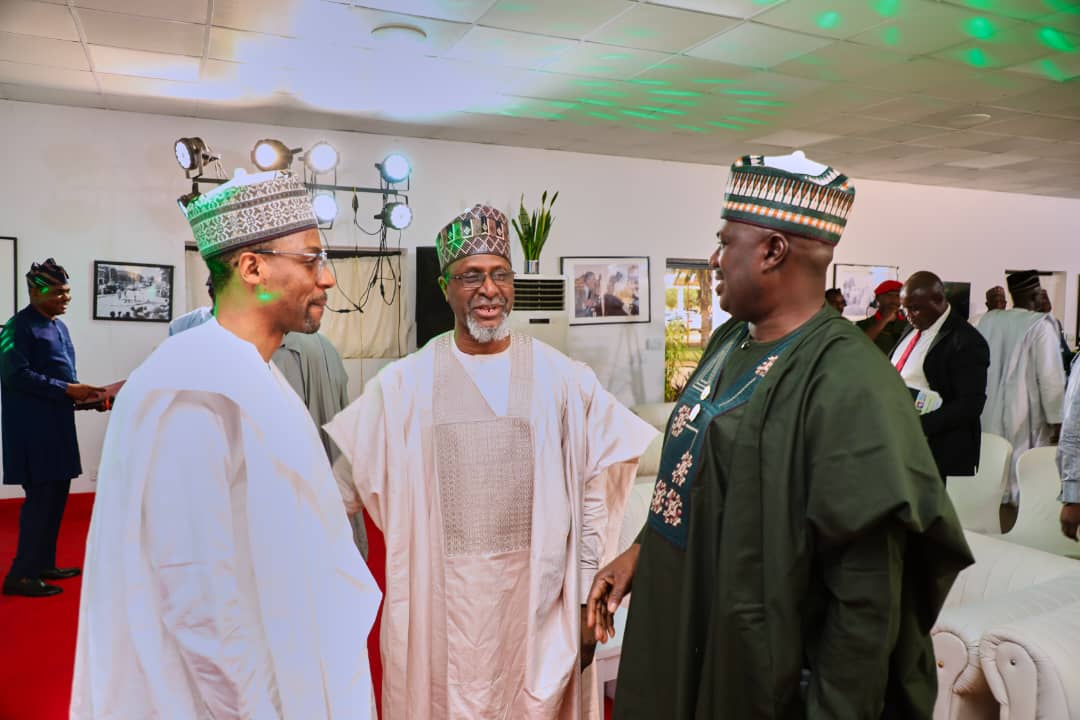
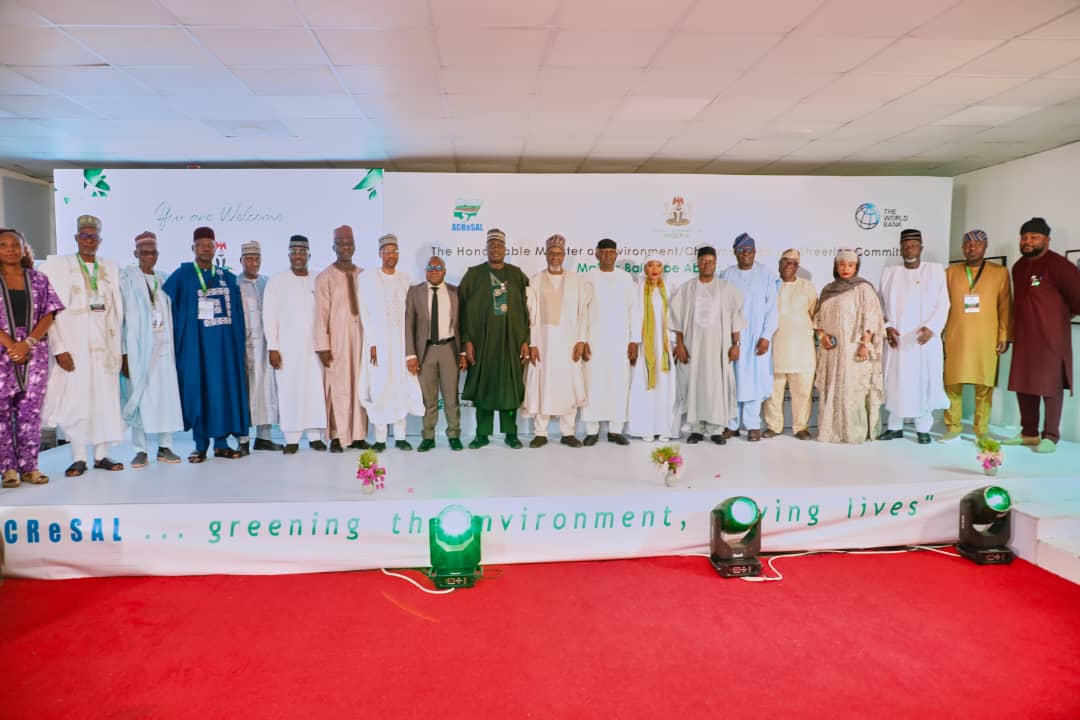
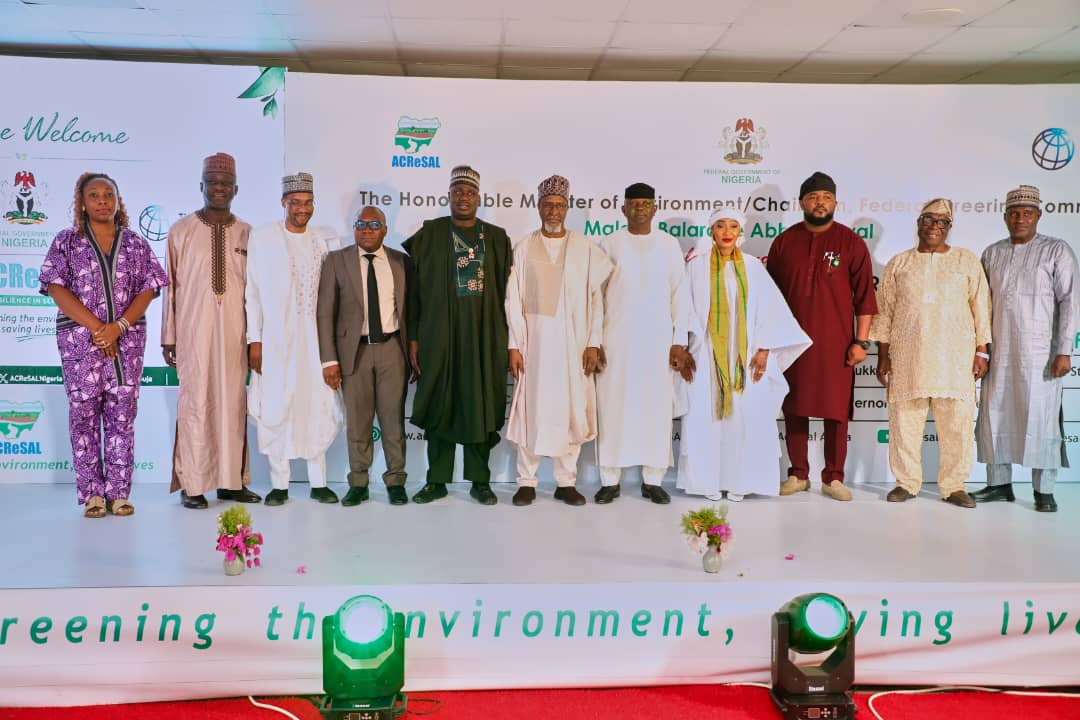
The mission brought together a powerful coalition including the Federal Ministers of Environment, Water Resources, and Agriculture, alongside State Commissioners, World Bank executives, and Permanent Secretaries from across the 19 Northern States and the FCT, to evaluate the project’s progress in combating desertification and securing food systems.
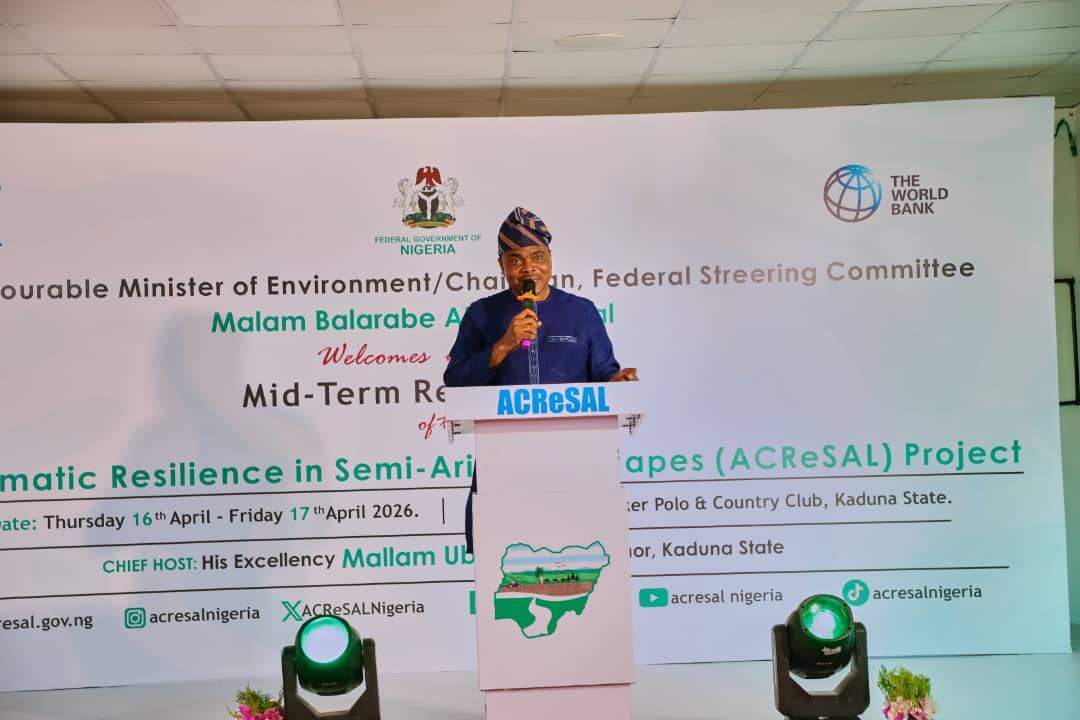
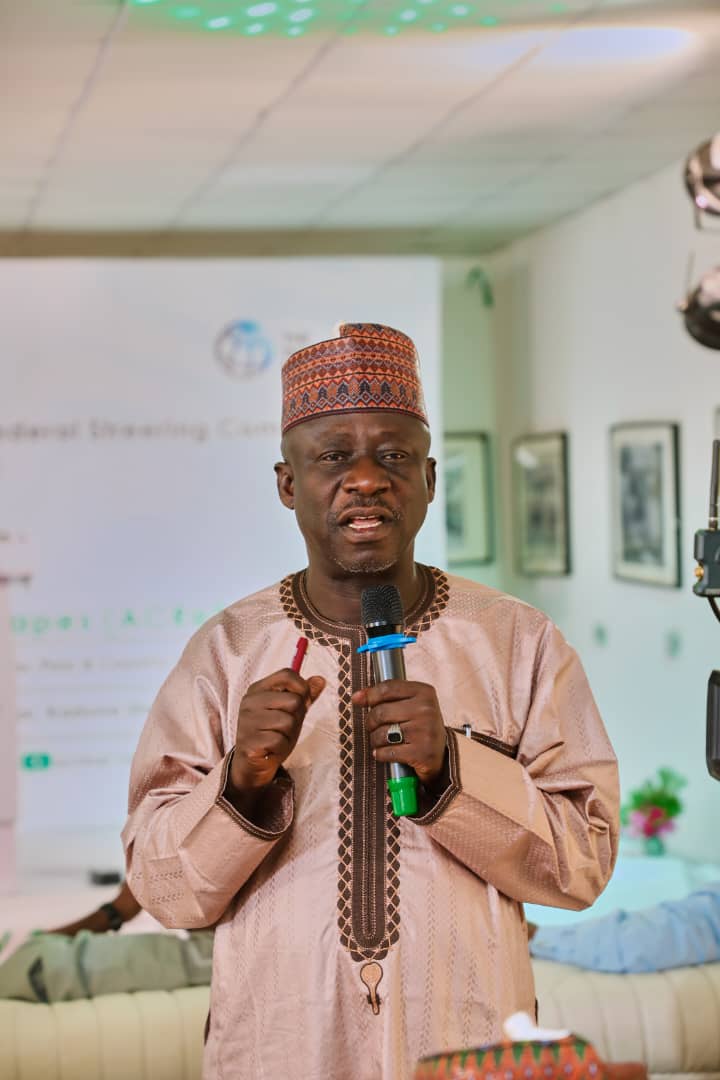
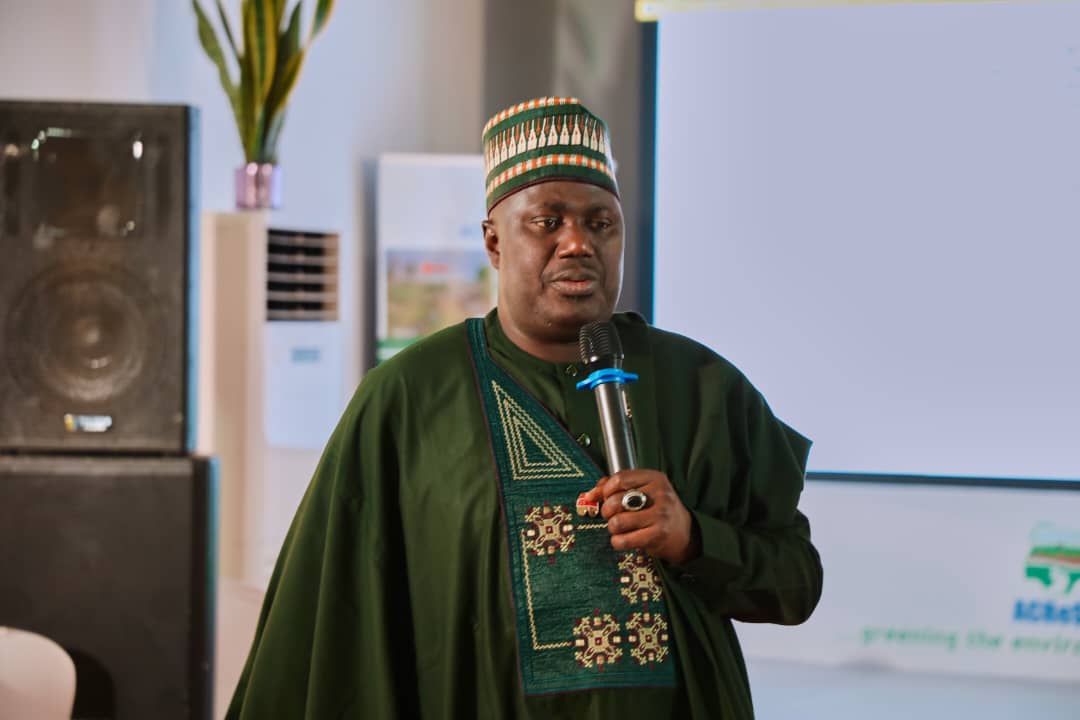
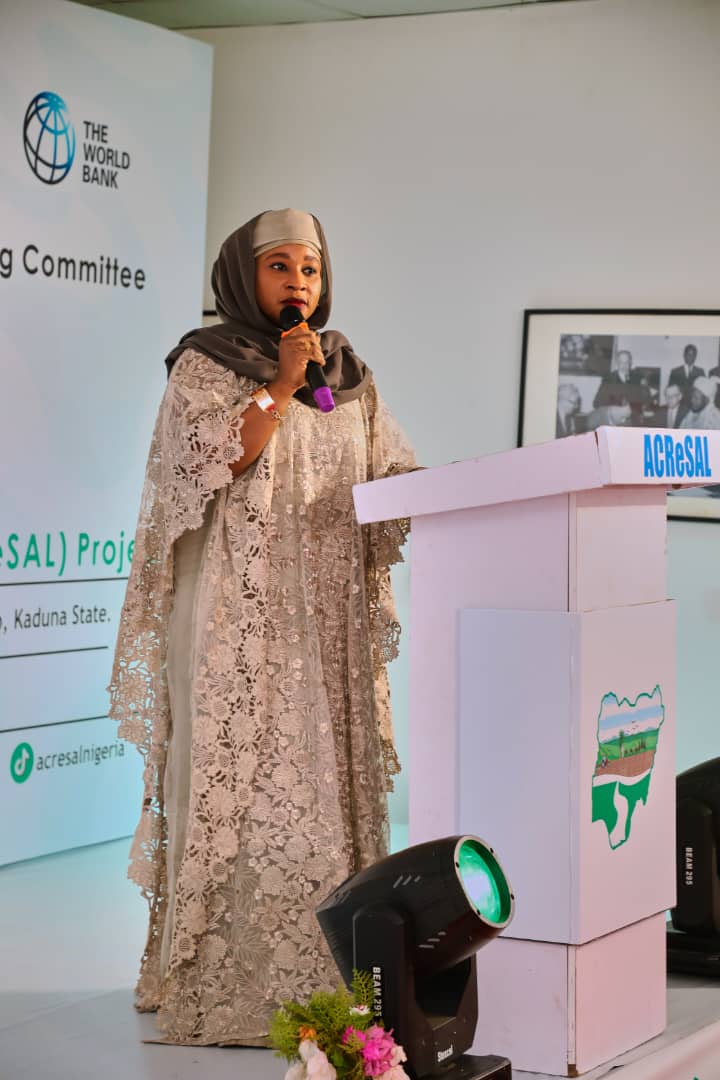
Delivering the keynote address on behalf of the Executive Governor of Kaduna State, Senator Uba Sani, the Honourable Commissioner of Environment and Natural Resources, Hon. Abubakar Buba, highlighted the project’s tangible impact on local communities.
“Kaduna State has identified over 22,000 hectares for restoration and desilted 160 kilometers of drains to combat urban flooding,” the Governor stated. “ACReSAL is the cornerstone of our environmental strategy, proving that visionary leadership and strategic partnerships can turn the tide against climate vulnerability.”
Governor Sani further emphasized that the project’s success is deeply rooted in the administration’s SUSTAIN Agenda. He noted that the inclusive approach—ranging from providing climate-smart agricultural loans through the Community Revolving Fund to training 500 women and youth in sustainable biomass energy—is creating a resilient economic buffer for the most vulnerable populations.
The Governor also placed on record his profound appreciation for the “exceptional professionalism” of the World Bank Task Team Leader, Dr. Joy Iganya Agene, and the “exemplary coordination” of the National Project Coordinator, Abdulhamid Umar, noting their roles in making ACReSAL a model of federal-state harmony.
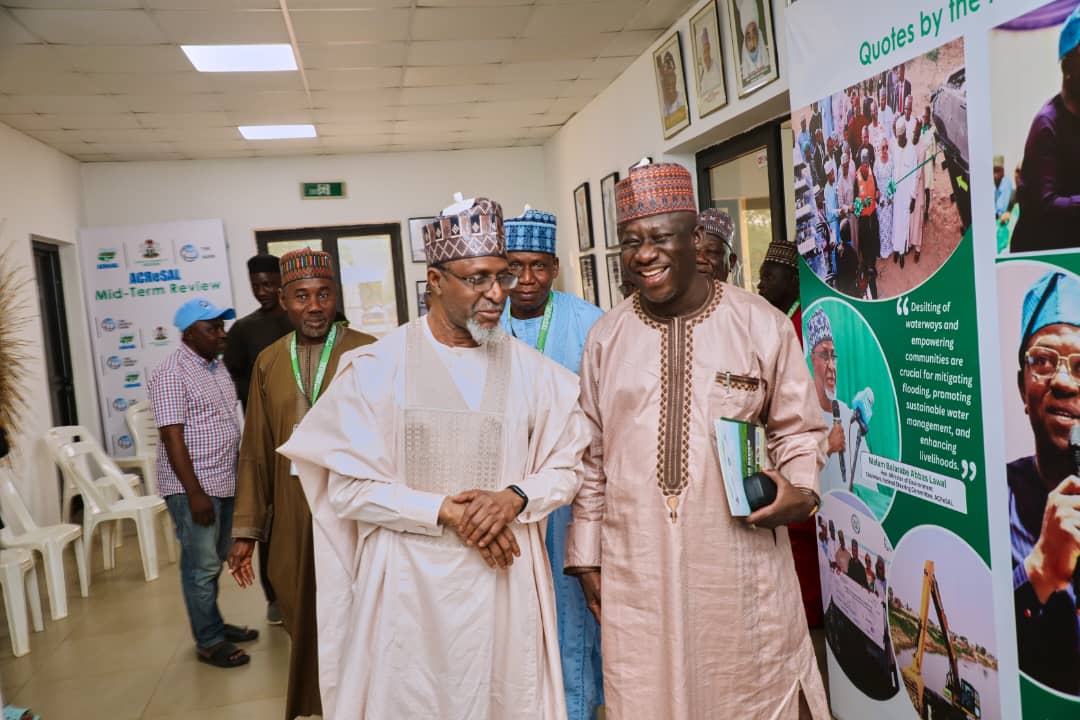
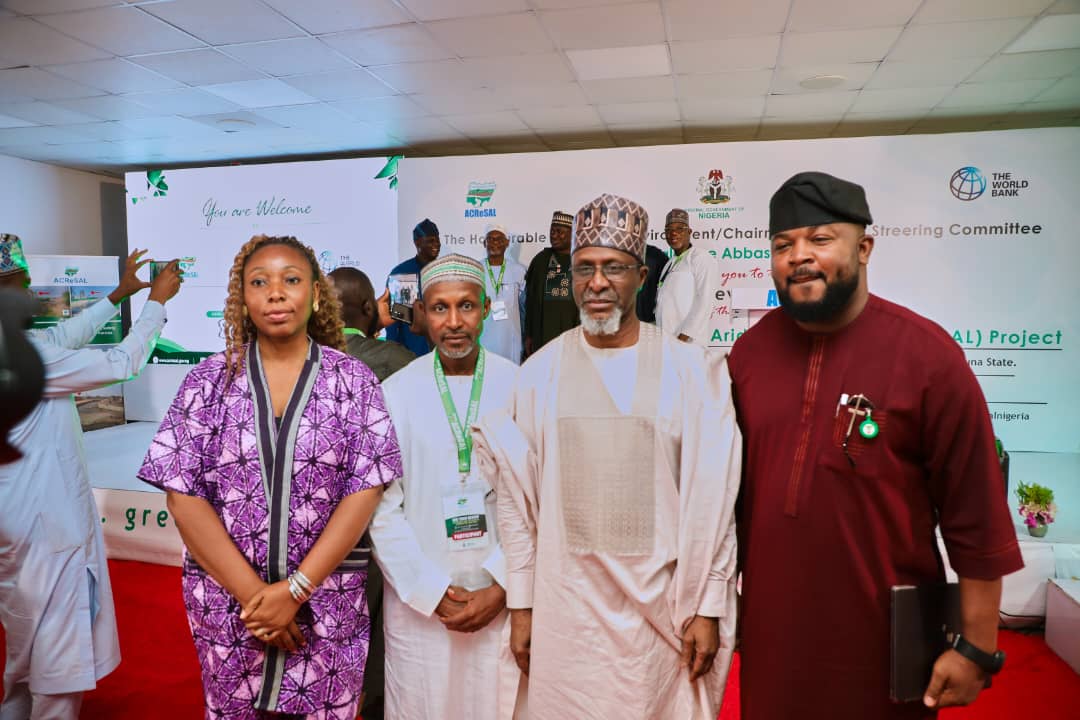
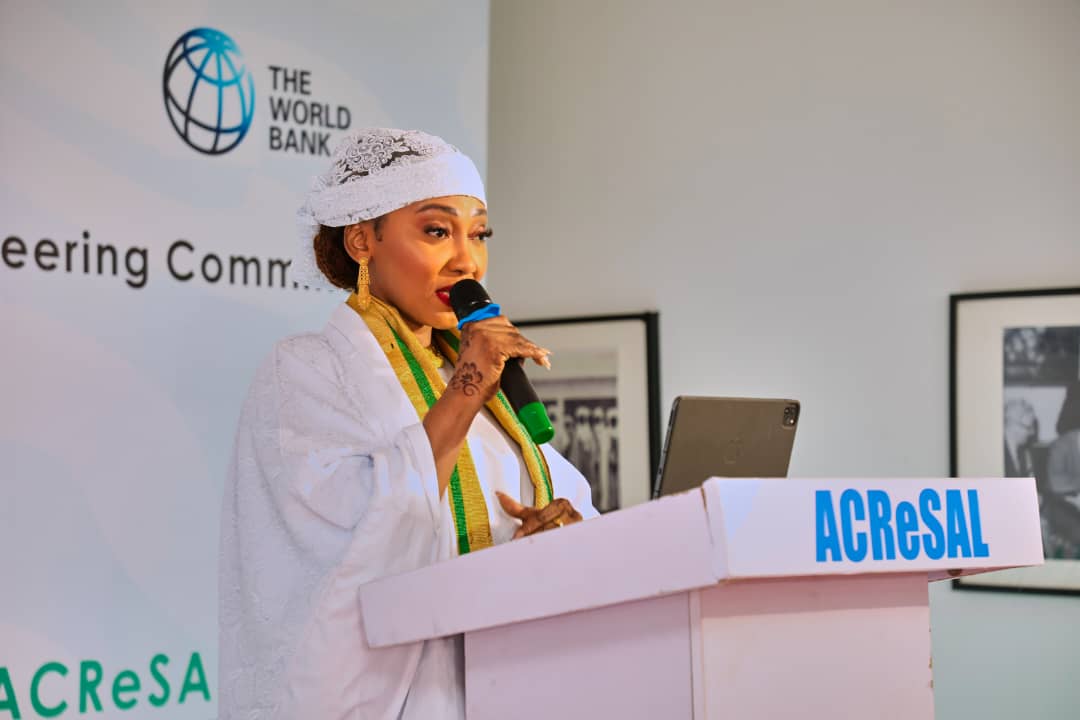
The Honourable Minister of Environment, Balarabe Abbas Lawal, who chairs the Federal Steering Committee, emphasized that the Mid-Term Review serves as a critical junction for the project’s lifecycle. “This is not a ceremonial exercise; it is a moment of reckoning and an honest, structured dialogue about how far we have come and what must still be done,” the Minister stated.
He urged all participating states to move beyond “performance theatre” and focus on honest problem-solving to ensure every resource committed delivers maximum, lasting transformation. He noted that while progress in land restoration and agro-forestry is commendable, the “second half” of the project demands even greater discipline and accountability.
The Honourable Minister of Water Resources and Sanitation, Engr. Prof. Joseph Terlumun Utsev, highlighted that water is the vital thread connecting all ACReSAL mandates. He noted that the degradation of land in Nigeria’s north is inseparable from the degradation of water resources, stating, “When vegetation disappears and soils lose their integrity, watersheds collapse, groundwater recharge diminishes, and rivers silt up.”
Minister Utsev expressed encouragement at the watershed rehabilitation activities already underway but urged for a sharper focus on integrating water resource management into state-level land use planning. He specifically emphasized the importance of gender-responsive water management, noting that reducing the water-scarcity burden on women and girls is central to the project’s long-term success.
The Honourable Minister of State for Agriculture and Food Security, Sen. Dr. Aliyu Sabi Abdullahi, reinforced that ACReSAL is, at its core, a primary “food security imperative.” He asserted that when the project restores degraded farmlands and introduces climate-smart practices, it is investing directly in the productivity of millions of smallholder farmers who are the backbone of the nation.
Minister Sabi Abdullahi tasked the Technical Committees with sharpening the tracking of agricultural indicators. He stressed that the second phase of implementation must scale up access to climate-resilient seeds and technologies, ensuring that early wins translate into a permanent transformation of the agricultural landscape in Northern Nigeria.
Representing the legislative arm, the Chairman of the House Committee on Environment, Rt. Hon. Mike Etaba, underscored the necessity of transparency and rigorous stewardship as the project enters its final phase. “The sustainability of this project depends on maintaining the highest standards of responsibility and stewardship in the management of resources,” Etaba remarked. He pledged continued legislative support, noting that ACReSAL stands as a “critical national intervention” safeguarding future generations.
World Bank Perspective: A Global Success Story
Dr. Joy Iganya Agene, World Bank Task Team Leader (TTL) for ACReSAL, lauded the Nigerian team for creating a blueprint that is now being studied across Africa. “ACReSAL is no longer just a Nigerian success; it is an example of integrated landscape management for the rest of the world,” Dr. Agene remarked.
She specifically credited the “ACReSAL magic” to the unprecedented collaboration between federal and state cabinet members and the tireless work of the Project Management Units.
The Road to 2028: Additional Financing and Sustainability
As the mission concluded, the National Project Coordinator, Abdulhamid Umar, and the various State Project Coordinators (SPCs) were tasked with accelerating implementation. A major focal point of the final deliberations was the Additional Financing (AF) for the ACReSAL project. Participants strongly discussed how this supplementary funding is essential to scale the project’s impact across more communities, noting that this may also extend the project’s timeline to ensure all objectives are met.
Furthermore, a robust Sustainability Plan was established to guarantee that project gains are institutionalized. Stakeholders emphasized that for the restored landscapes and improved livelihoods to endure, there must be a committed effort to maintain these assets and systems long after the project’s official close.
Media Contact:
Communications Specialist
Federal Project Management Unit (FPMU), ACReSAL