Over 43% of Lands in Nigeria Are Degraded: SCMP Is a ‘One-Stop Solution’ for Healing Degraded Landscapes
October 16, 2026
Over 43 percent of lands in Nigeria are degraded, making the Strategic Catchment Management Plan (SCMP) a vital “one-stop solution” for restoring degraded landscapes and bolstering climate resilience across the country.
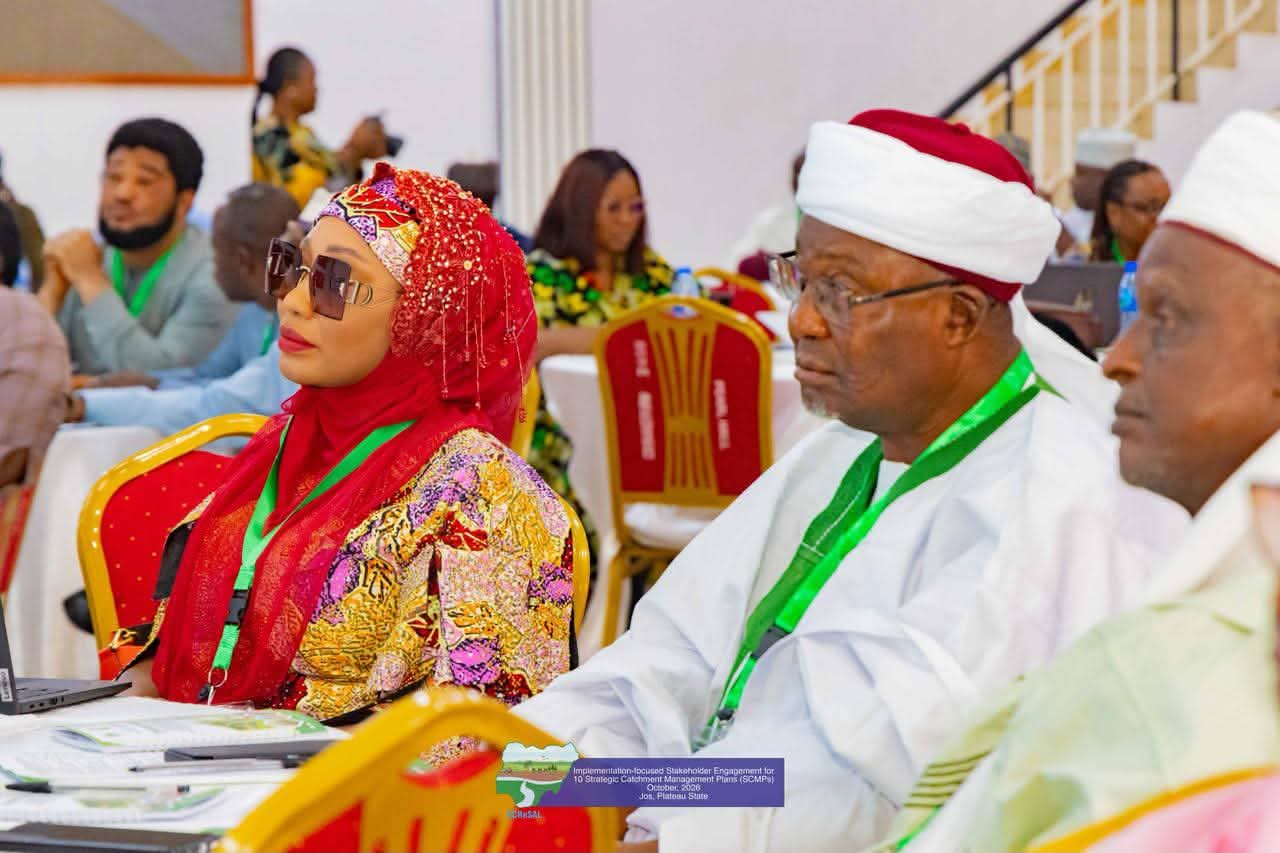
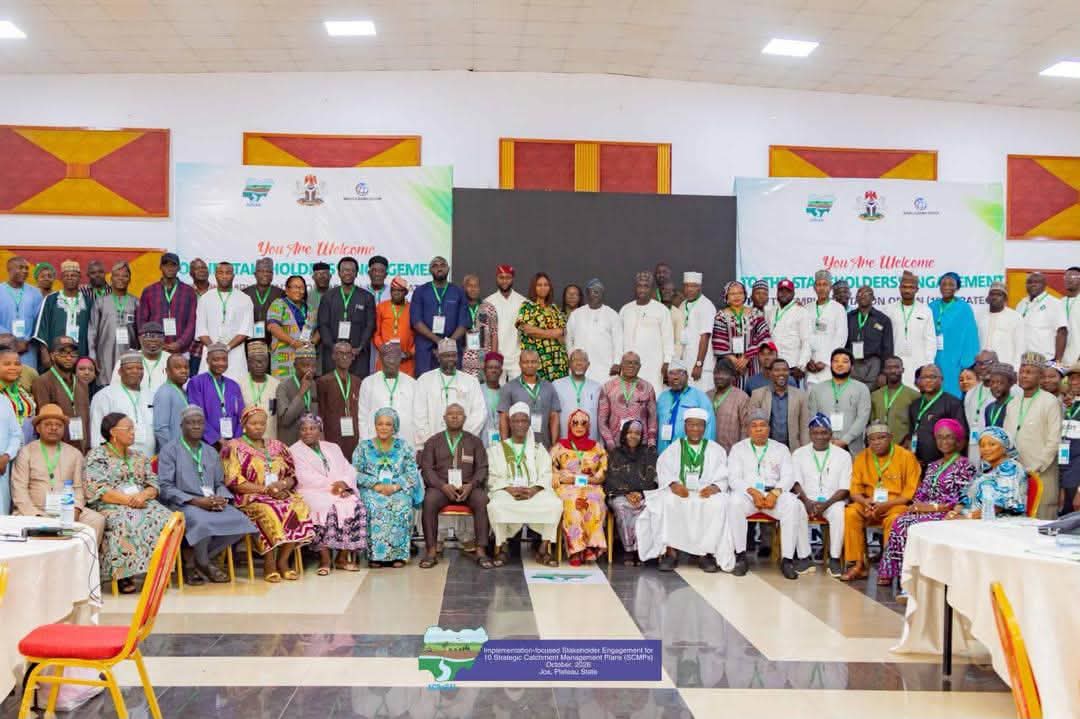
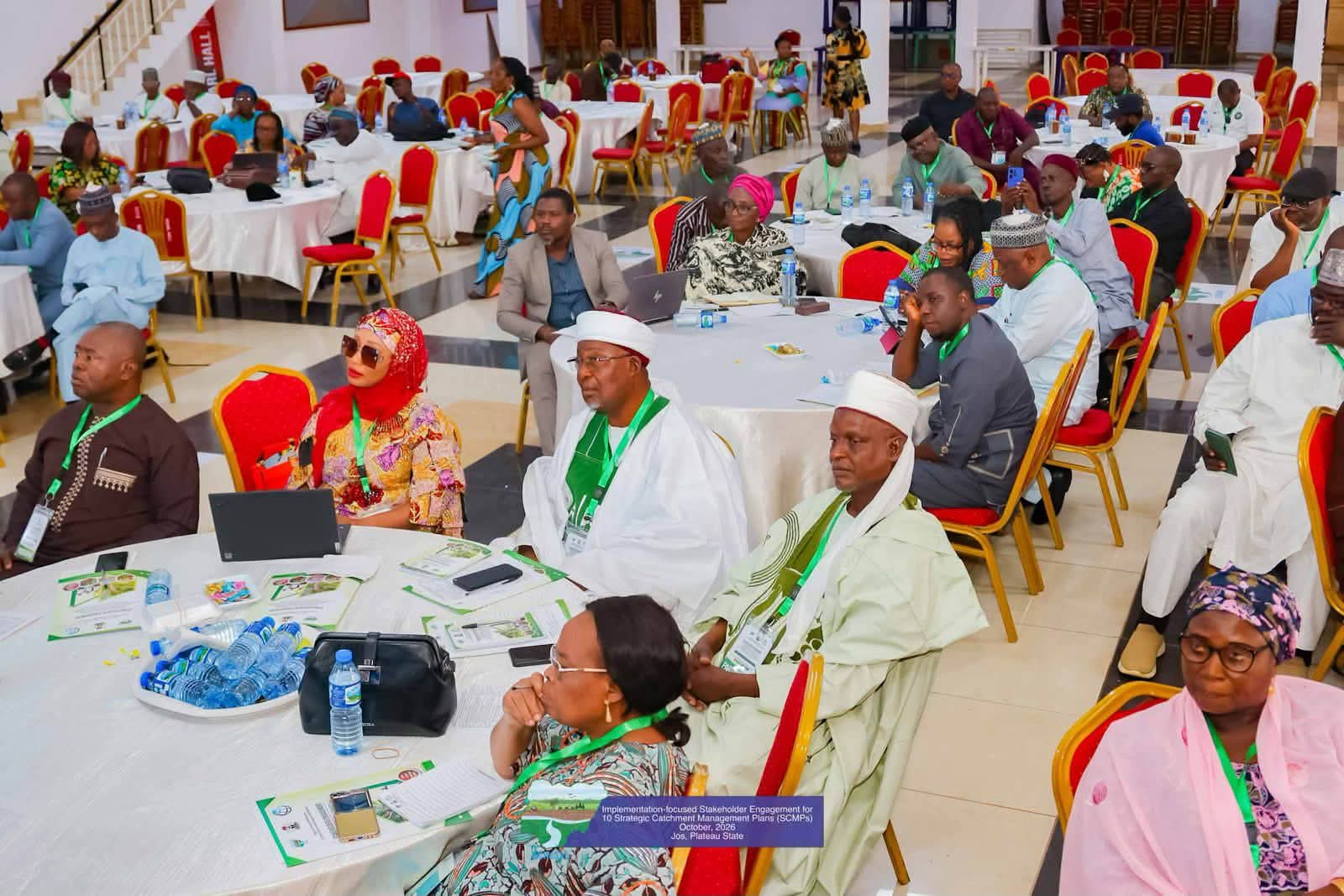
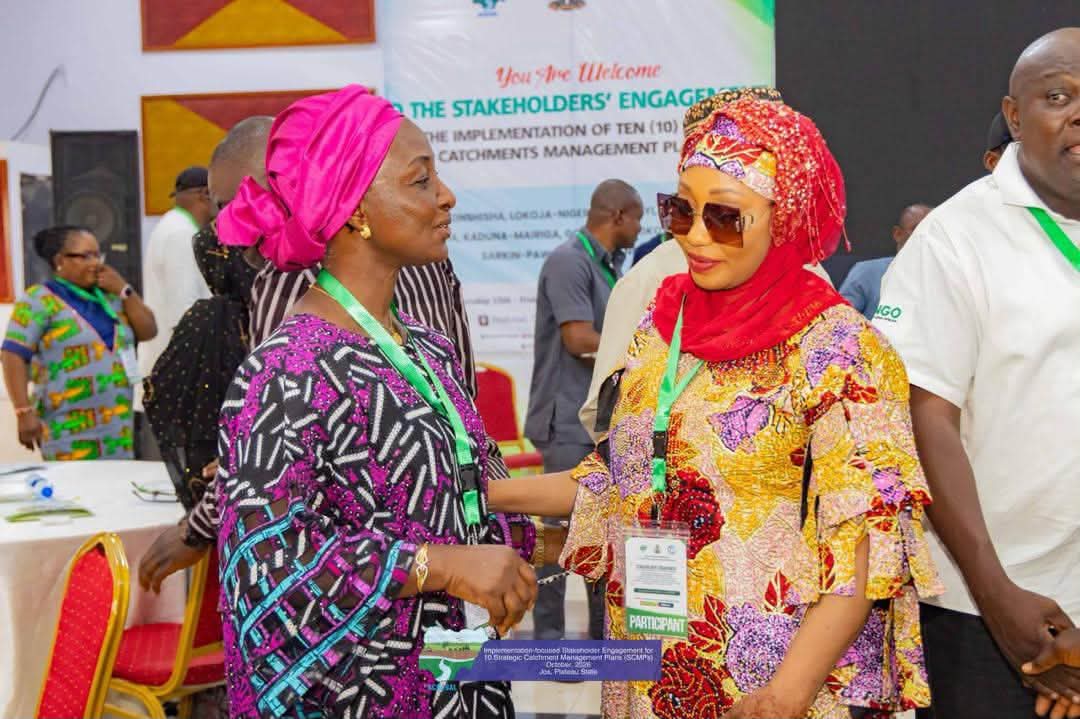
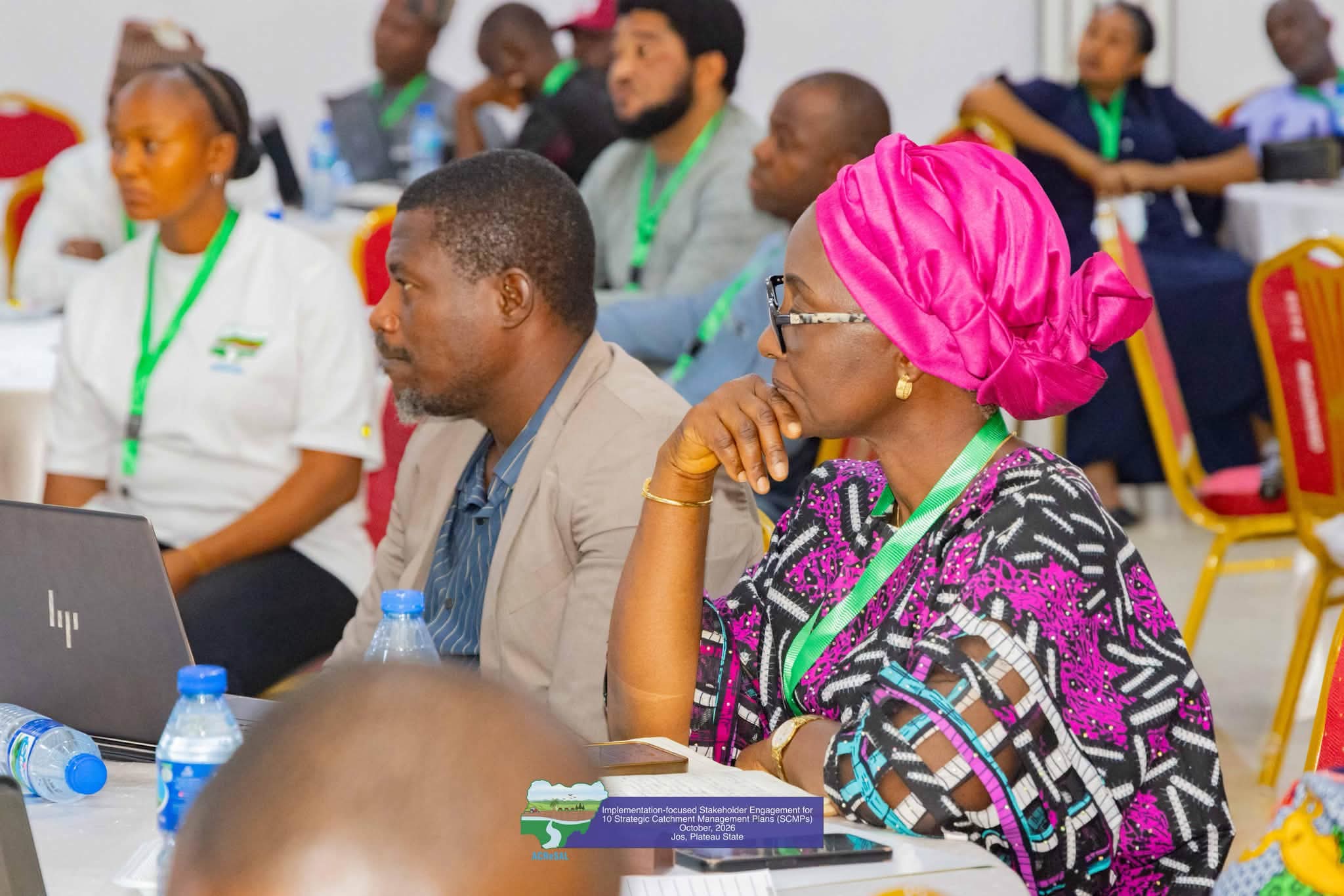
This call was made on the second day of an ongoing, implementation-focused stakeholder engagement on the SCMPs. The workshop brought together state representatives from across the catchment areas, technical experts, academia, traditional rulers and key stakeholders to map out priority interventions for pressing environmental challenges.
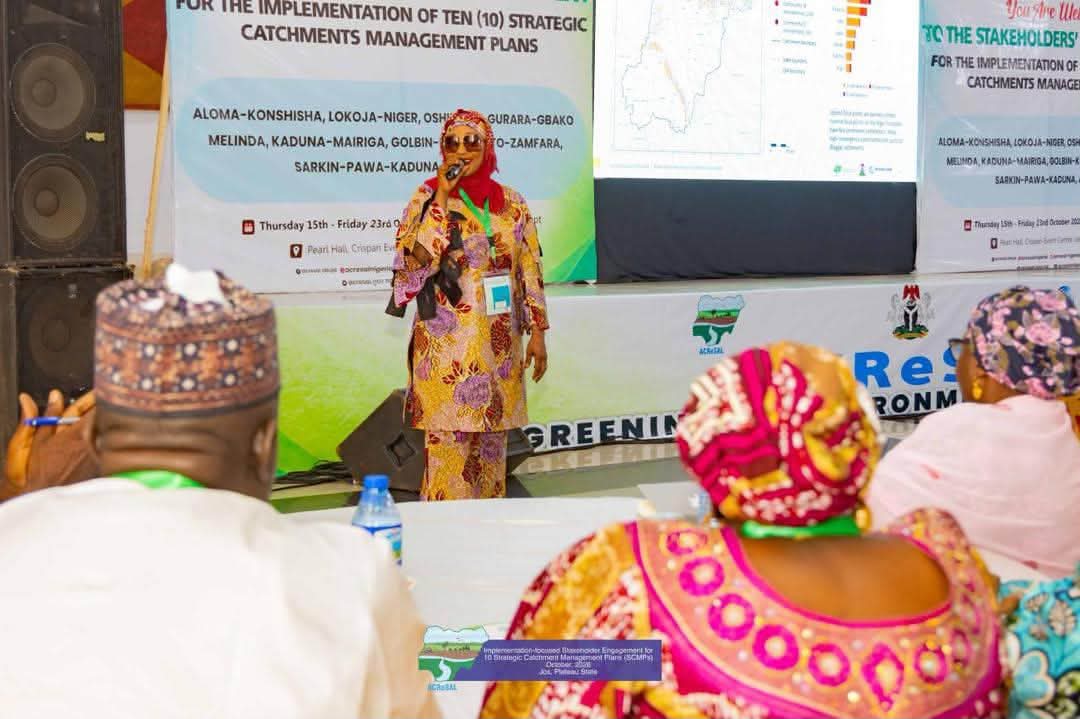
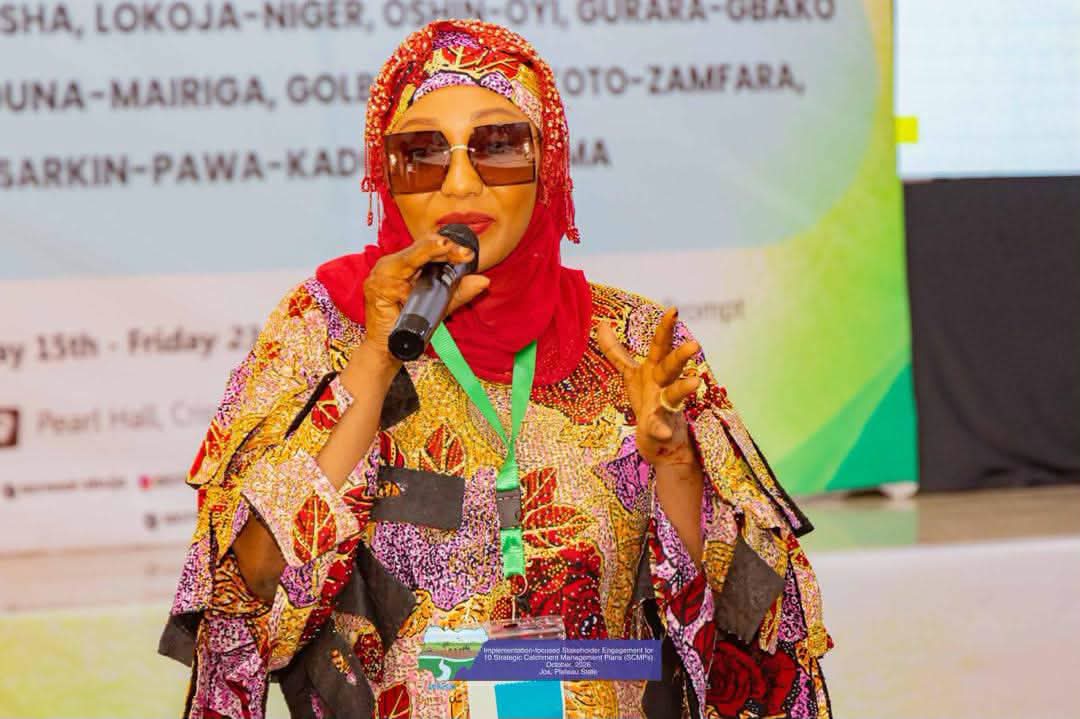
Speaking at the session, the World Bank Senior Environmental Specialist and Task Team Leader (TTL) for the Agro-Climatic Resilience in Semi-Arid Landscapes (ACReSAL) Project, Dr. Iganya Joy Agene, described the SCMP as a strategic blueprint for reversing environmental degradation and mitigating climate change impacts.
According to her, the plan offers a comprehensive framework to restore degraded landscapes, strengthen environmental sustainability, and enhance community livelihoods throughout the catchment regions.
“Over 43% of lands in Nigeria are degraded. The SCMP is a one-stop solution for healing degraded landscapes and improving livelihoods across Nigeria,” Dr. Agene stated.
She urged participating states to prioritize investments that deliver meaningful and lasting benefits to their people, emphasizing the need to translate the plan’s recommendations into concrete action once delegates return to their respective states.
Dr. Agene noted that the SCMP extends beyond identifying environmental risks—it offers sustainable pathways to reverse degradation, promote responsible natural resource management, and elevate the well-being of communities dependent on the catchment.
In a technical presentation, the Managing Director of MECON Geology and Engineering Services Limited, Mr. Chika Ofodile, underscored the necessity for practical, evidence-based recommendations capable of tackling environmental challenges for generations to come.
He stressed that these recommendations must move swiftly from documentation to implementation. A robust catchment management plan, he noted, must clearly establish water sources, availability, user demographics, and specific utilization needs.
Mr. Ofodile further highlighted the importance of conducting thorough baseline assessments of current catchment conditions—including water resource distribution, land-use patterns, and prevailing environmental pressures—to guide informed decision-making and targeted interventions.
In a complementary presentation, Dr. Samuel Ojih of the National Centre for Remote Sensing, Jos, evaluated watershed suitability using Multi-Criteria Decision Analysis (MCDA). He emphasized how systematic data assessments serve to identify priorities and guide appropriate technical interventions.
During the plenary discussion, stakeholders outlined key sustainability action pathways, including technology platforms that grant instant access to catchment data, governance frameworks to operationalize State Integrated Water Resources Management Commissions, federal-state complementarity, and institutional policy integration.
Participants subsequently divided into working groups to identify unique environmental challenges within their jurisdictions and develop context-specific solutions that contribute to a coordinated, sustainable management strategy for the entire Gurara-Gbako catchment.
The Gurara-Gbako catchment implementation engagement covers Niger, Kwara, Kogi, Kaduna, and Nasarawa States, alongside the Federal Capital Territory (FCT).
The engagement forms part of broader efforts to deepen multi-stakeholder collaboration, promote evidence-based environmental planning, and ensure the SCMP delivers long-term landscape restoration, enhanced climate resilience, and improved livelihoods across the catchments.