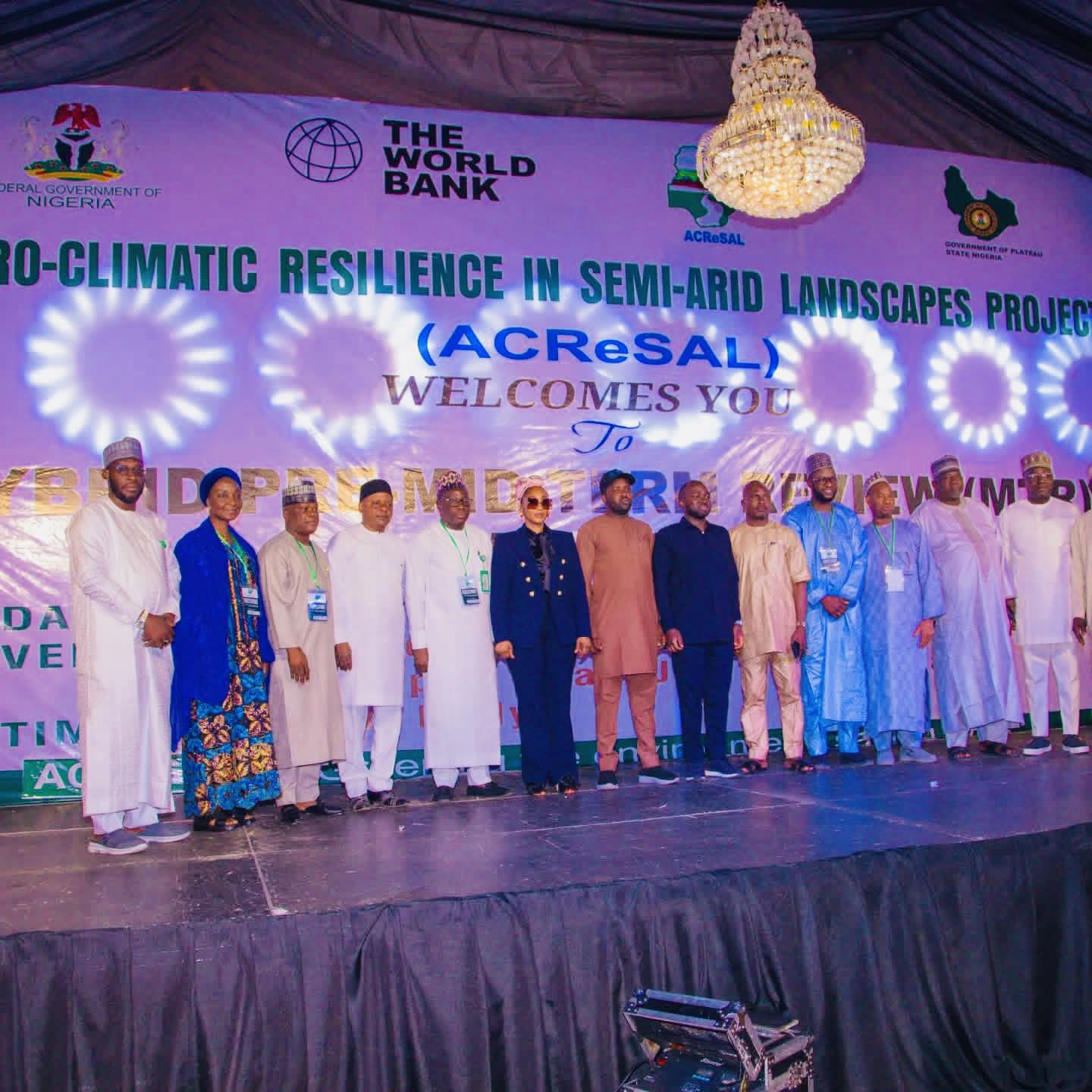
Plateau Hosts ACReSAL Pre‑Mid Term Review Mission: A Milestone for Climate‑Resilience in Nigeria Jos, Plateau State — 8th December, 2025
December 14, 2025
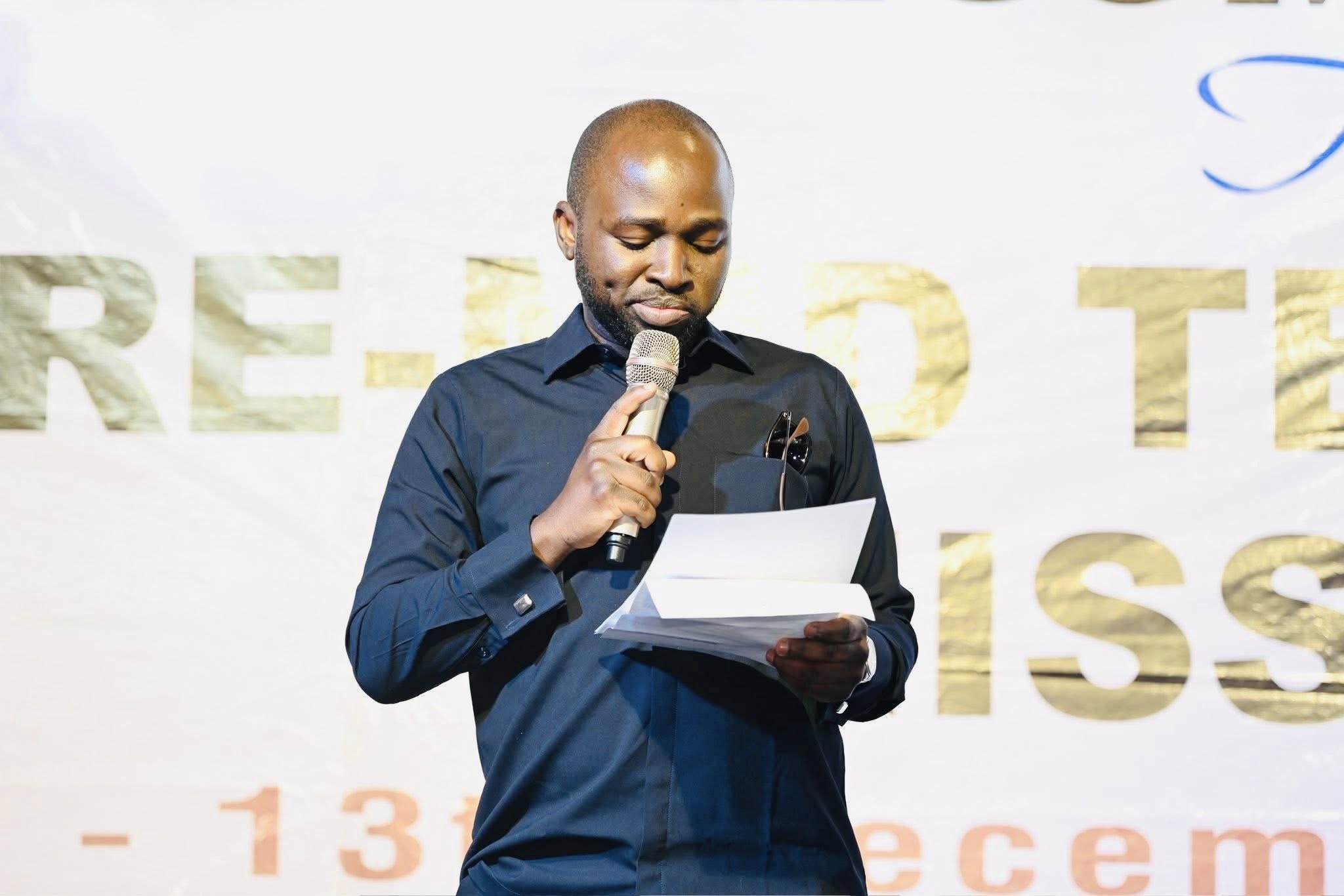
In an inspiring opening address at the second session of the ACReSAL Pre‑Mid‑Term Review (MTR) Mission, Hon. Peter Kanag Gwom, the Honorable Commissioner for Environment, Plateau State, extended a warm welcome to delegates and stakeholders gathered in Jos.
The event marks a crucial step in assessing progress and charting the path forward for the Agro‑Climatic Resilience in Semi‑Arid Landscapes (ACReSAL) Project, a transformative initiative backed by the Federal Government and the World Bank.
Hon. Gwom expressed his delight, stating:
“First and foremost, I am delighted to welcome you to Jos, Plateau State, for this important gathering dedicated to advancing and measuring the successes achieved so far by the ACReSAL Project. This event reflects our shared commitment to safeguarding the environment, restoring degraded landscapes, strengthening climate resilience, and improving livelihoods for our people. Plateau State is proud to host and partner in this national initiative.”
He highlighted the state’s ecological richness—highlands, forests, water bodies and abundant biodiversity—but also underscored the pressing challenges of land degradation from crude farming, illegal mining, gully erosion, deforestation, and climate‑induced stress on agriculture and water resources.
“ACReSAL has come at the right time, aligning perfectly with our administration’s vision of building a greener, safer, and more prosperous state,” he affirmed.
The Commissioner outlined the tangible benefits already delivered by ACReSAL: restoration of degraded landscapes, improved water resources and watershed management, strengthened agricultural productivity, creation of green jobs and new livelihoods, enhanced community resilience and local governance, increased environmental awareness, institutional strengthening and policy reform, contribution to peace and social stability, and long‑term economic growth and wellbeing.
Reaffirming the state government’s commitment, he detailed five priority areas: providing an enabling environment for seamless implementation; ensuring inclusive stakeholder engagement, especially at the community level; sustaining project gains beyond its lifespan; strengthening institutional capacity and environmental governance; and mobilizing all ministries, departments, agencies, and local governments in support of the initiative.
Hon. Gwom also acknowledged the Federal Ministry of Environment and the World Bank for their partnership and extended appreciation to the State Project Management Unit, local councils, civil society groups, traditional institutions, farmers, women, and youth for their unwavering dedication. He noted that while progress faces challenges, the gathering represents a significant milestone toward environmental sustainability.
“Let us use this gathering to accelerate climate action, strengthen our landscapes, and secure a resilient future for the participating states and the rest of Nigeria,” he concluded.
Dr. Joy Iganya Agene, Task Team Leader for ACReSAL and Senior Environmental Specialist at the World Bank, noted that the ACReSAL team is in Plateau to kick off the second segment of the Pre‑MTR (Mid‑Term Review) mission. She said the mission began on 1st December 2025 in Abuja, where impactful sessions were held on project results, Community Revolving Funds (CRF), and the National Agricultural Survey data that will serve as ACReSAL’s baseline.
She added that the team is now in Jos for in‑depth discussions on project implementation progress, to appraise the project design, and assess how well it’s tracking against the Project Development Objective (PDO) indicators.
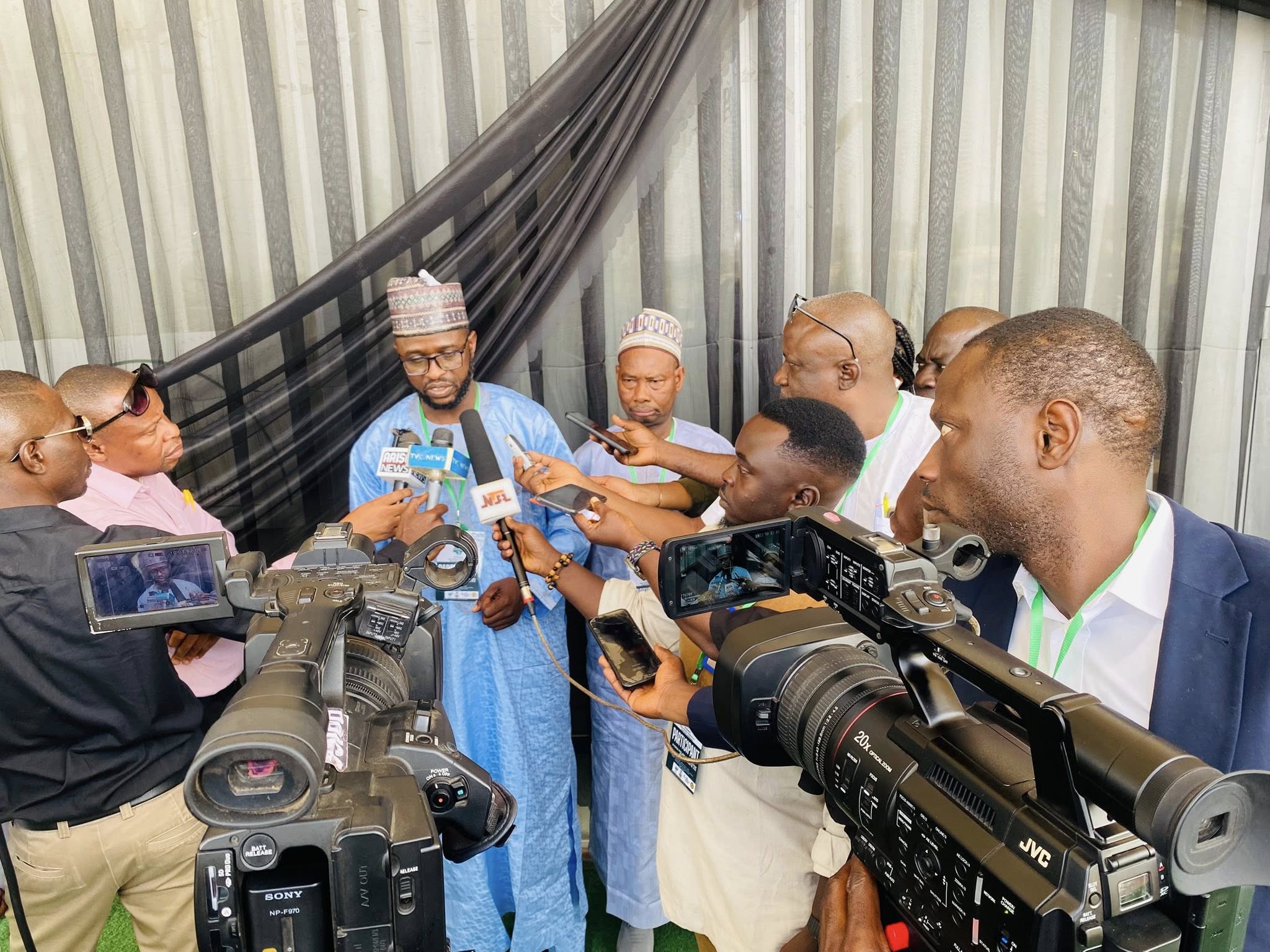
Abdulhamid Umar, National Project Coordinator for ACReSAL, conveyed through the Project Financial Management Specialist Alhaji Abdullaziz Abubakar that the Pre‑MTR is a stepping stone toward the full MTR, which will evaluate on‑ground progress and identify needed adjustments to ensure the PDOs are met. He emphasized that the exercise is crucial for real‑time course‑correction and for keeping the project aligned with its targets.
Earlier, Mr. Garba Gonkol, Plateau State Project Coordinator for ACReSAL, welcomed participants, highlighting that the Pre‑MTR is a significant milestone in the project’s implementation journey. His remarks underscored the importance of collective engagement and ownership at the state level.
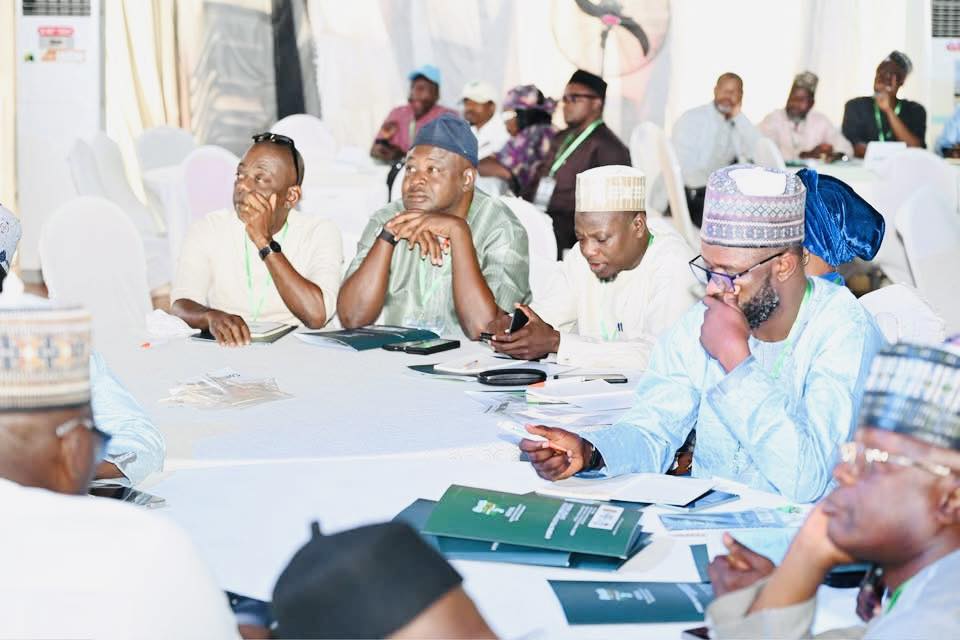
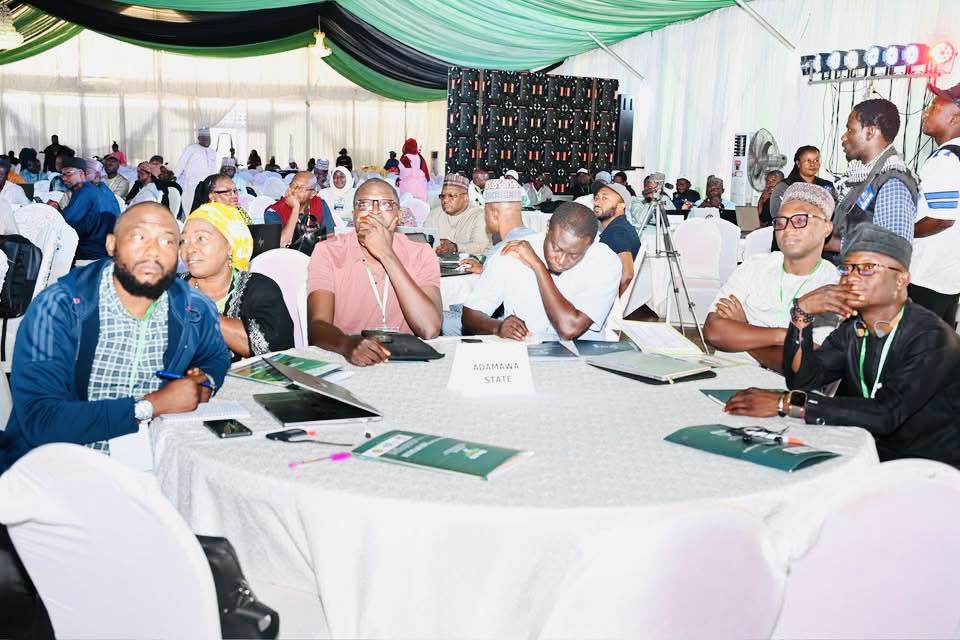
Today, the mission team conducted a thorough review of project documents and engaged in a robust discussion on the requirements for conducting the full MTR. They examined holistic project results across all components, noting areas where targets have been exceeded and pinpointing where additional effort is needed.
Overall, the Pre‑MTR mission is positioning ACReSAL to deliver stronger outcomes, with clear documentation of achievements, baseline data utilization, and a roadmap for adjustments that will keep the project firmly on track toward meeting its development objectives.
ACReSAL, greening the environment, saving lives.