Stakeholders Endorse Revised Project Implementation Manual to Drive Next Phase of ACReSAL Landscape Restoration and Community Resilience
November 19, 2026
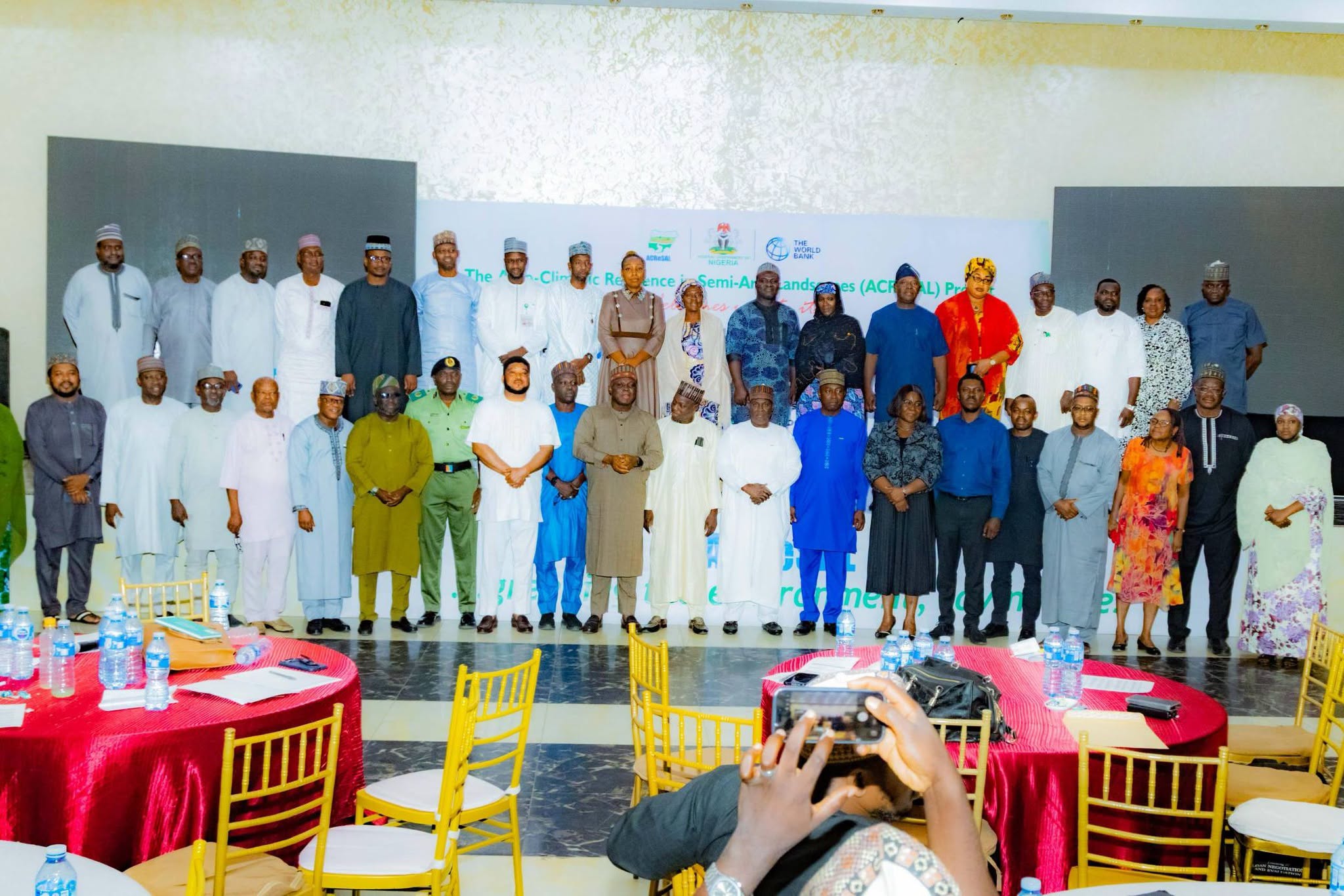
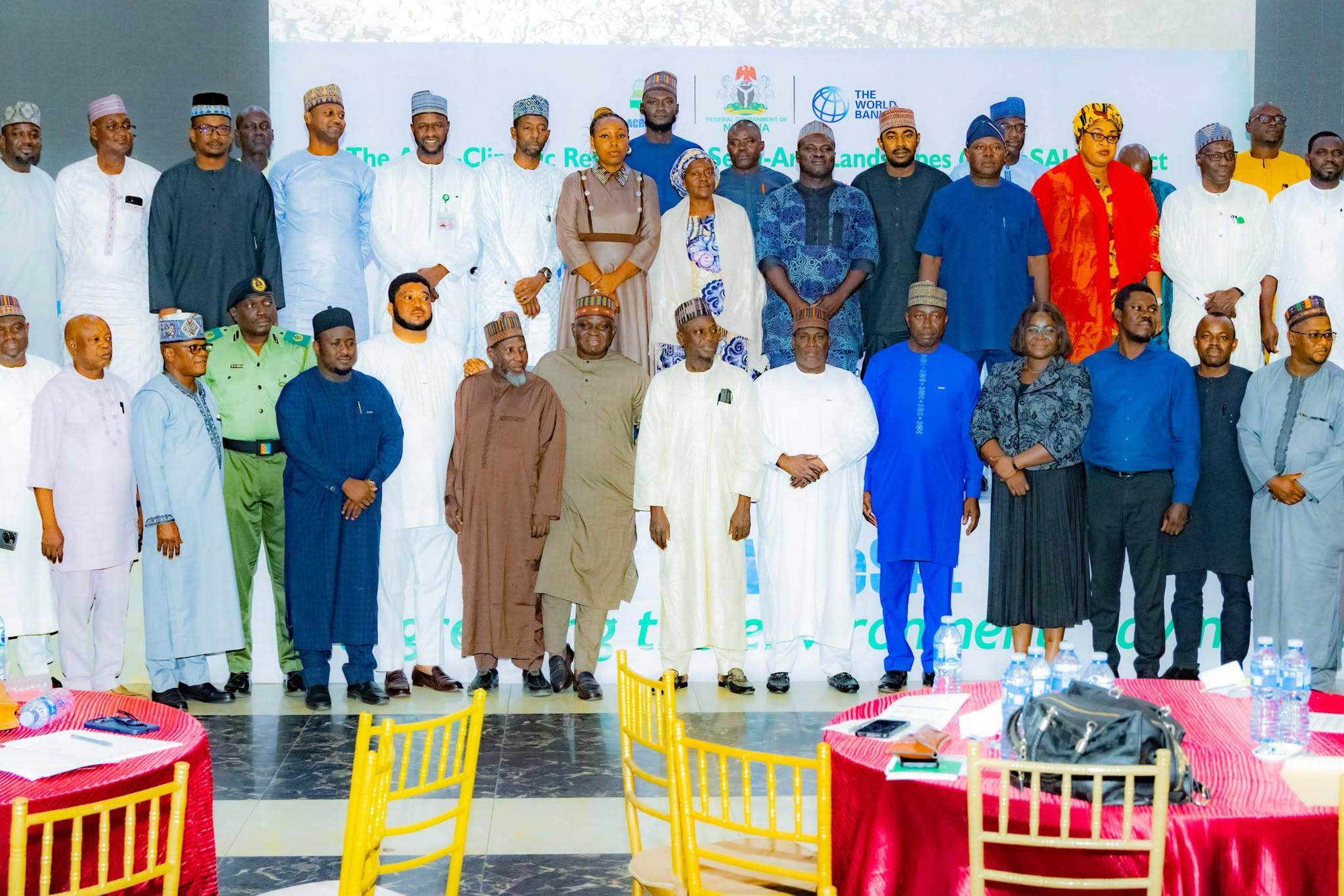
Key institutional stakeholders, federal ministries, participating state representatives have formally endorsed the revised Project Implementation Manual (PIM) for the Agro-Climatic Resilience in Semi-Arid Landscapes (ACReSAL) Project, clearing a major operational milestone for the rollout of the project’s Additional Financing phase.
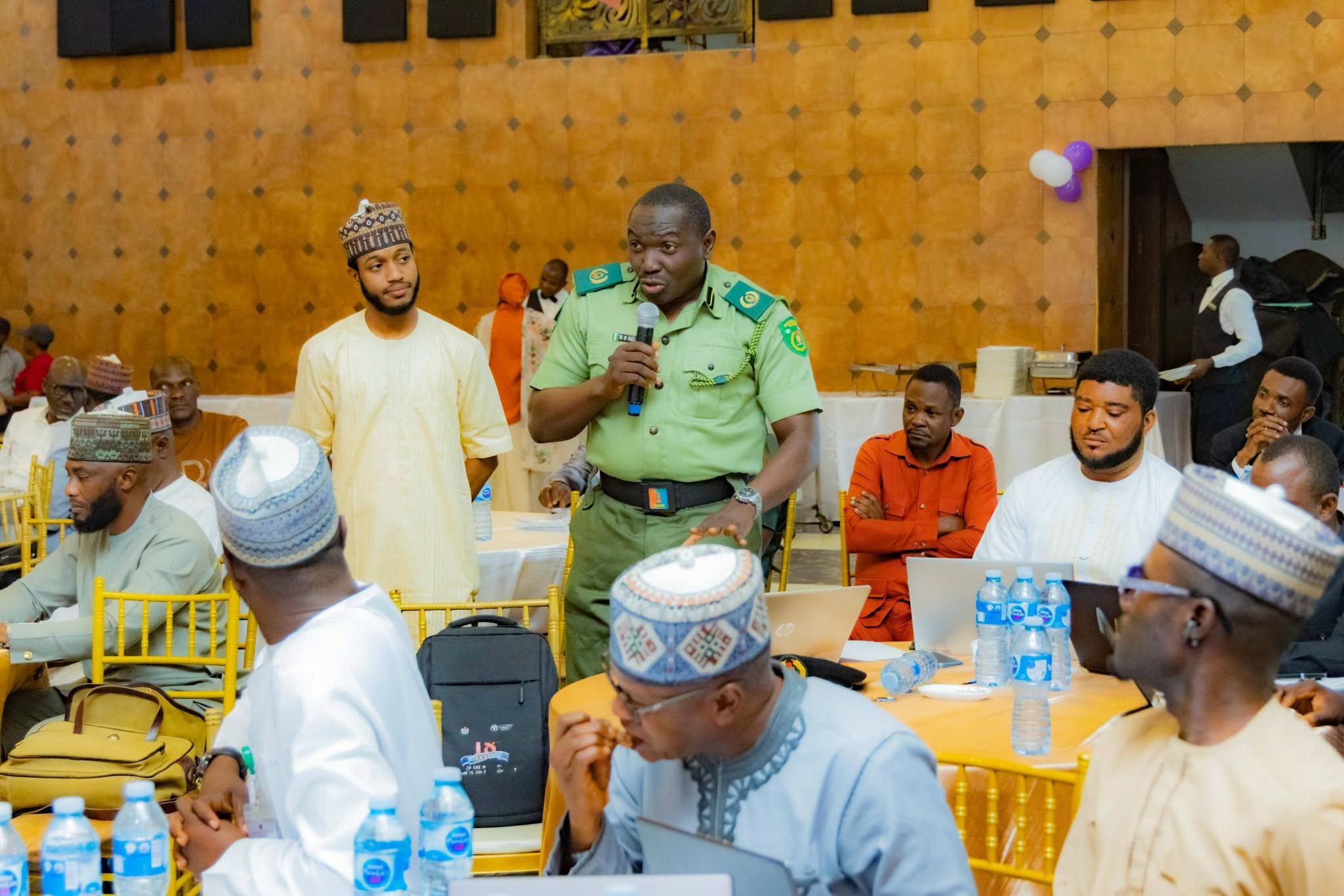
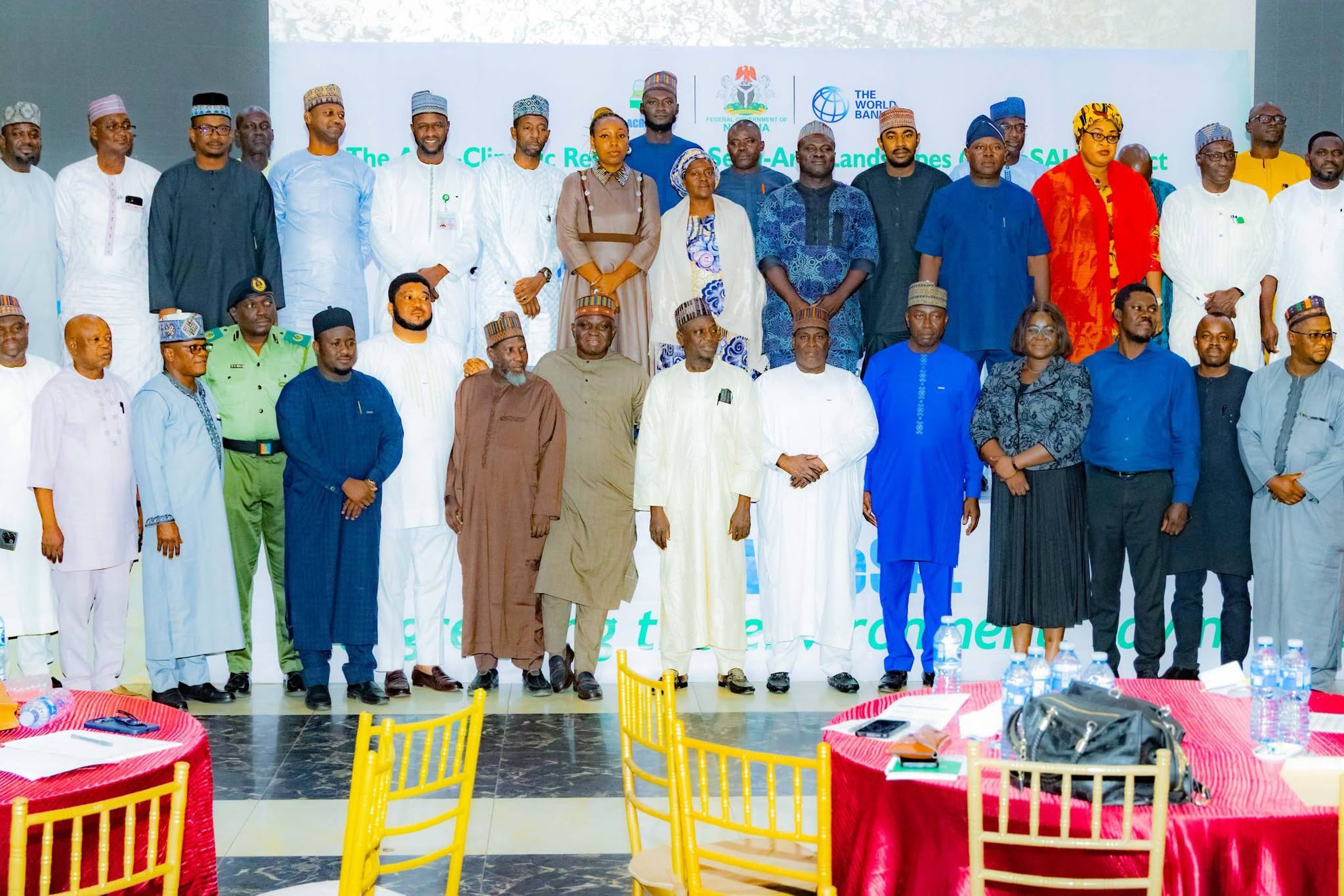
The endorsement followed a high-level validation meeting held in Abuja on Thursday, November 19, 2026, convened and chaired by the Federal Ministry of Finance (FMF). Recognizing the PIM as a living document open to periodic review and stakeholder observations, participants adopted the validation resolution and signed the validation statement to pave the way for transmission to the World Bank for formal No-Objection.
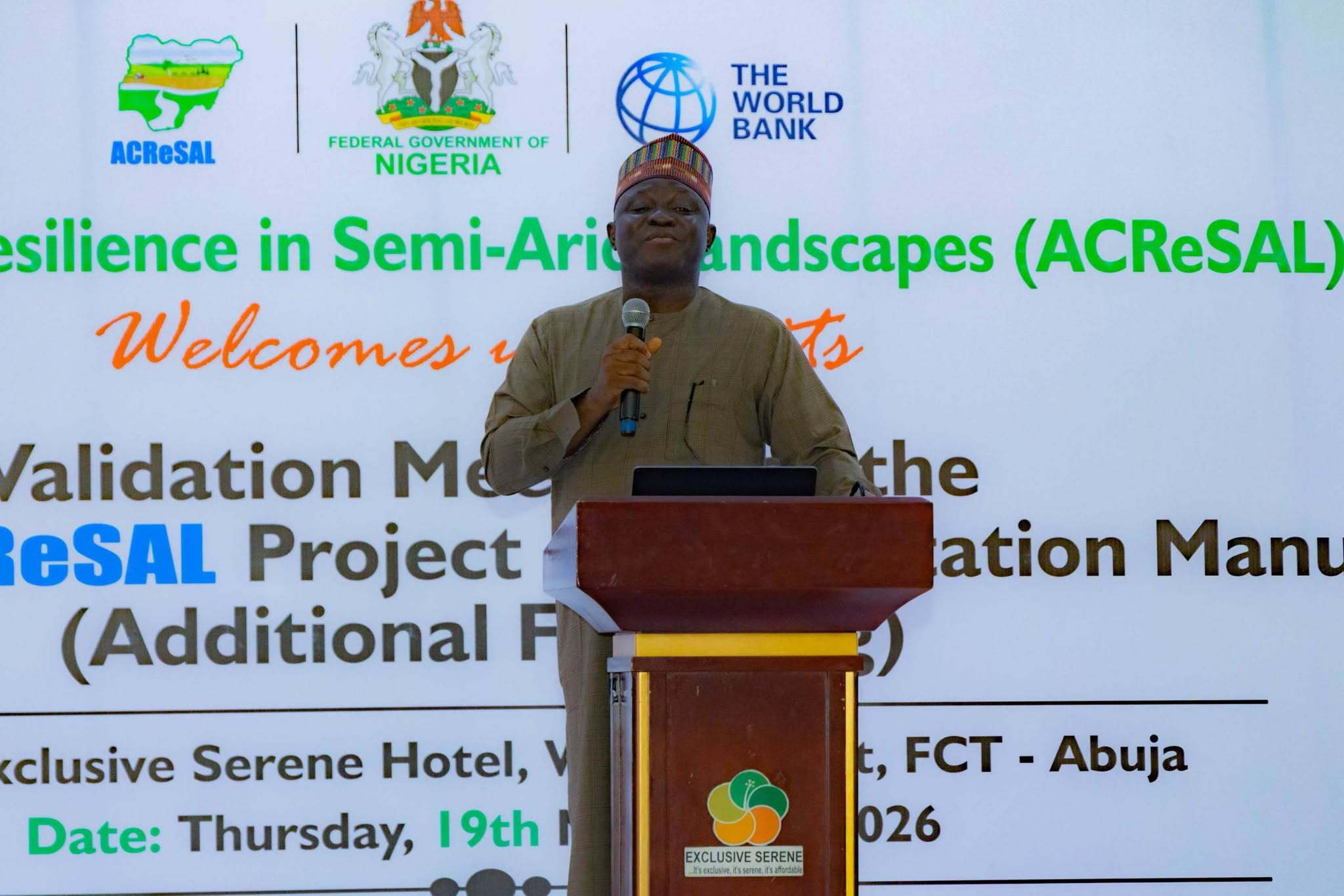
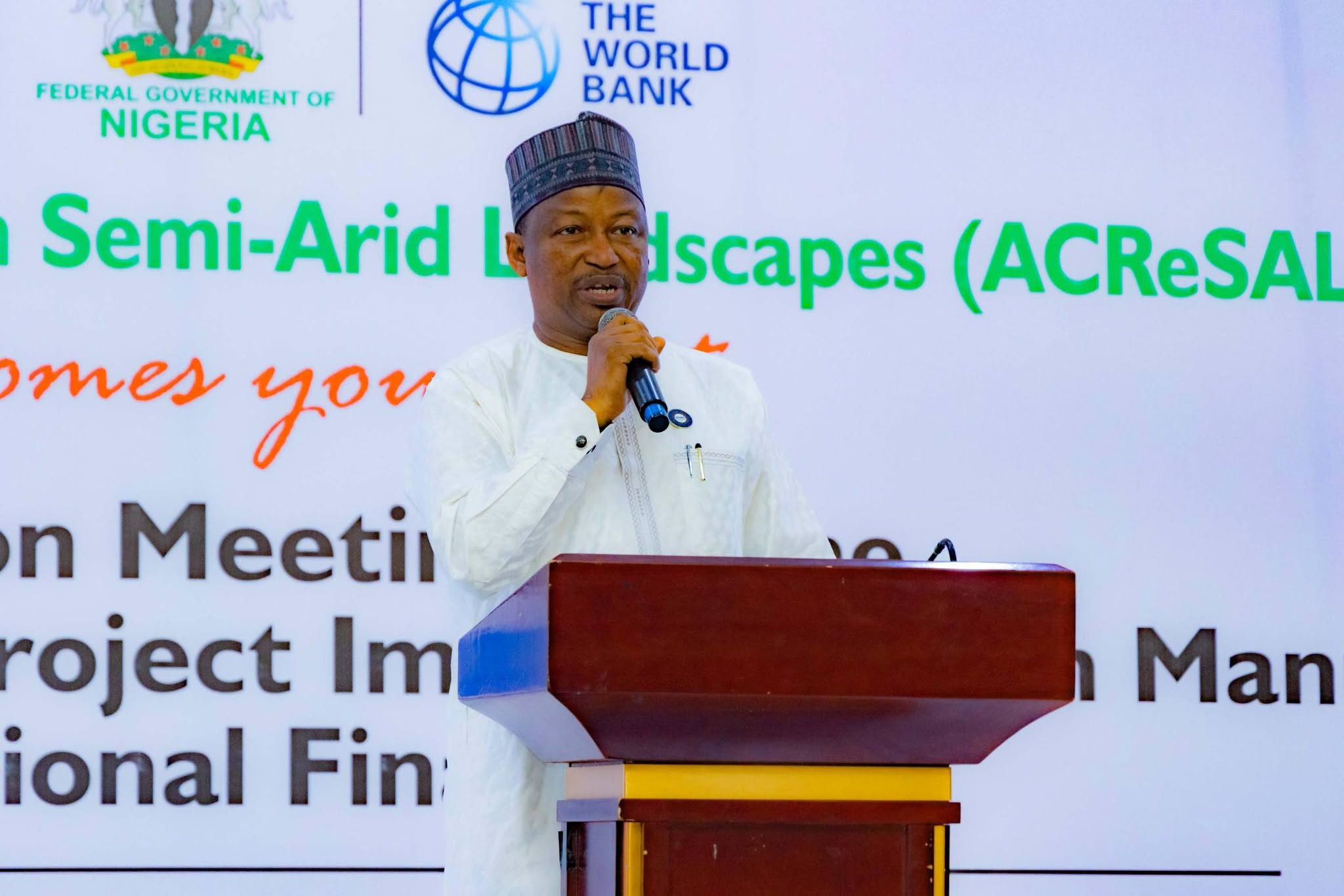
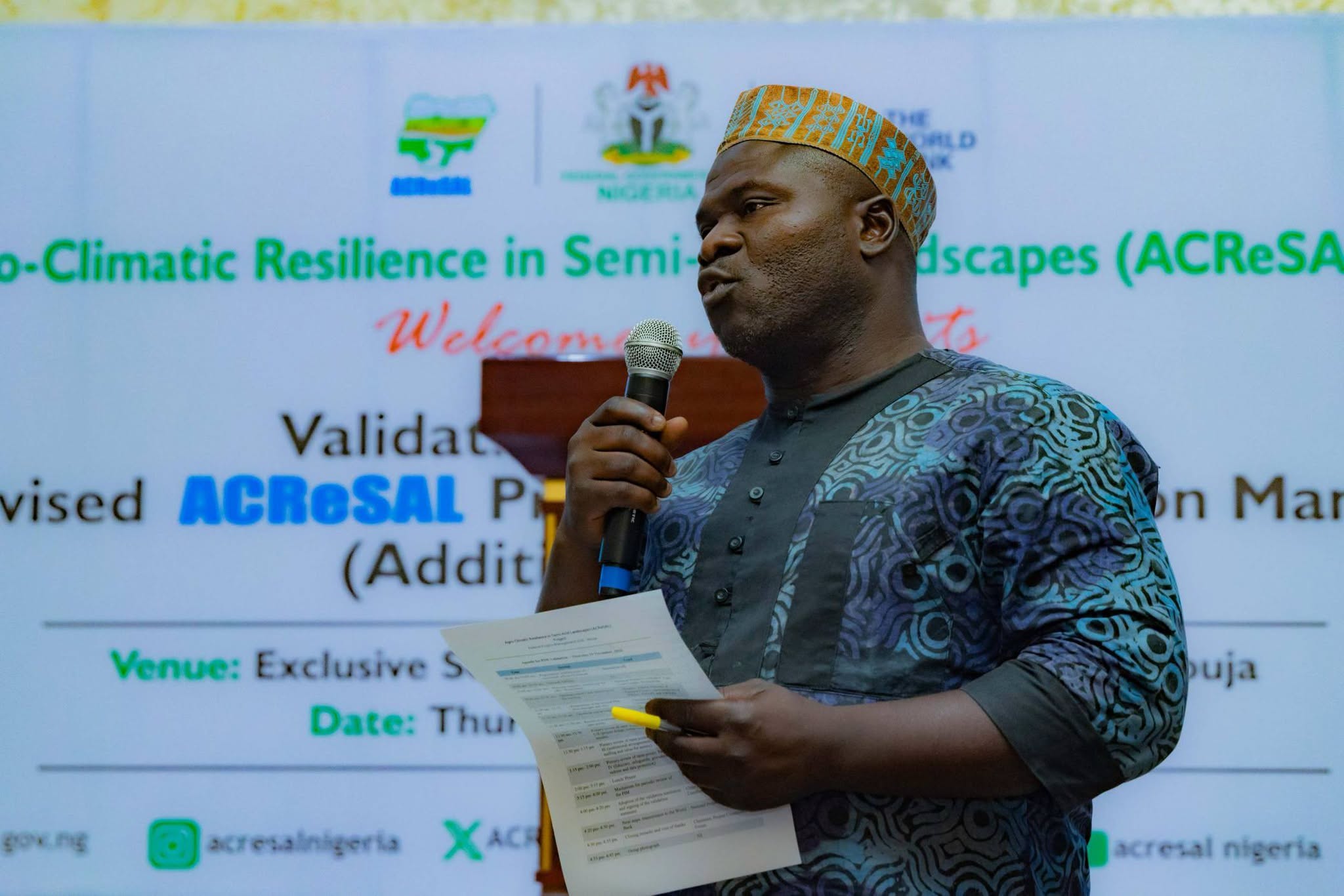
Speaking at the session, the National Project Coordinator (NPC) of ACReSAL, Dr. Abdulhamid Umar—represented by the Financial Management Specialist, Mr. Abdulaziz Abubakar—emphasized that the updated manual serves as the operational rulebook for the expanded phase of the project, which runs through November 2031 across 19 Northern states and the Federal Capital Territory (FCT).
“With expanded scope and more work ahead, we need clear rules,” Dr. Umar stated. “The Implementation Manual is our rulebook. It defines who does what, how funds move, how works are approved, and how we report. Without an updated Manual, the Additional Financing cannot be implemented effectively.”
Dr. Umar noted that the PIM Review Committee meticulously documented 48 areas of revision from the 2022 manual, providing clear justifications and page references for each update. While feedback and amendments submitted by participating institutions were reviewed and harmonized during plenary sessions, six sensitive matters—including specific personnel arrangements—have been escalated for decision.
He thanked the Federal Ministry of Finance for providing the institutional leadership required to conclude the validation process after two earlier attempts, as well as the Federal Ministries of Environment, Agriculture and Food Security, Water Resources and Sanitation, partner MDAs, and participating states for their commitment.
Delivering remarks on behalf of the World Bank, the Senior Environmental Specialist at the World Bank and Task Team Leader (TTL) for ACReSAL, Dr. Iganya Joy Agene, congratulated Nigeria on securing the Additional Financing, noting that ACReSAL stands as one of the single largest operations globally in the environmental and landscape restoration sector. She explained that revising the PIM is a mandatory requirement to ensure project guidelines align seamlessly with both World Bank operational standards and Nigeria’s country systems while capturing emerging priorities and emergency response needs.
Dr. Agene commended the Federal Ministry of Finance for steering the multi-stage review process—which spanned intensive technical sessions in Abuja and Lagos—and urged continued support toward fulfilling effectiveness conditions, including the signing of the financing agreement, issuance of the legal opinion, and approval of the borrowing plan. She also called on stakeholders to obtain and circulate the World Bank’s February 2026 operational guidelines for Nigeria’s project portfolio, noting that strict adherence to the harmonized rules on project coordination, staffing, and consultancy engagements eliminates ambiguity and ensures smooth execution.
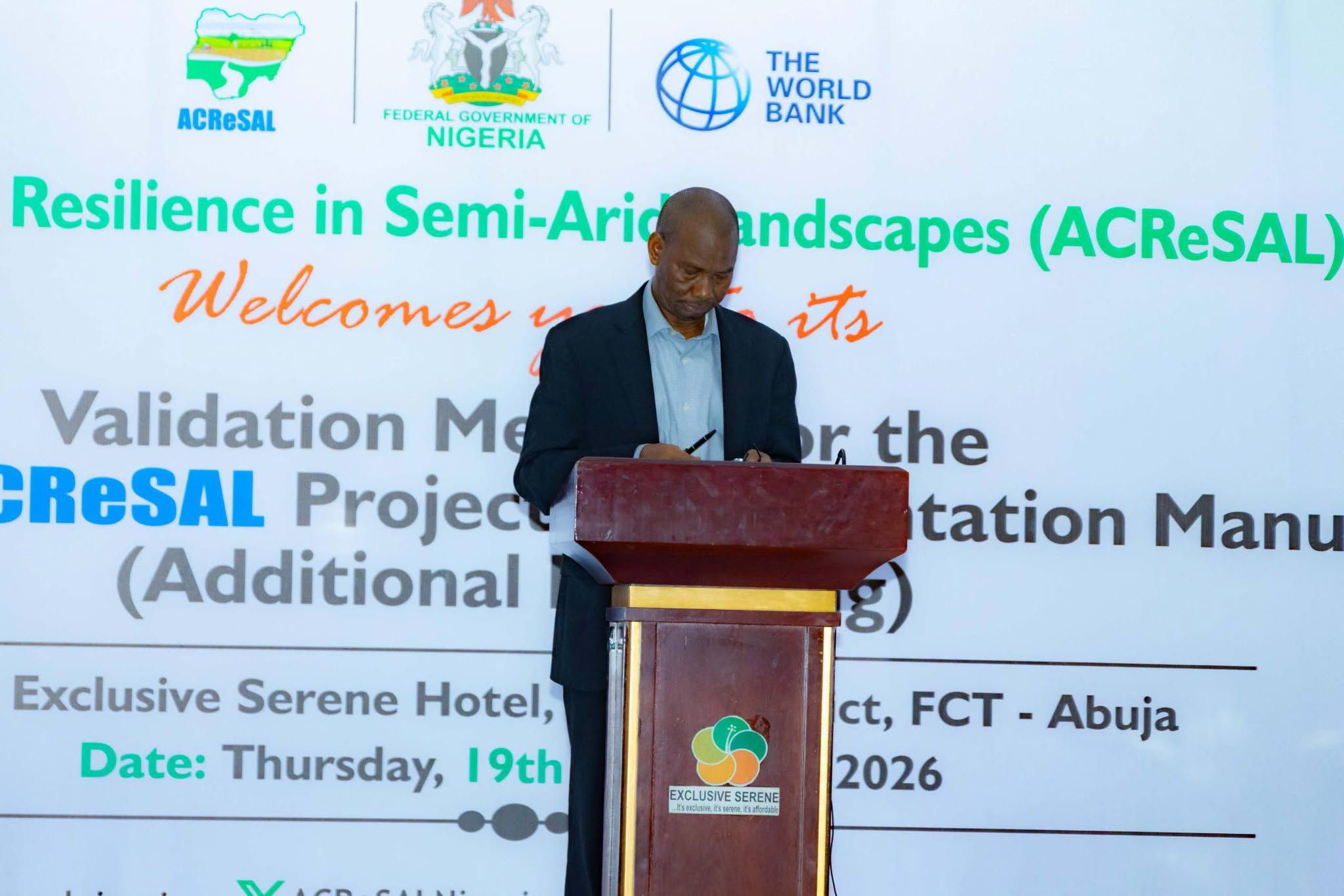
Representing the Chairman of the occasion—the Director, International Economic Relations Department (IERD), Federal Ministry of Finance—the Deputy Director (IDA), Mr. Alkali Mustapha Bello, urged participants to treat the review as a critical national assignment. He affirmed that operating strictly within agreed terms and conditions guarantees swift project implementation, reiterating the Ministry of Finance’s continued support and oversight mandate to ensure strict Value for Money across all project activities.
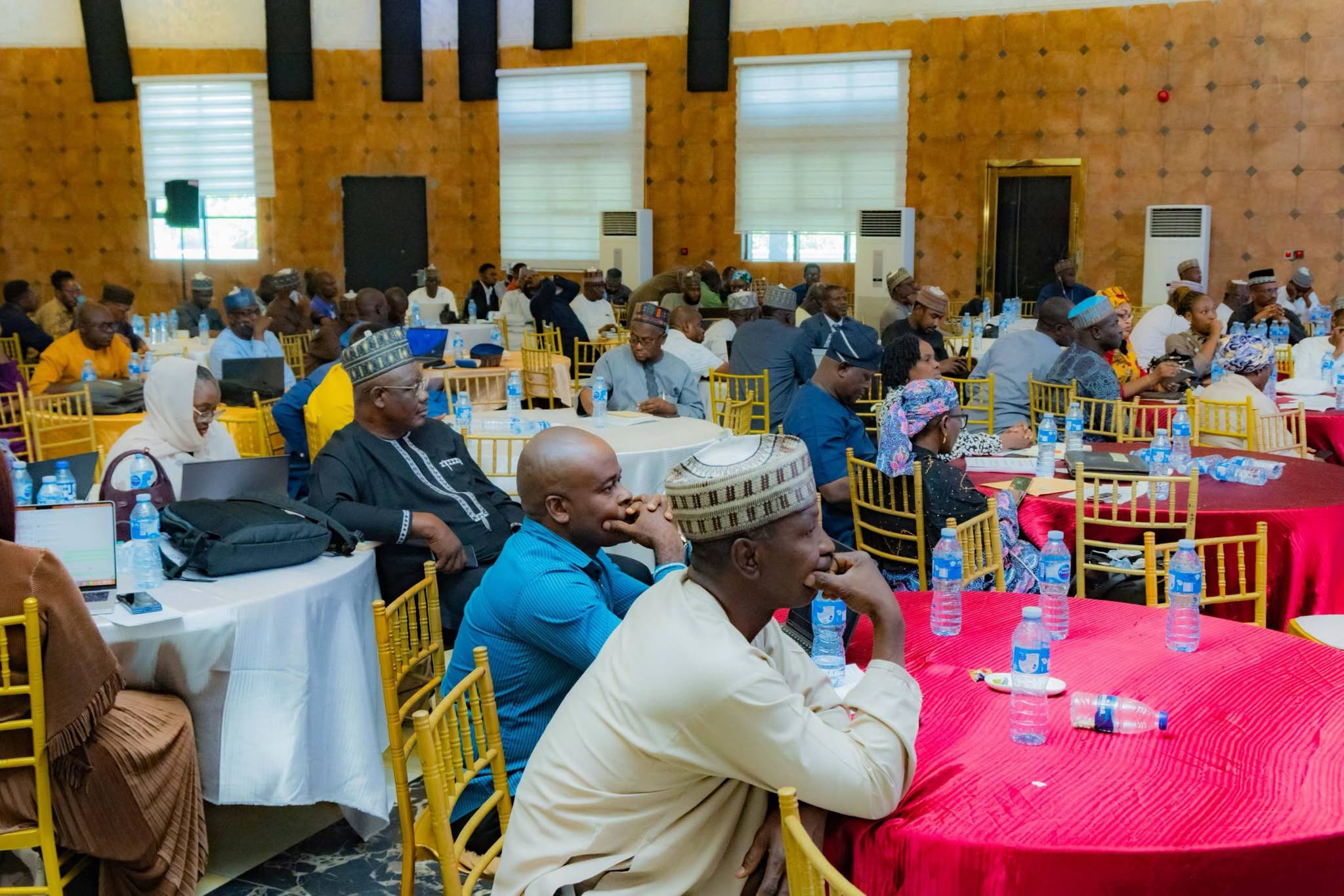
During the technical session, the Chairman of the PIM Review Committee and Operations Specialist, Mr. Sule, presented the proposed revisions, outlining the rationale behind updates across project design, institutional arrangements, fiduciary management, environmental and social safeguards, grievance redress, and data protection.
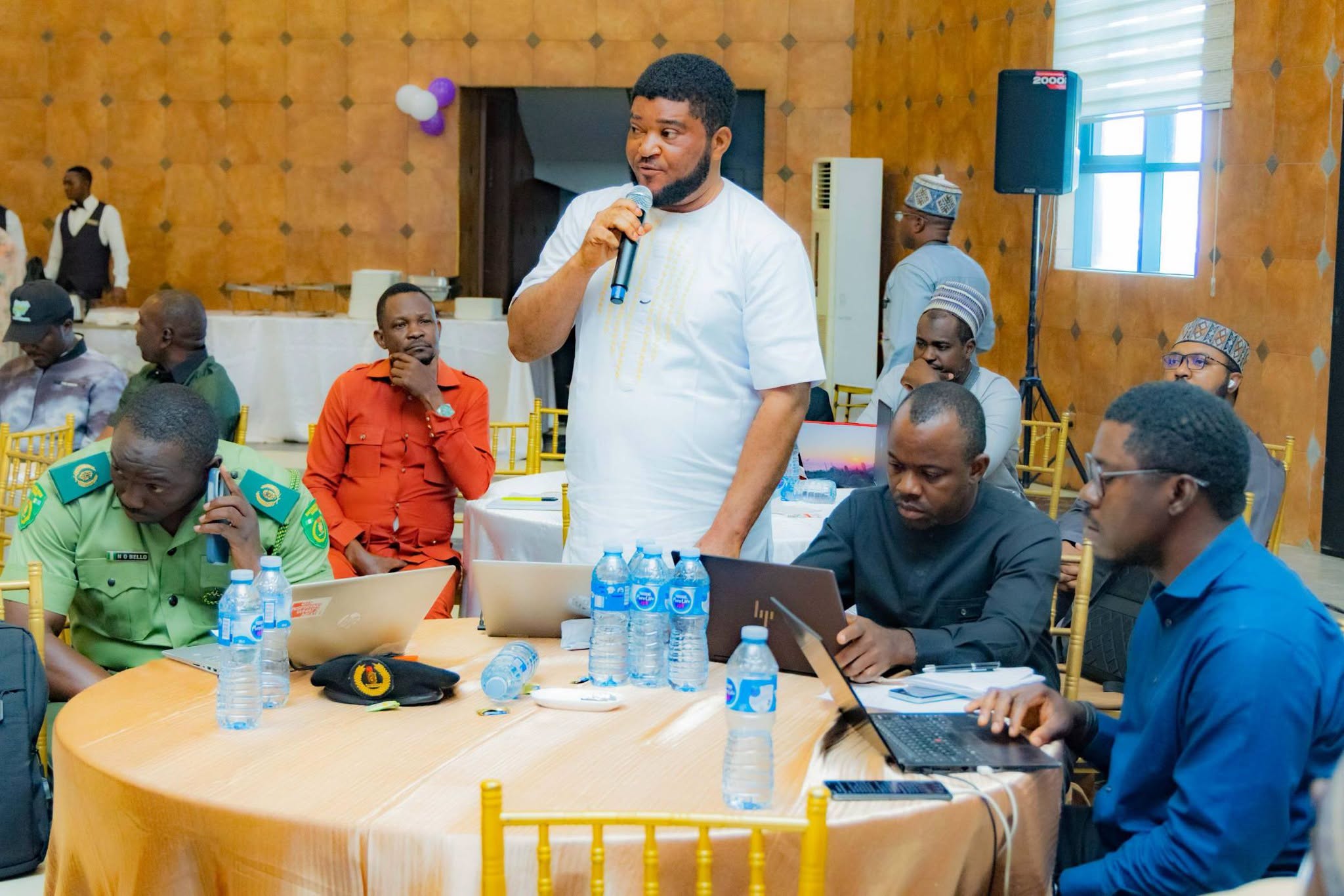
Following robust plenary deliberations on staffing rationalization, institutional mandates, engagement of retired personnel, gender mainstreaming, and environmental compliance, Mr. Sule clarified that the review was designed to strengthen—rather than discard—the project’s foundational framework. He assured stakeholders that their observations on institutional alignment and emerging policy realities are duly accommodated within the living document framework.
With the validation statement formally signed at the close of the meeting, the revised PIM will now be transmitted to the World Bank for No-Objection, enabling participating states and federal implementing agencies to accelerate field-level delivery.
Signed:
Jane Ozuruoke, mnipr
Communication and Public Relations Specialist
ACReSAL Federal Project Management Unit (FPMU), Abuja