SUSTAINABLE IMPACT: ENVIRONMENT MINISTER ADVOCATES INSTITUTIONALISING ACReSAL GAINS
October 29, 2026
The Minister of Environment, Mallam Balarabe Abbas Lawal, has emphasized the need to institutionalize the achievements of the Agro-Climatic Resilience in Semi-Arid Landscapes (ACReSAL) Project to ensure the sustainability of its environmental restoration and climate resilience interventions beyond the project’s lifespan.
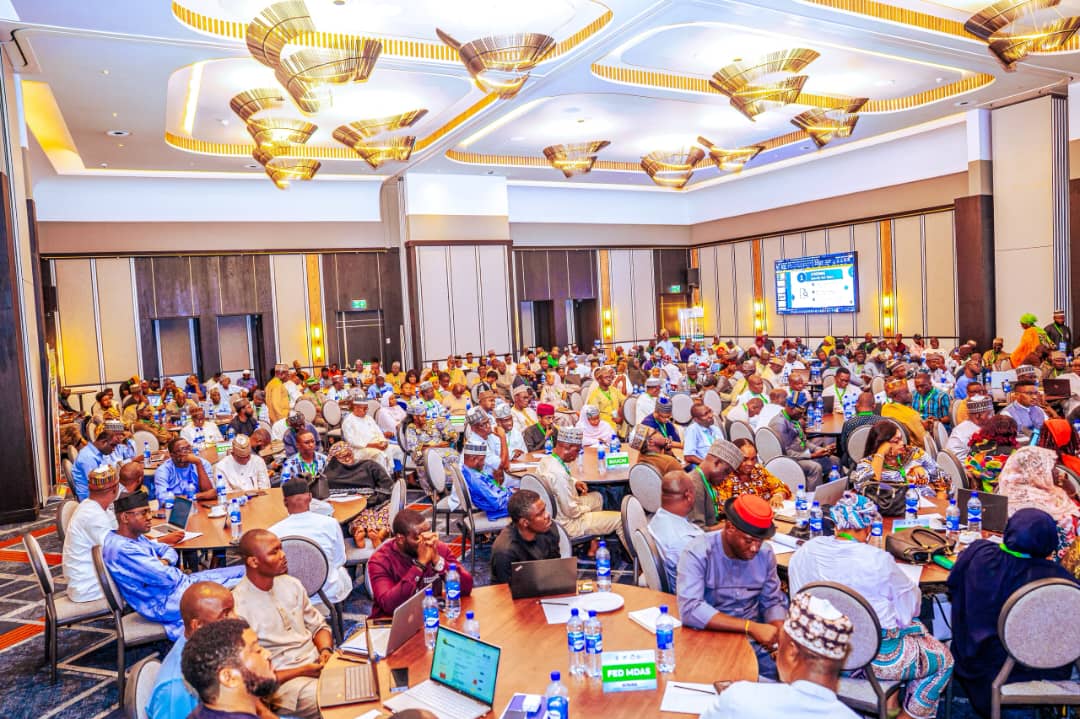
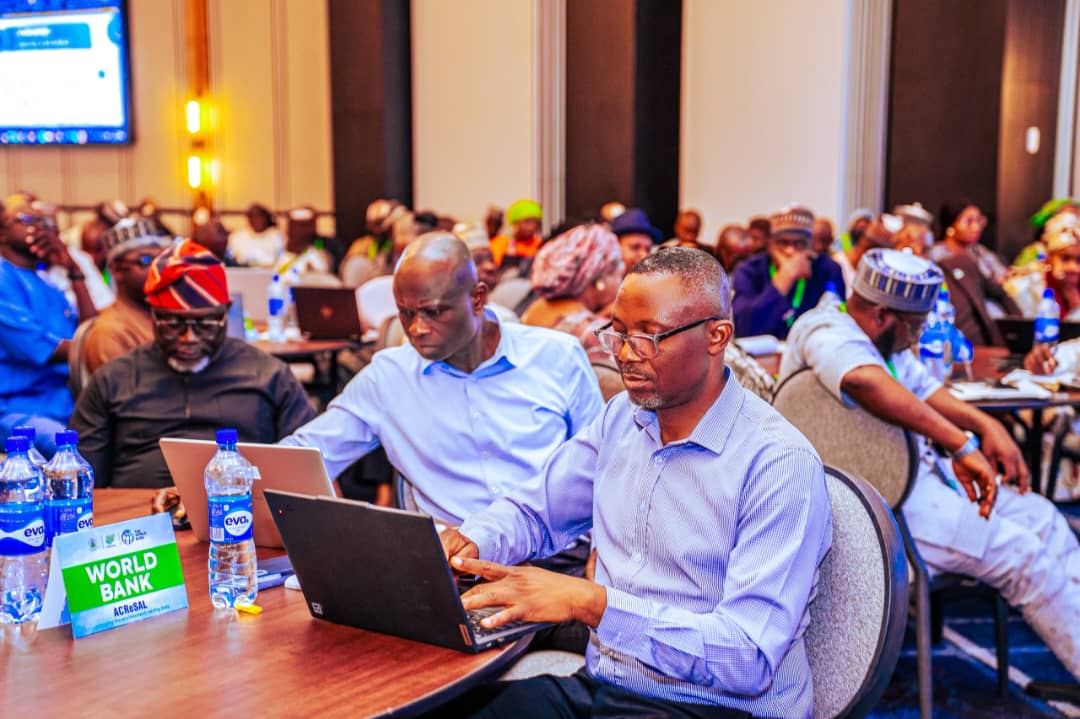
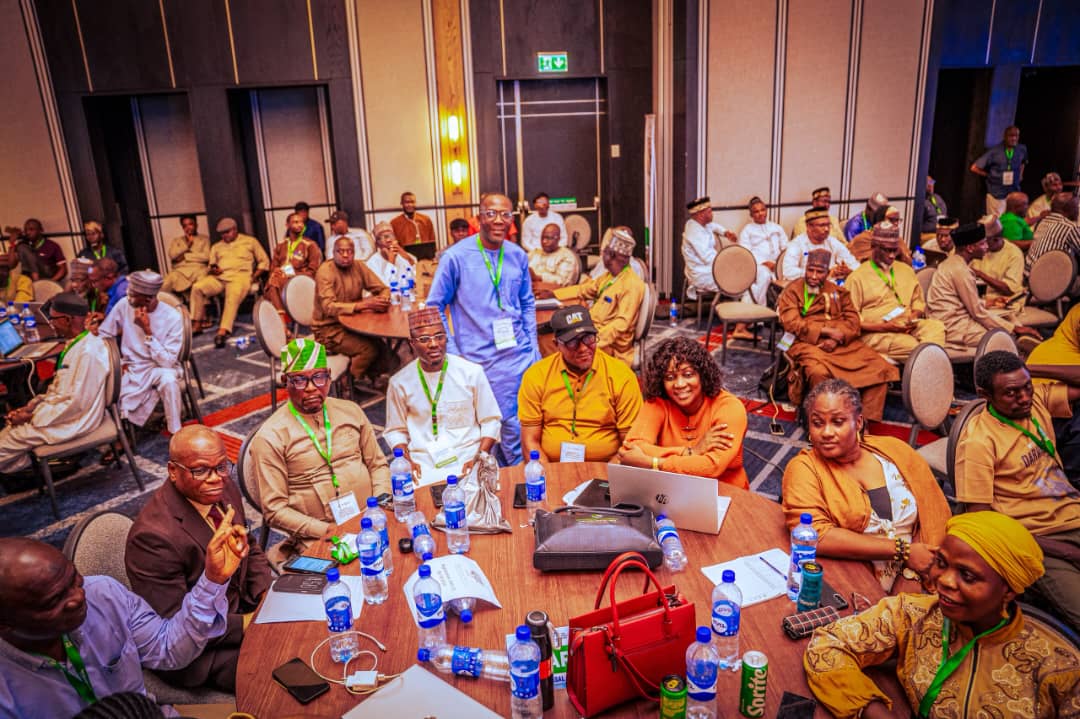
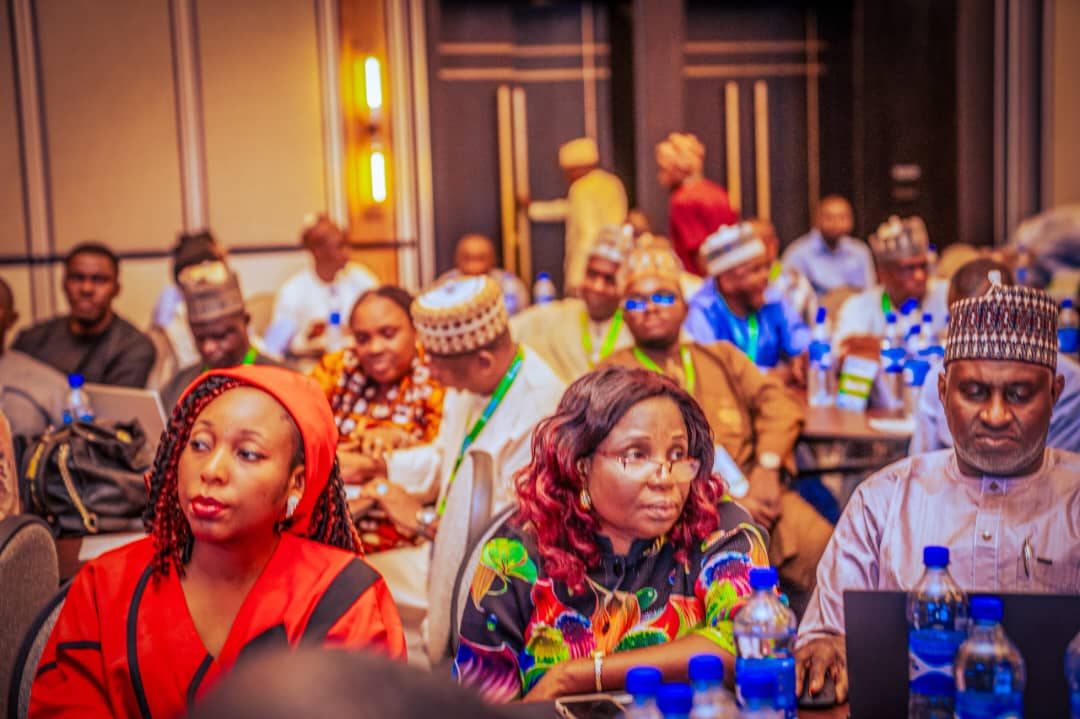
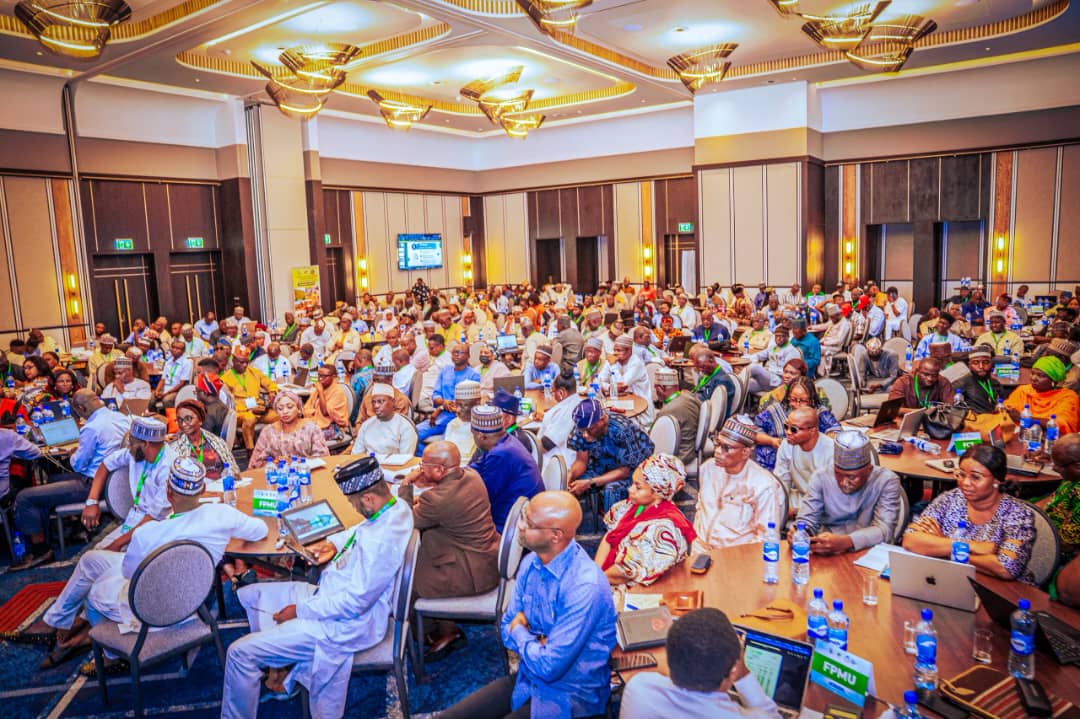
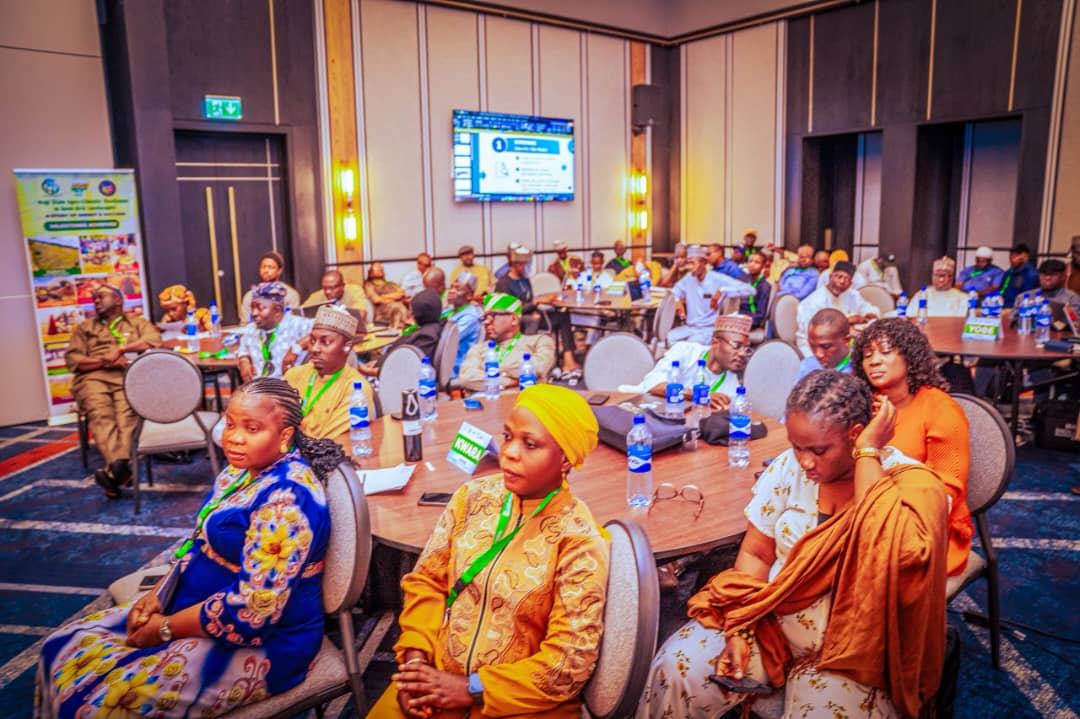
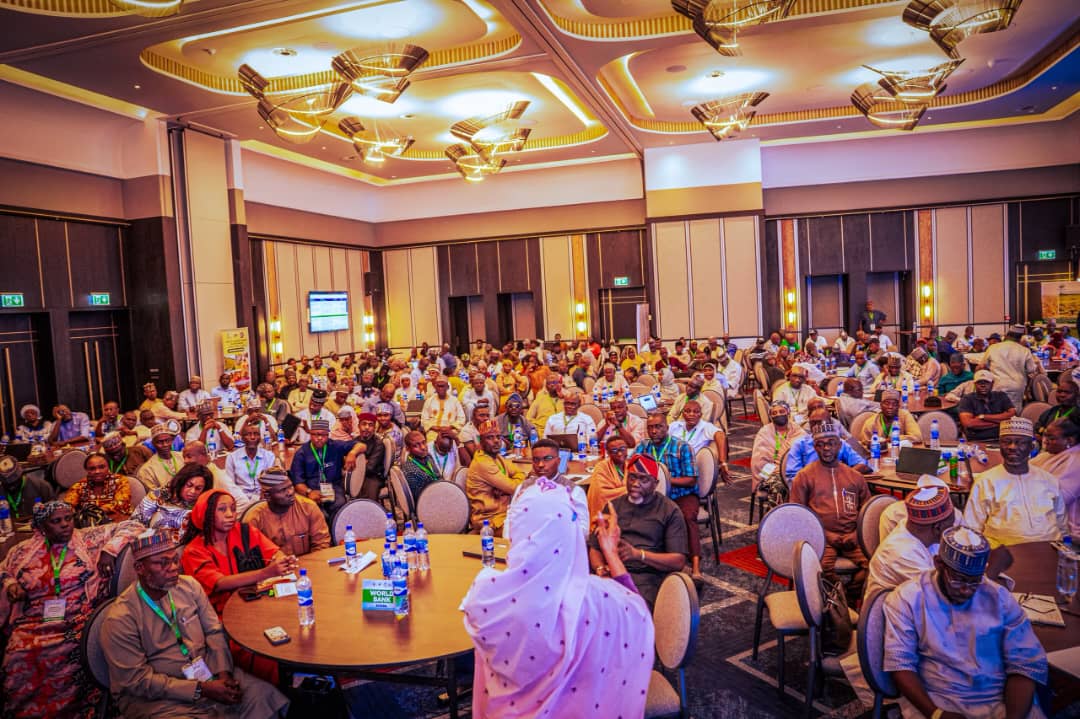
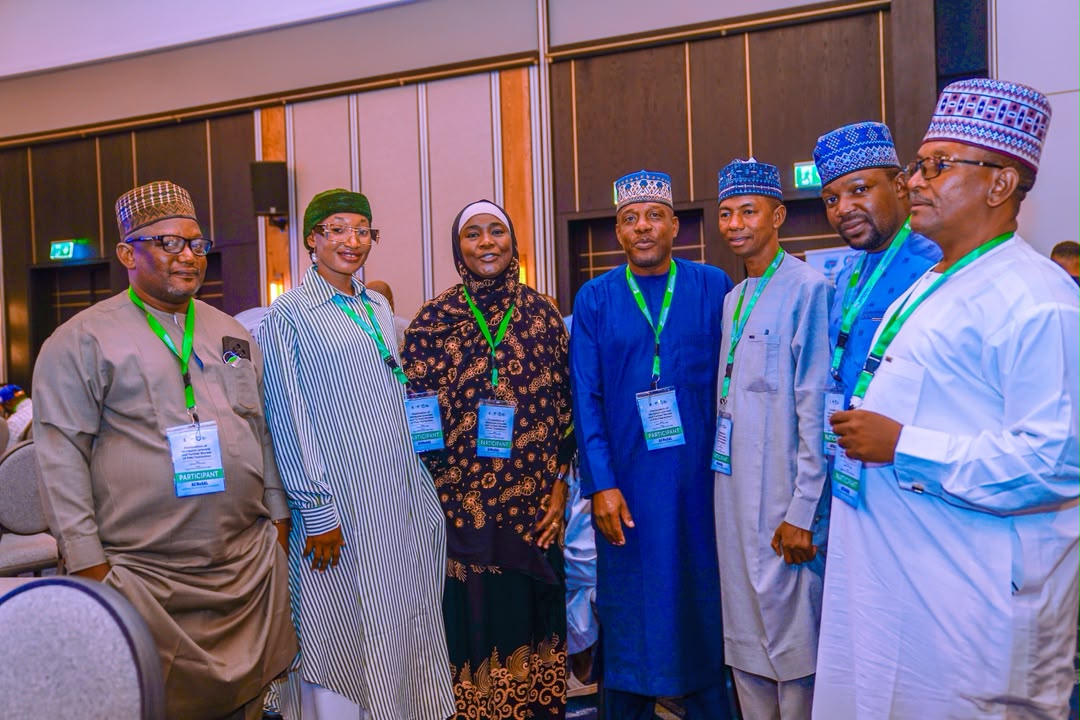
The Minister stated this on Day Three of the ongoing ACReSAL work plan finalization and review of the Project Implementation Manual (PIM 2.0), where stakeholders are deliberating on strategies to strengthen implementation, improve coordination, and sustain the project’s impact.
Represented by the Green Bond Coordinator, Olaitan Fajuyitan, the Minister noted that the Federal Government’s priority is to translate ACReSAL’s achievements into a permanent institutional framework embedded within existing governance structures. He stressed that this would ensure the continuity of critical land restoration, environmental protection, and climate resilience initiatives long into the future.
He commended the World Bank and the ACReSAL implementation teams for the remarkable milestones recorded over the past four years.
In a presentation during the plenary session, Chief Meteorologist at the Nigerian Meteorological Agency (NiMet), A’ishatu Silas-Dikko, highlighted the mutual benefits of the partnership between NiMet and ACReSAL.
She explained that NiMet provides reliable climate data and seasonal forecasts to support evidence-based planning, while ACReSAL offers a practical platform for applying climate information to strategic catchment management, landscape restoration, erosion control, and community resilience.
According to her, the collaboration enables NiMet to extend the reach and practical application of its climate services, while helping ACReSAL improve project planning, mitigate climate-related risks, and deliver more sustainable interventions.
She noted that the partnership demonstrates how climate information can be translated into practical solutions that advance environmental sustainability and strengthen the resilience of vulnerable communities.
Also speaking, the Director of Hydrology at the Federal Ministry of Water Resources and Sanitation, Engr. Abohwo Ngozi J., expressed satisfaction with the quality of work plans prepared by participating states, particularly the clear justification for selecting priority activities from their respective Strategic Catchment Management Plans (SCMPs).
According to her, evidence-based prioritization will ensure that interventions respond directly to identified environmental challenges and deliver measurable results.
The World Bank Task Team Leader, Dr. Joy Iganya Agene, stressed that environmental challenges affecting shared river systems and catchments cannot be effectively addressed by individual states acting in isolation. She emphasized that strong inter-state coordination, collective planning, and the involvement of all relevant stakeholders are essential to achieving sustainable results under ACReSAL.
During discussions on the Environmental and Social Framework (ESF), Elijah Sierekpe highlighted the development of Security Management Plans as a key component of project implementation and an important factor underpinning ACReSAL’s achievements.
He observed that, despite operating for approximately three years in sensitive and volatile environments across the country, the project had recorded zero security-related fatalities. He attributed this achievement to proactive security planning and management in protecting project personnel, communities, and investments.
The day’s activities concluded with a review of the ACReSAL Project Implementation Manual, coordinated by Sule James.
The review highlighted critical cross-cutting priorities aimed at strengthening project delivery, including selective and investment-ready interventions; coordination and assurance; results and evidence; redesigned delivery instruments; personnel and value for money; and new compliance obligations.
The deliberations form part of ACReSAL’s broader efforts to refine its implementation framework, strengthen institutional capacity, and prepare for the next phase of the project, including the proposed Additional Financing.
Through sustained collaboration among the Federal Government, participating states, the World Bank, and key technical stakeholders, ACReSAL continues to advance an integrated approach to land restoration, watershed management, climate resilience, and sustainable community development.