World Bank, Federal Government Target Expanded Climate Resilience as ACReSAL Additional Financing Mission Opens in Bauchi
September 8, 2026
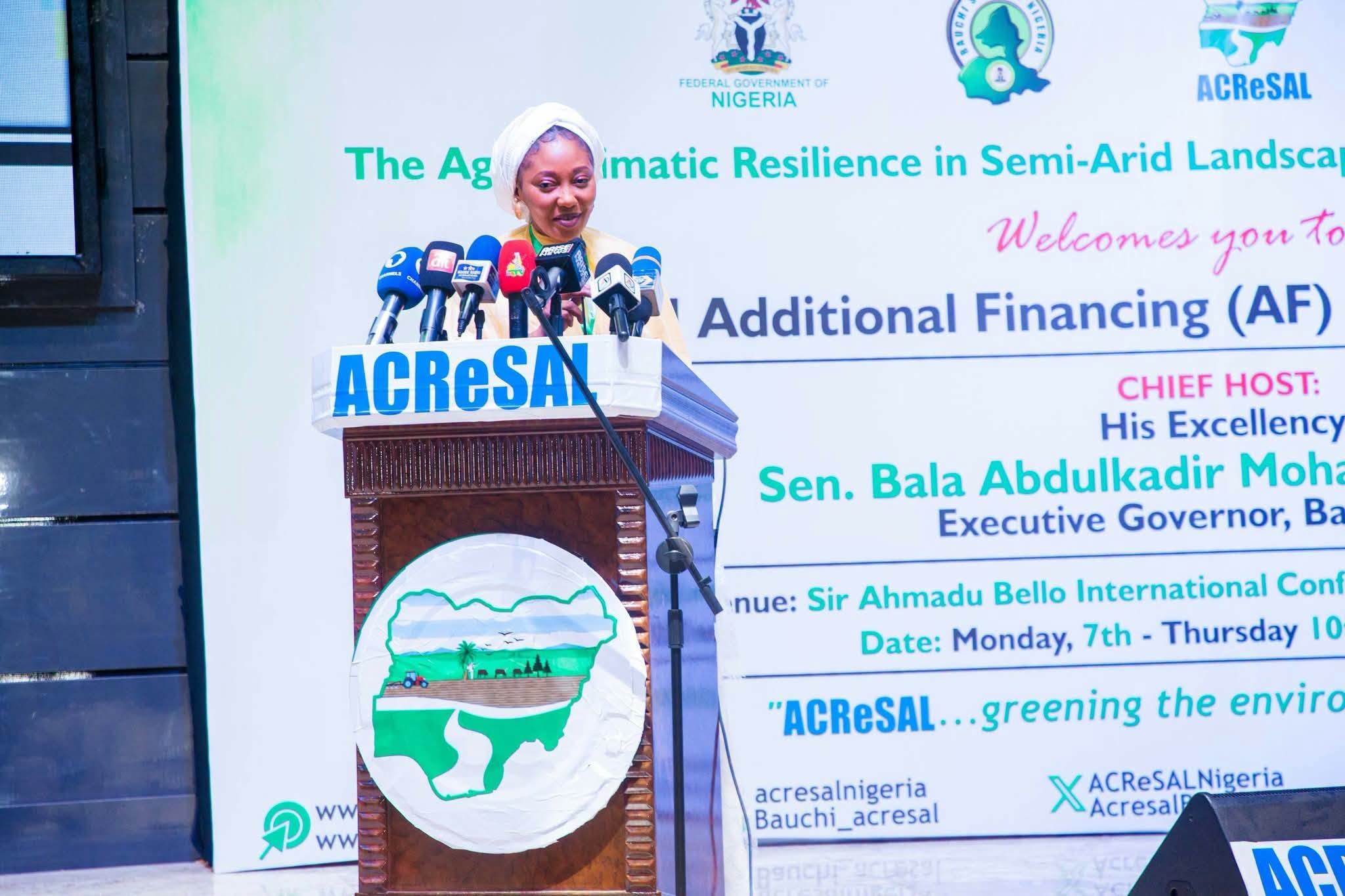
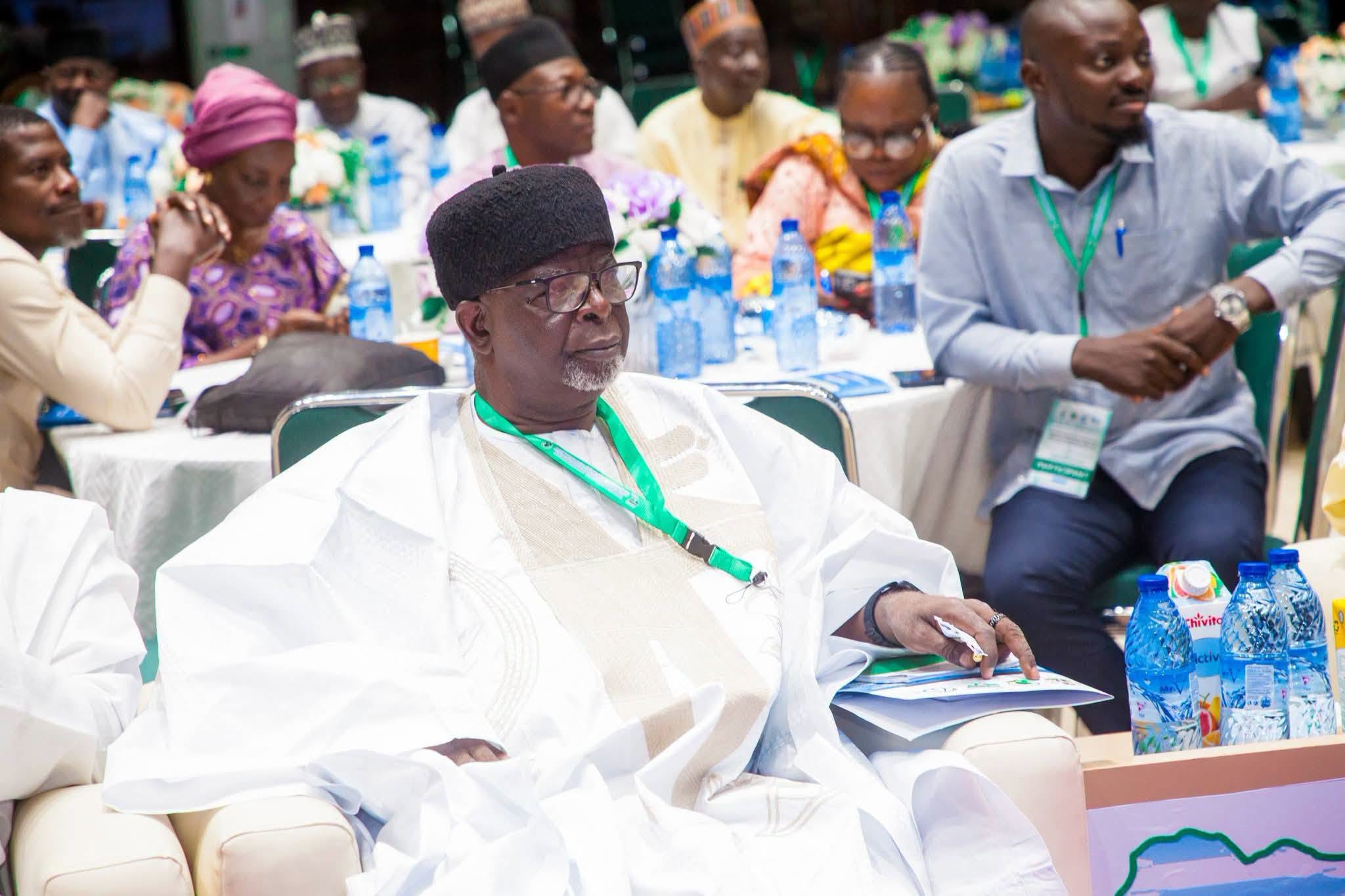
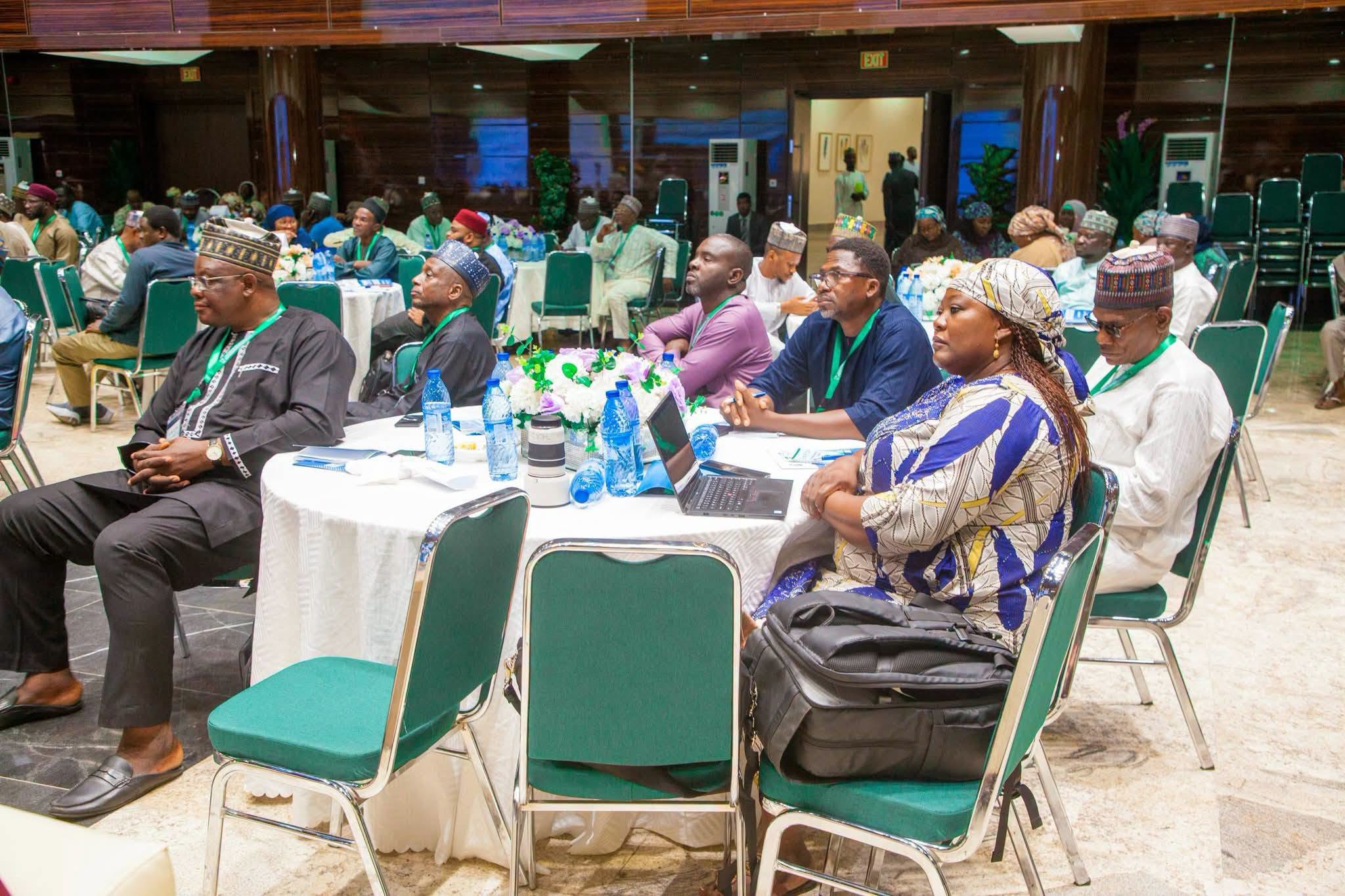
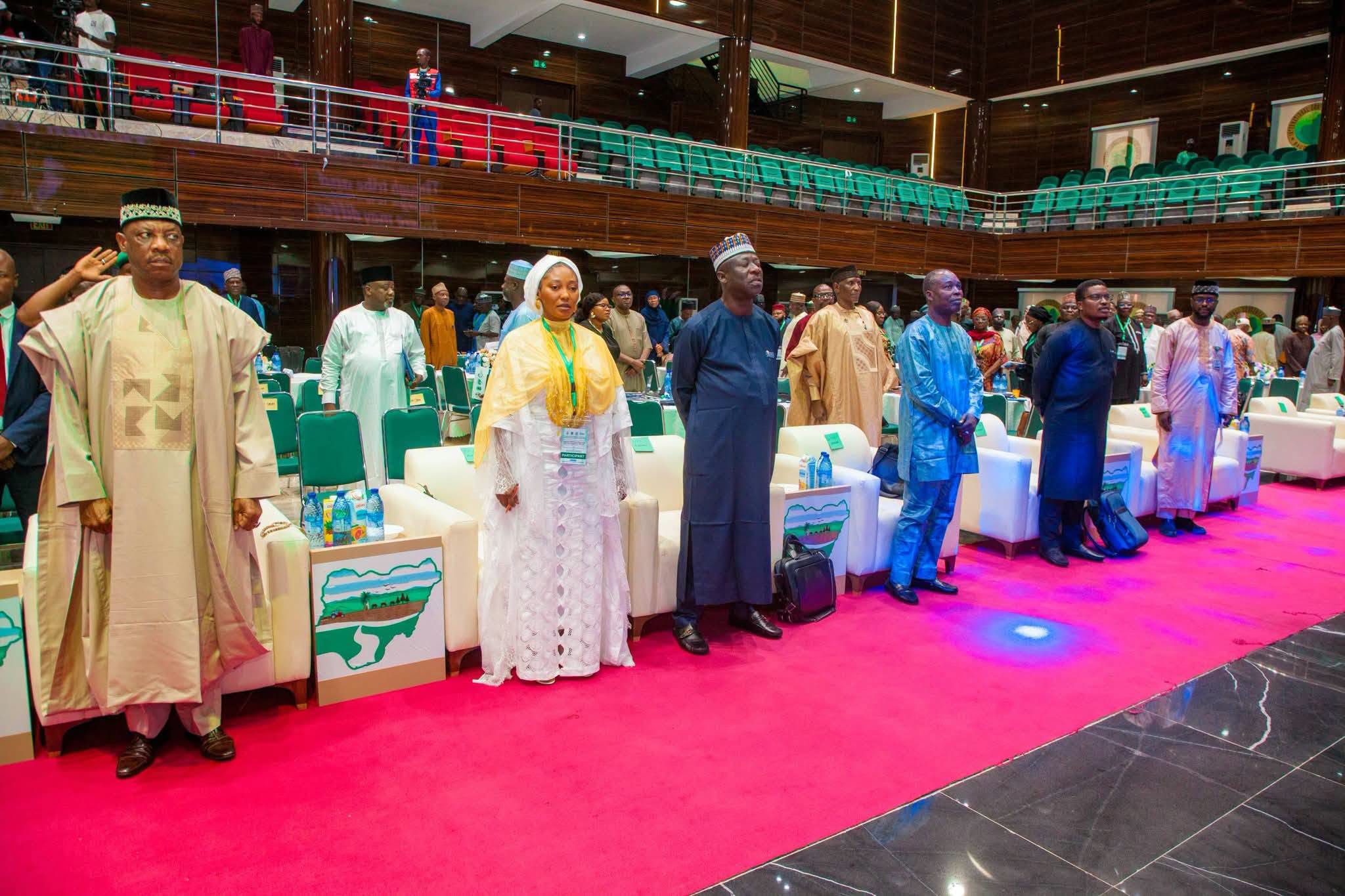
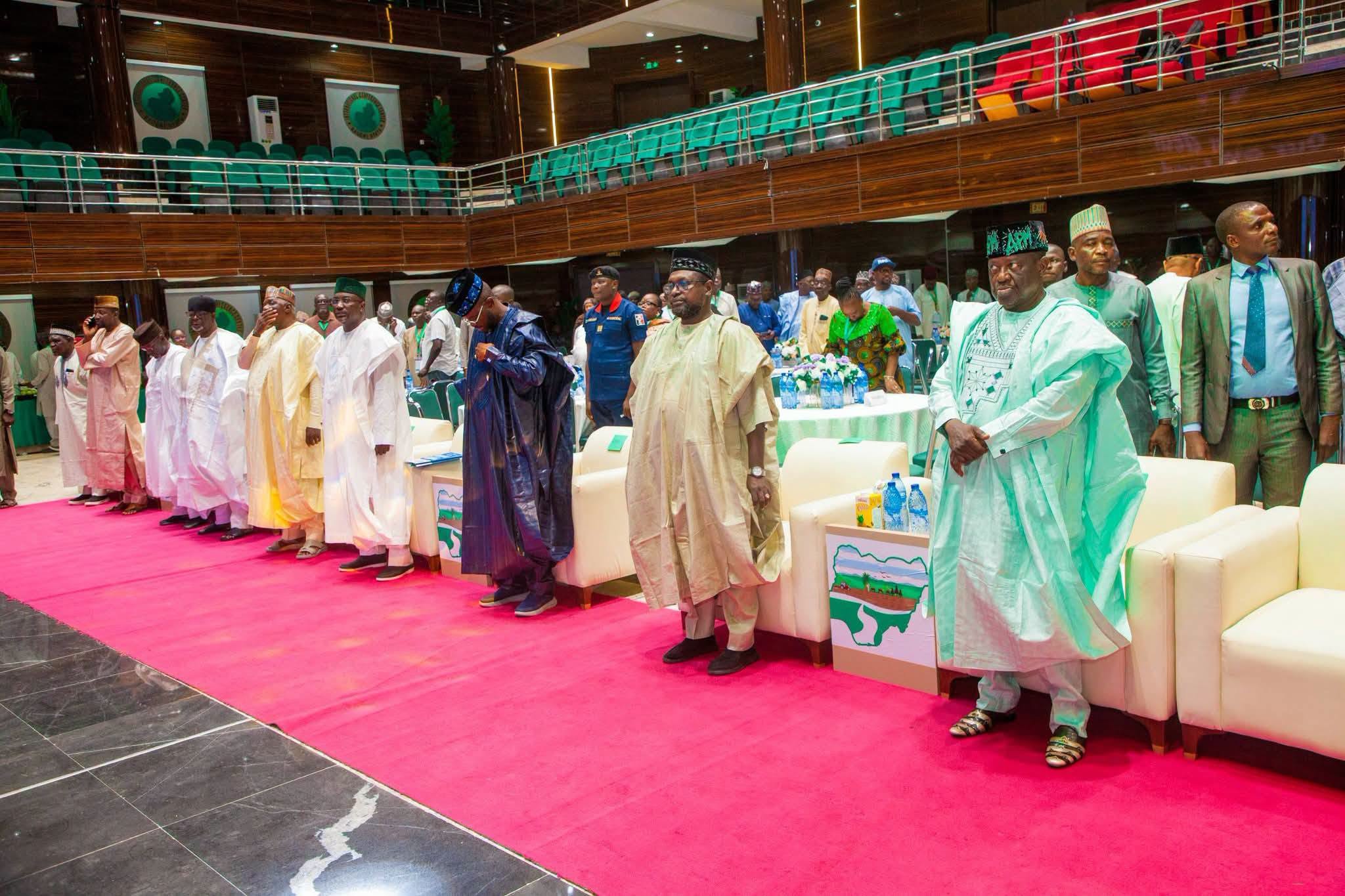
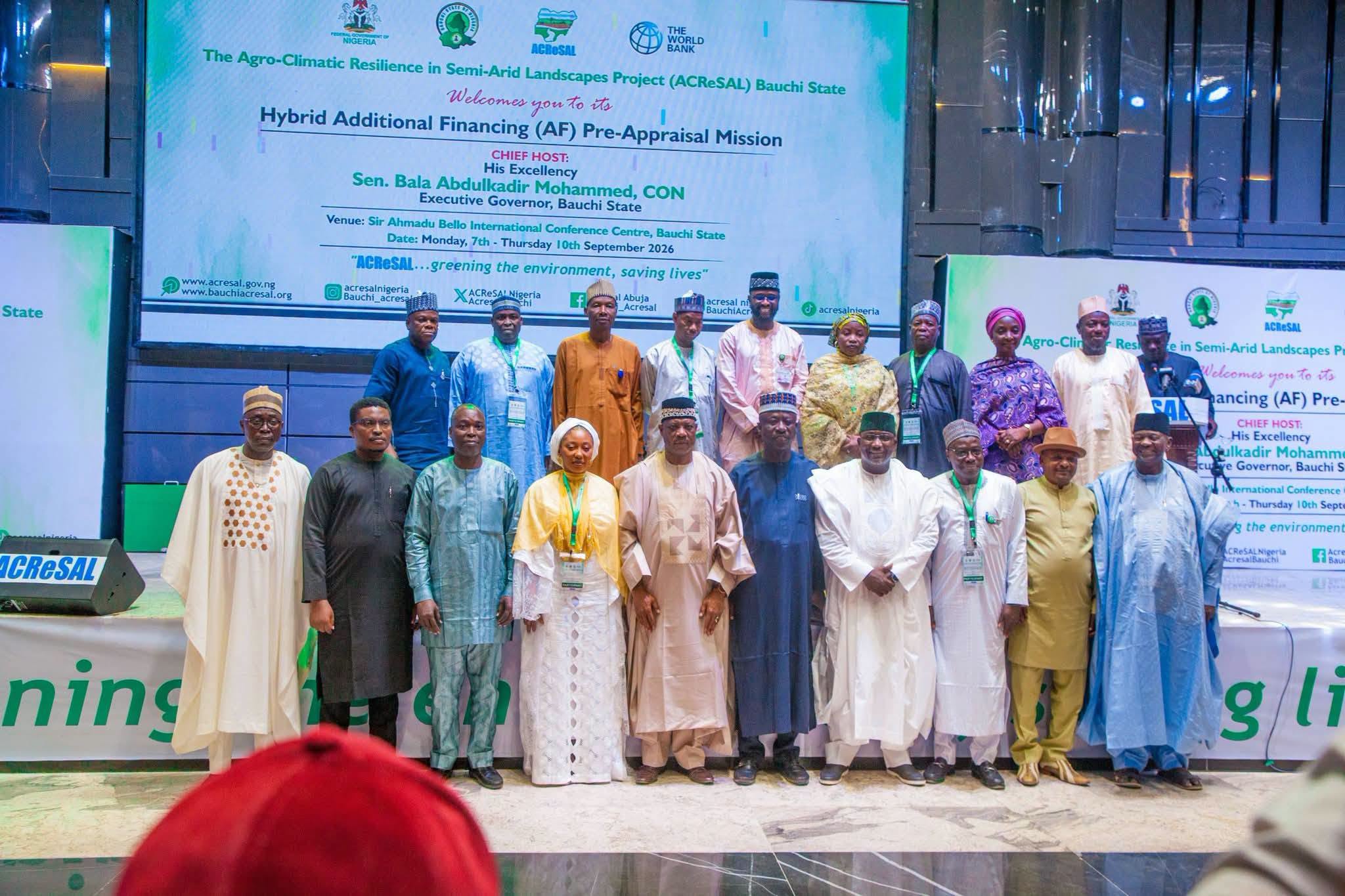
BAUCHI, NIGERIA — September 7, 2026 — The Agro-Climatic Resilience in Semi-Arid Landscapes (ACReSAL) Project has officially commenced the physical leg of its Joint World Bank and Federal Government of Nigeria (FGN) Hybrid Additional Financing (AF) Pre-Appraisal Mission in Bauchi State, aiming to upscale climate-resilient agriculture and land restoration impact across northern Nigeria.
Endorsed by both the World Bank and the Federal Government as one of the best-performing projects in the World Bank’s global portfolio, ACReSAL’s evidence-based results on the ground have paved the way for ongoing discussions to expand intervention impacts across 19 northern states and the Federal Capital Territory (FCT).
ACReSAL’s core design reflects a sophisticated approach to environmental recovery, recognizing that no single intervention can reverse decades of land degradation or insulate vulnerable communities from accelerating climate impacts. The project is structured around four mutually reinforcing components targeting distinct dimensions of climate vulnerability—an innovative approach that has proved to be a game-changer across target landscapes.
The overall mission objective is to review the status of preparation for the Additional Financing window and assess the Federal Government’s readiness to proceed to formal Appraisal.
Following an initial week of hybrid interactions. blending physical meetings at the World Bank Country Office in Abuja with virtual workshops on fiduciary systems, environmental and social safeguards, and procurement—the Bauchi segment running from September 7 to 11 marks a pivotal transition into direct physical evaluations, assessments, and high-level policy dialogue with subnational leaders.
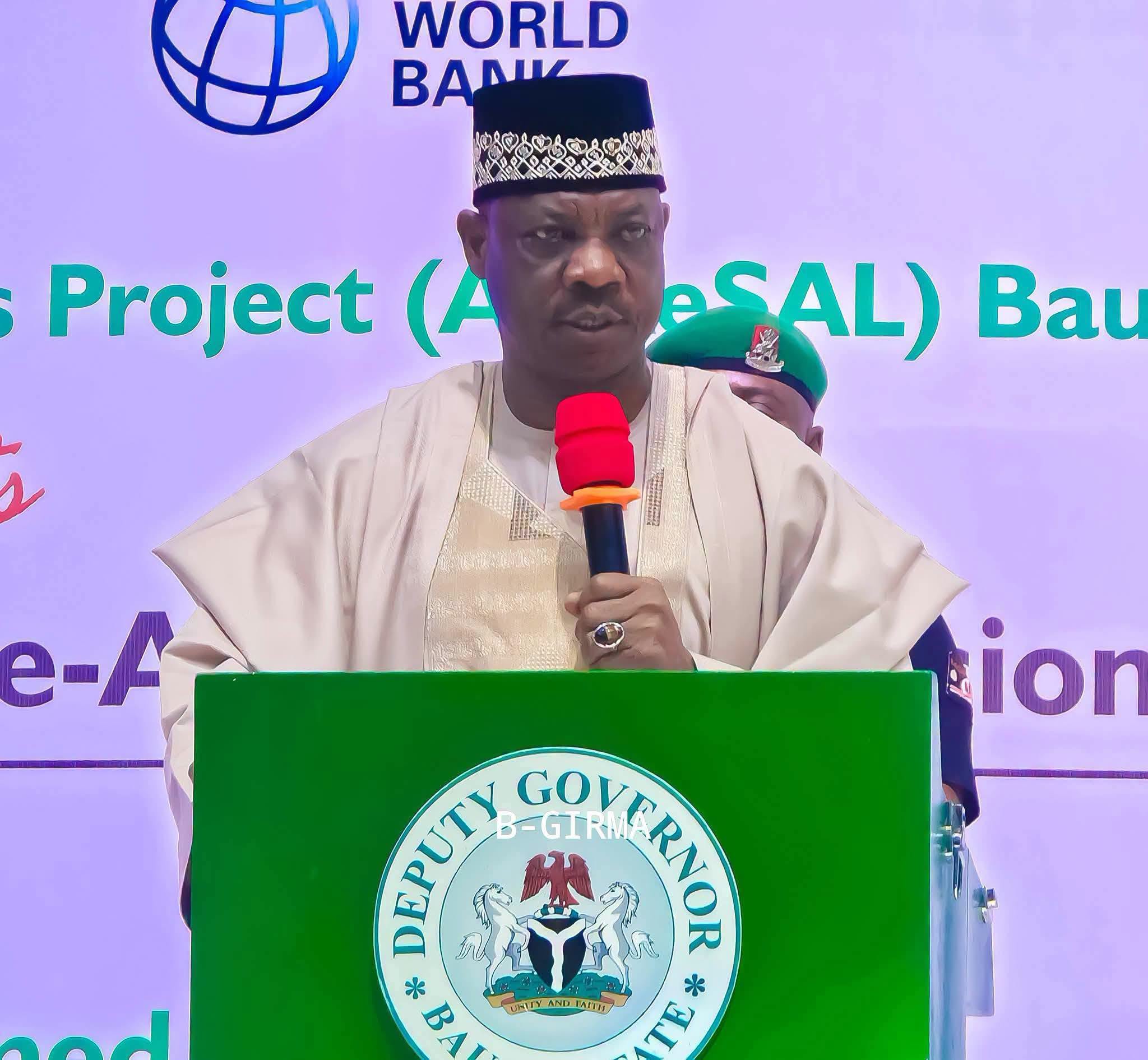
Speaking at the official opening session in Bauchi, the Executive Governor of Bauchi State, His Excellency, Senator Bala Abdulkadir Mohammed (Kauran Bauchi), pledged his administration’s unwavering commitment to scaling up climate-resilient agricultural activities and restoring degraded lands.
Represented by his Deputy, Rt. Hon. Mohammed Auwal Jatau, the Governor described the mission as a vital milestone that goes far beyond funding negotiations.
“This engagement is more than a discussion on funding; it is a significant opportunity to strengthen partnerships with the World Bank and other development partners in addressing the multidimensional challenges posed by climate change, particularly in hard-to-reach communities,” Governor Mohammed stated through his Deputy.
Reaffirming the state’s readiness, he added: “The state government possesses the required political will and commitment to provide necessary counterpart funding to facilitate the timely and successful implementation of the project. The proposed additional financing will further strengthen agro-climatic resilience through the restoration of more hectares of degraded land, institutional strengthening of our Ministries of Agriculture, Environment, and Water Resources, and expanded support to vulnerable communities through youth engagement and the Community Revolving Fund (CRF) scheme.”
Highlighting further achievements, the Deputy Governor noted that Bauchi ACReSAL has recorded transformative investments across government institutions, including the Bauchi State Environmental Protection Agency (BASEPA) and the Bauchi State College of Agriculture.
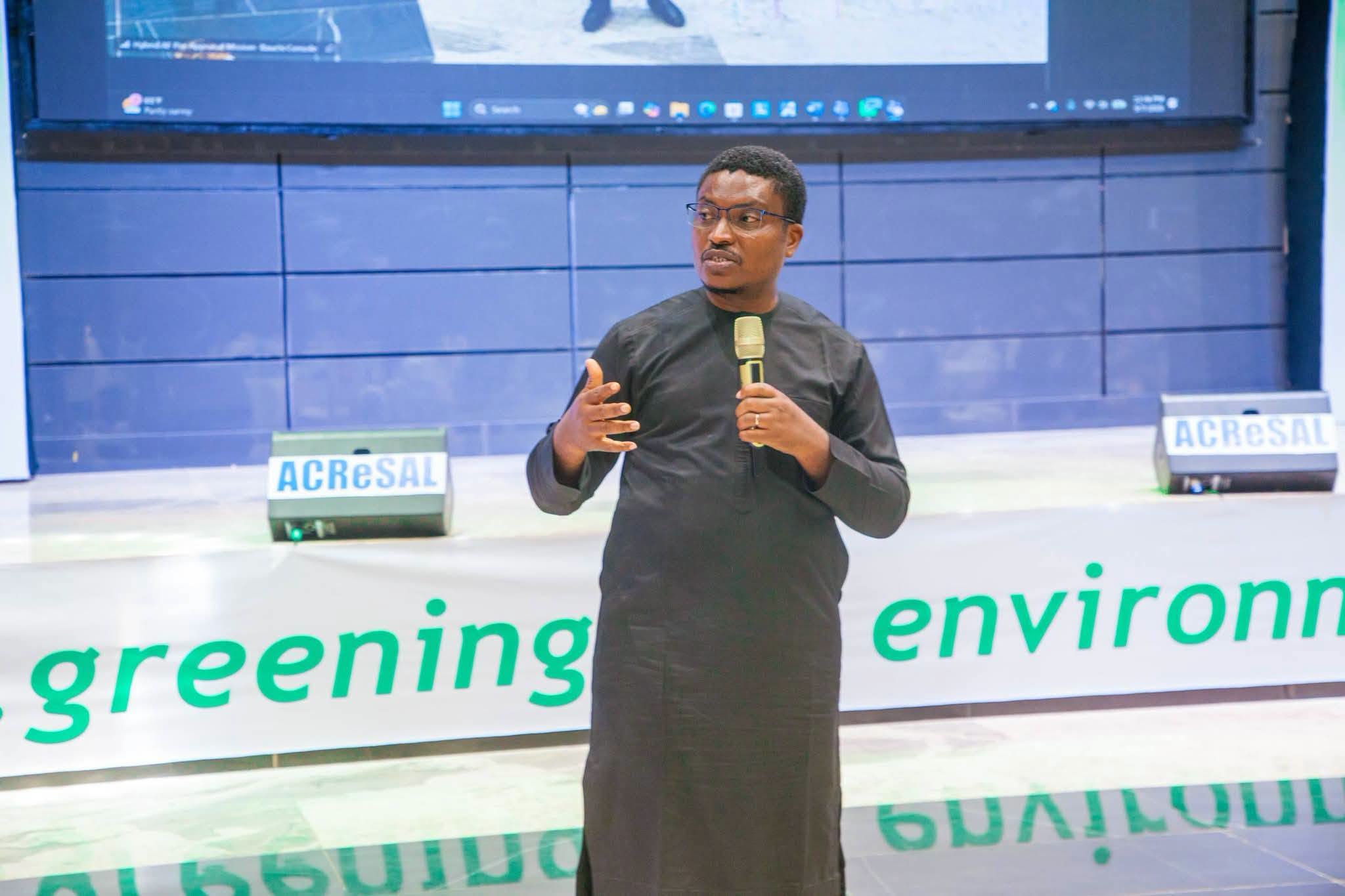
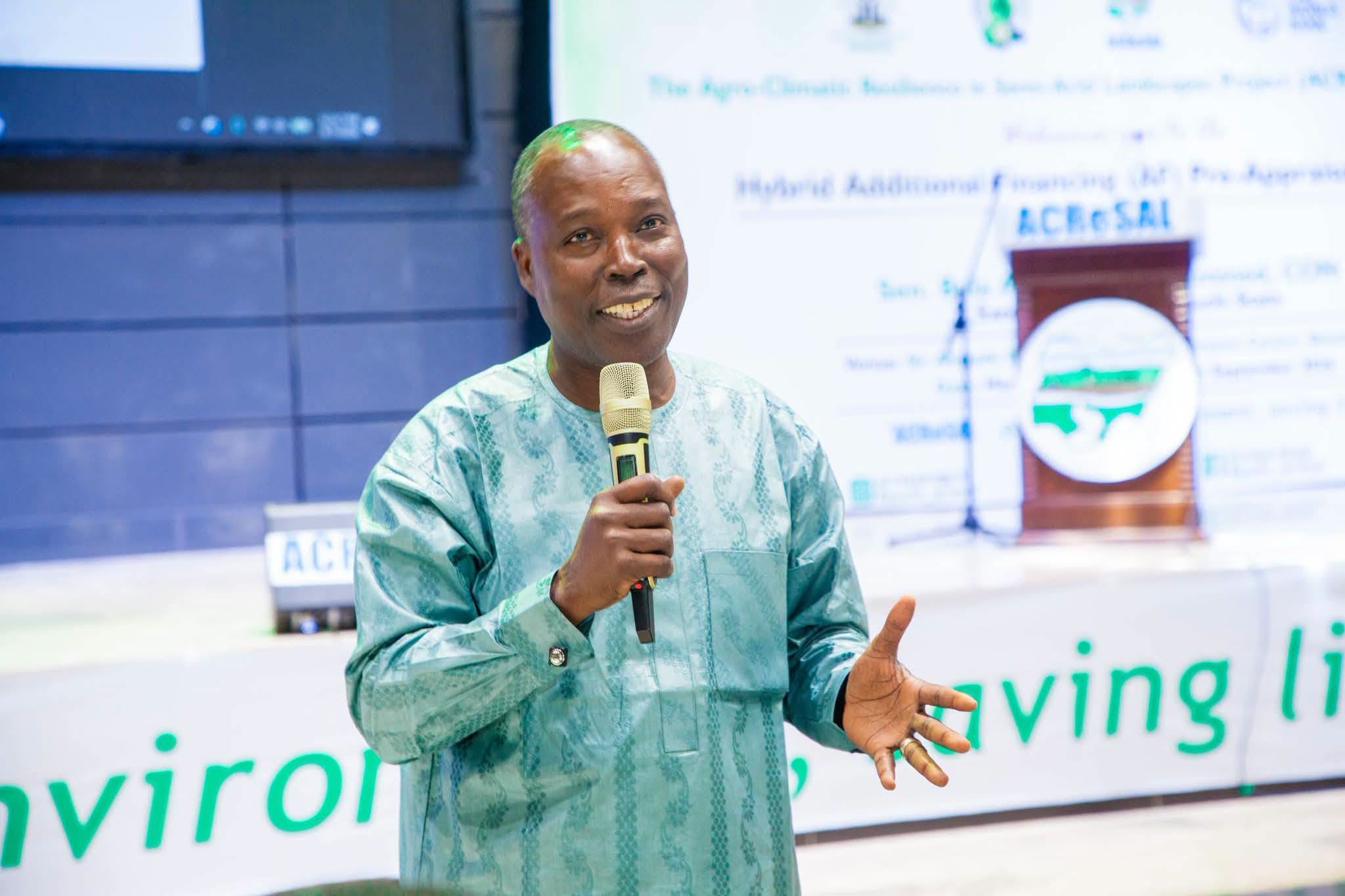
Corroborating the project’s real-world impact, Dr. Iganya Joy Agene, Task Team Leader (TTL), ACReSAL Project-Senior Environmental Specialist World Bank disclosed that interventions under ACReSAL have directly contributed to poverty reduction by boosting rural incomes.
“Specifically, you will note that our primary goal as a development partner is to reduce poverty, and we have statistics to show that ACReSAL alone has contributed to the reduction of poverty through an increase in income for farmers by about 41 percent. That is huge,” Dr. Agene emphasized, expressing confidence that the additional financing window will push poverty reduction figures beyond 50 percent.
Dr. Agene clarified that the project’s stellar performance is precisely why the core intervention model is being retained rather than redesigned.
“Typically, when most projects seek additional financing, they change the design because it didn’t perform very well. But in the case of ACReSAL, the proposed additional financing will not introduce a new project design—it will scale up existing interventions and extend them to more communities. We are not changing the design; we are scaling up. We want to reach more people and reclaim more hectares beyond the over one million hectares that have already been reclaimed,” she stated.
She commended the Bauchi State Government for its exceptional track record, noting that its performance had attracted special interest from the World Bank, while praising project coordinators across all 19 states and the FCT as the “boots on the ground” driving results.
In his remarks, the National Project Coordinator of ACReSAL, Mr. Abdulhamid Umar, confirmed that ACReSAL’s status as a high-performing project directly triggered the World Bank’s pre-appraisal process for additional funding.
“The Federal Government has marked ACReSAL as a performing project, and that is why the World Bank is providing additional funding to address climate change, improve agricultural productivity, protect crops, and strengthen food security,” Umar noted.
Addressing why Bauchi was chosen to host the physical leg of the mission, Umar added: “Bauchi happens to be one of our best-performing states as far as ACReSAL is concerned. We didn’t find it difficult coming to Bauchi because ACReSAL is actively being implemented and delivering tangible results here.”
Some of the criteria for states to access the upcoming Additional Financing will involve evidence of progress toward establishing a coordinating agency, institutionalizing project sustainability, and strengthening inter-state coordination in implementing Strategic Catchment Management Plans (SCMPs).
The readiness-driven financing will take effect as the current project cycle rounds off toward 2028.
The mission is being co-led by the World Bank technical team—comprising Senior Environmental Specialist Dr. Iganya Joy Agene (TTL), Senior Agriculture Economist Manievel Sene (Co-TTL), and Senior Water Resources Management Specialist Emmanuel Chinedu Umolu (Co-TTL)—alongside National Project Coordinator Abdulhamid Umar, state project coordinators, and technical experts from Federal MDAs, SPMUs, River Basin Development Authorities, Academia, and local communities.
About ACReSAL
The Agro-Climatic Resilience in Semi-Arid Landscapes (ACReSAL) Project is a World Bank-assisted initiative aimed at addressing land degradation, building climate resilience, and improving sustainable watershed management and agricultural livelihoods across target states in northern Nigeria and the FCT.
Media Contact:
Communication Specialist
Federal Project Management Unit (FPMU)
ACReSAL Project, Abuja, Nigeria