
World Bank Review Highlights ACReSAL as Key Catchment Management Project, SCMPs Elevate to National Policy Framework
December 15, 2025
Jos, Nigeria – At the Hybrid Pre-Mid-Term Review (MTR) Mission of the Agro-Climatic Resilience in Semi-Arid Landscapes (ACReSAL) Project, Dr. Joy Iganya Agene, the Task Team Leader, delivered a critical insight: ACReSAL is fundamentally a catchment management project, and the 20 Strategic Catchment Management Plans (SCMPs) it is currently developing are poised to become key policy documents for the Nigerian government.
Dr. Agene reaffirmed the World Bank’s deep commitment to ACReSAL, emphasizing its role as a cornerstone for climate-resilient development. The project’s main targets include restoring degraded catchments, significantly enhancing water security, and uplifting rural livelihoods across the region.
Being defined as a catchment management project mandates a systems thinking approach. This means every intervention from planting trees and constructing check-dams to implementing flood control measures or distributing climate-smart farming kits is meticulously planned, measured, and evaluated within the confines of an entire watershed.
That integrated systems thinking is crucial because it ensures that environmental and infrastructural gains made upstream translate directly into tangible downstream benefits, such as cleaner water, reduced flood risk, and more productive agriculture, ultimately making the entire ecosystem and its communities more resilient.
“Our catchments are lifelines for agriculture, water, and biodiversity. Where gaps exist, we must turn them into opportunities for growth. This review is not just an assessment—it’s a roadmap to a greener, more resilient Nigeria,” she stated.
She further noted that ACReSAL has a necessary six-year lifespan. This extended duration is essential to properly document the project’s interventions and resulting benefits, ensuring the catchment is sufficiently healed and the results are sustained before the project officially concludes.
The ACReSAL project’s geographical scope is vast, spanning 19 northern states and the Federal Capital Territory (FCT). Its work is structured around three core components: Dry Land Management, Community Climate Resilience, and Institutional Strengthening and Project Management. The project is already benefiting approximately 9 million people, with over 900,000 hectares of degraded landscapes restored, nearing its 1 million-hectare target.
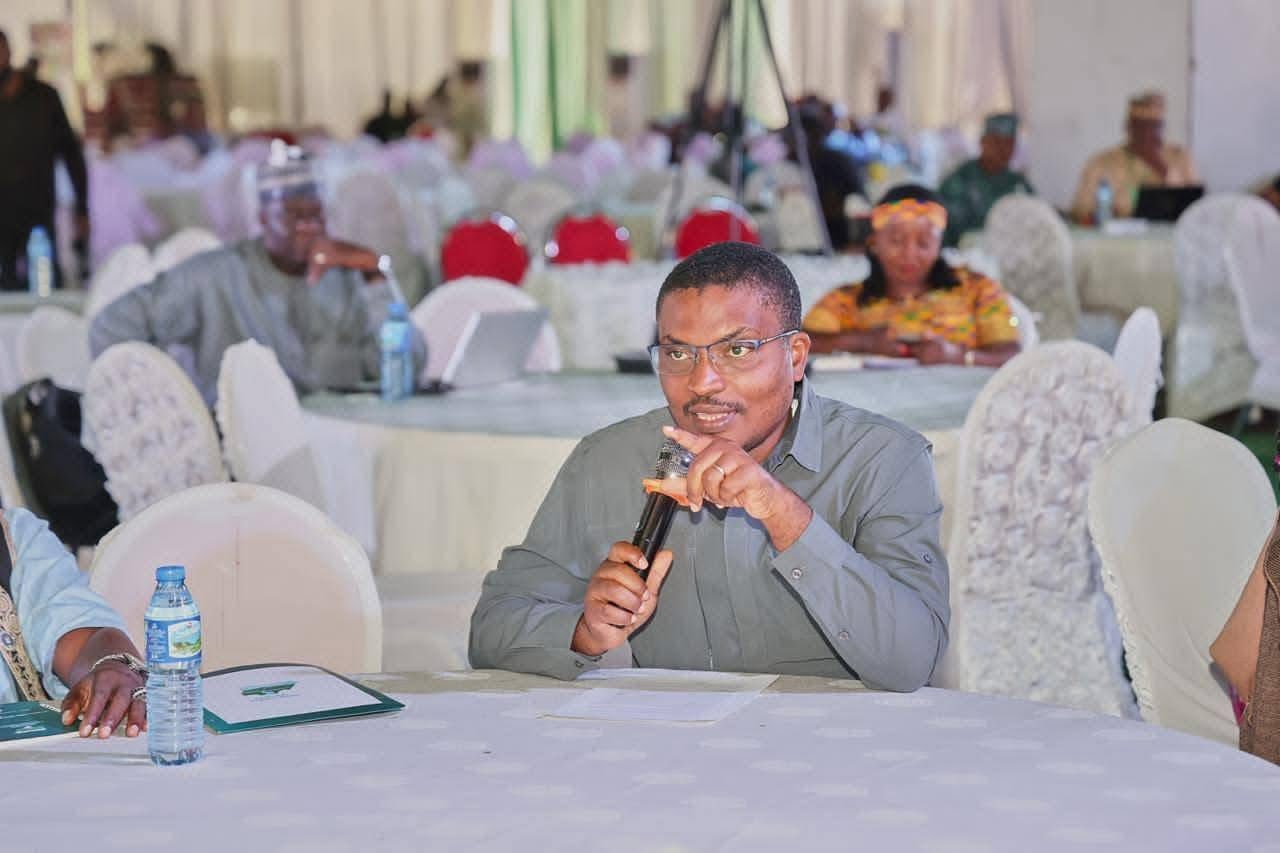
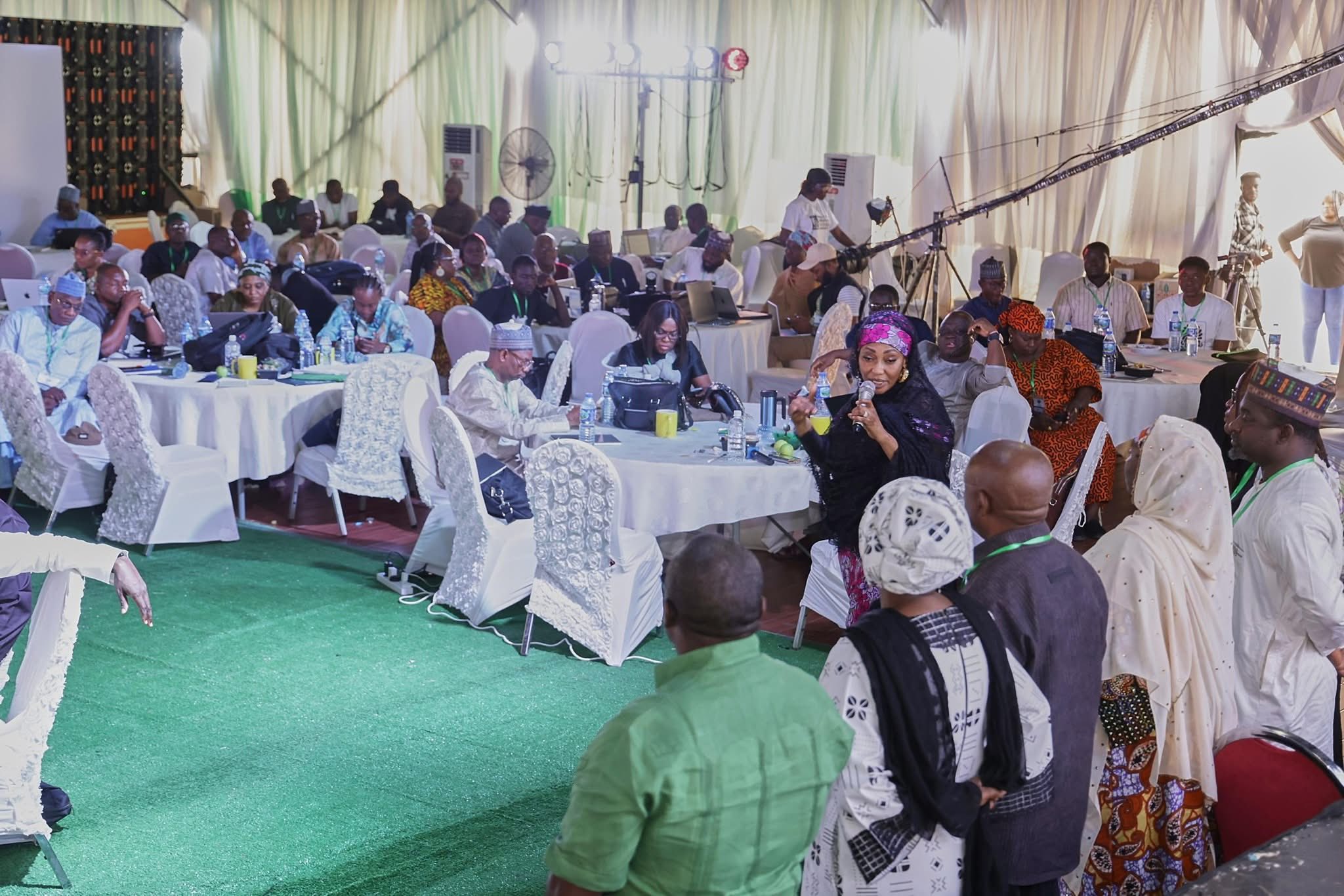
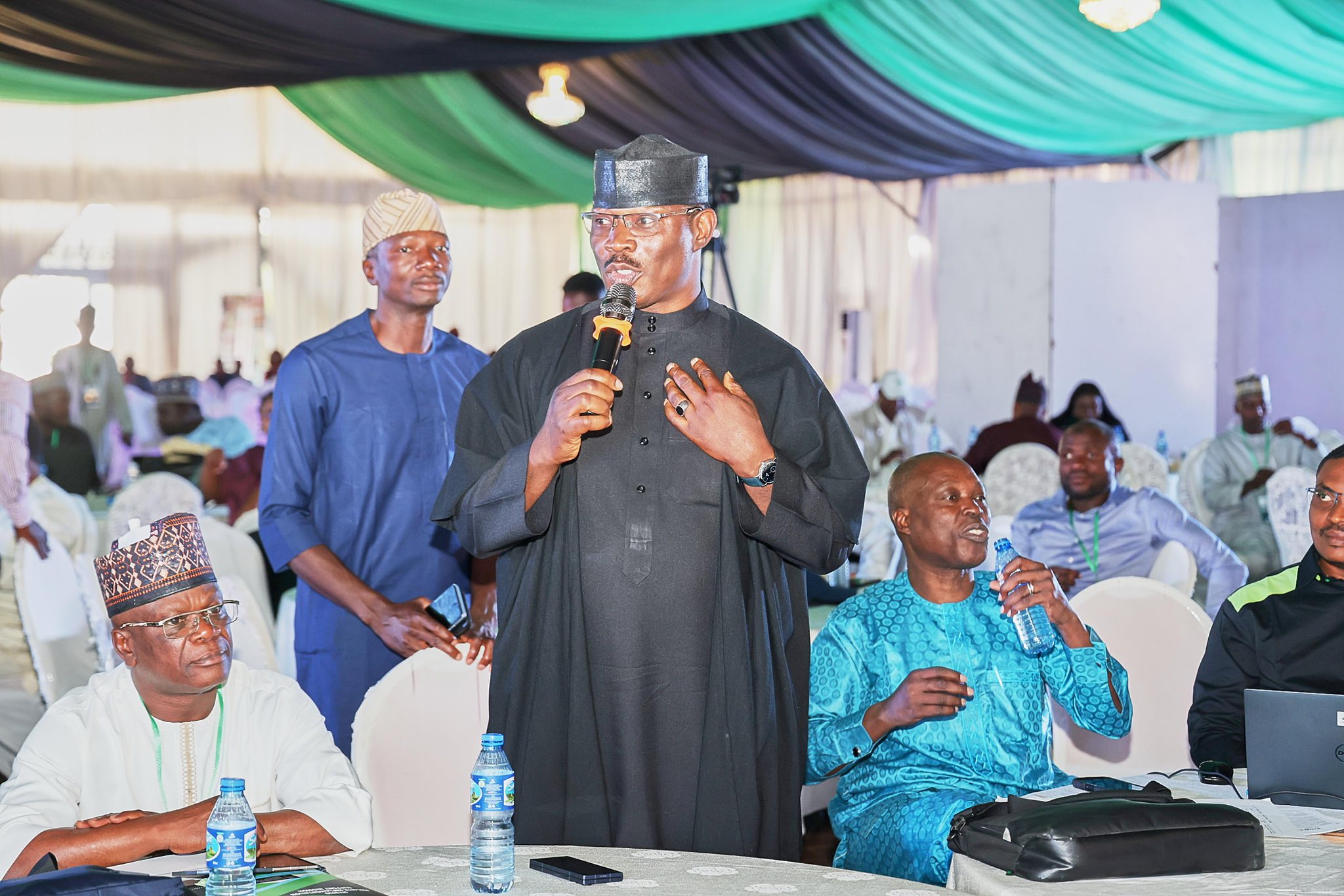
The ongoing Pre-Mid-Term Review Mission of the Project featured a high-stakes, state-specific impact presentation session, designed to spotlight the tangible progress and transformative results emerging from the ACReSAL participating states since inception.
To rigorously evaluate the project’s achievements against its development objectives from an unbiased, external perspective, a Panel of Judges comprising distinguished professors from the University of Jos was invited. Their role during the impact story presentation sessions was to assess performance, identify gaps, and provide expert guidance based on the presentations and supporting media content showcased by each state.
After two intensive days of presentations and evaluation, and based on strict scoring criteria—which included relevance to project objectives and results framework, magnitude of impact, evidence and data quality, sustainability and scalability potential, as well as achievement across project components—Plateau State emerged as the best-performing state, followed closely by Katsina and Kebbi states.
This session offered a vital, evidence-based reflection on how the project is successfully driving climate resilience, large-scale environmental restoration, and significant improvements in livelihoods.
Throughout the presentations, states showcased measurable achievements across key thematic areas, including: Land restoration and the rehabilitation of degraded landscapes; Integrated watershed management interventions that successfully enhance water availability; Climate resilience actions supporting communities to adapt to changing environmental conditions; Institutional strengthening and capacity building for sustainable natural resource governance; and Community-driven development initiatives that significantly improve local participation and ownership.
The detailed feedback and documentation gathered at the Pre-Mid-Term Review session will be instrumental in shaping the overall performance assessment that will be officially compiled ahead of the upcoming Mid-Term Review (MTR).
Ultimately, these documented achievements, collective reflections, and valuable cross-state learning are set to guide necessary project adjustments, strengthen implementation frameworks, and accelerate progress toward achieving ACReSAL’s comprehensive overarching objectives.
ACReSAL, greening the environment, saving lives