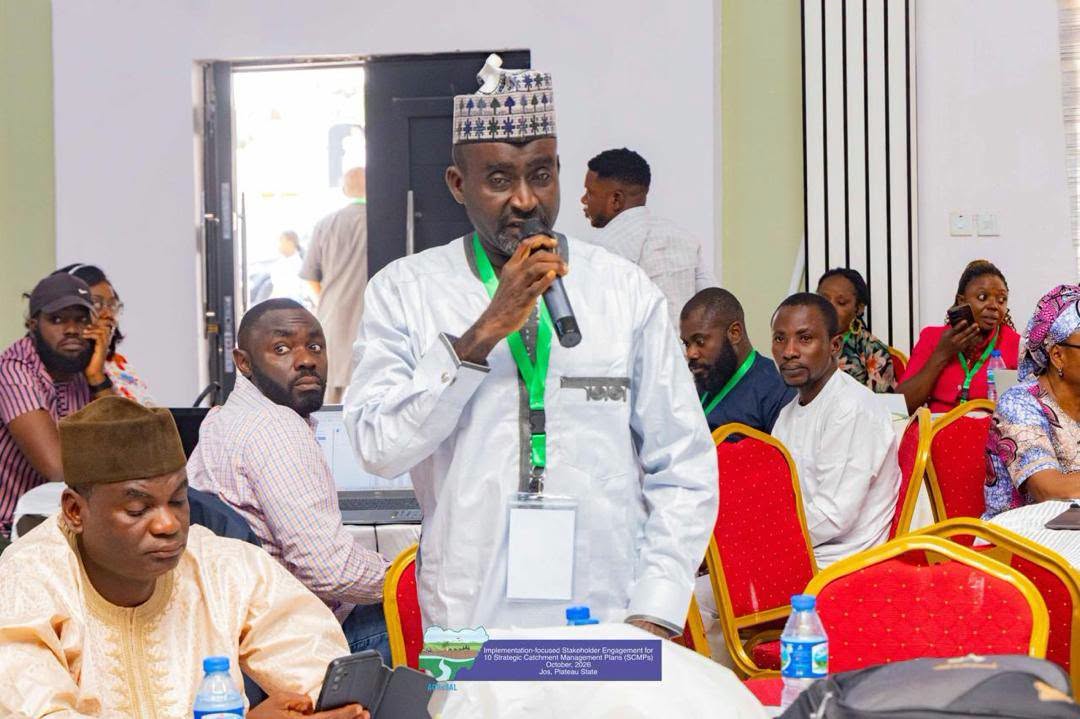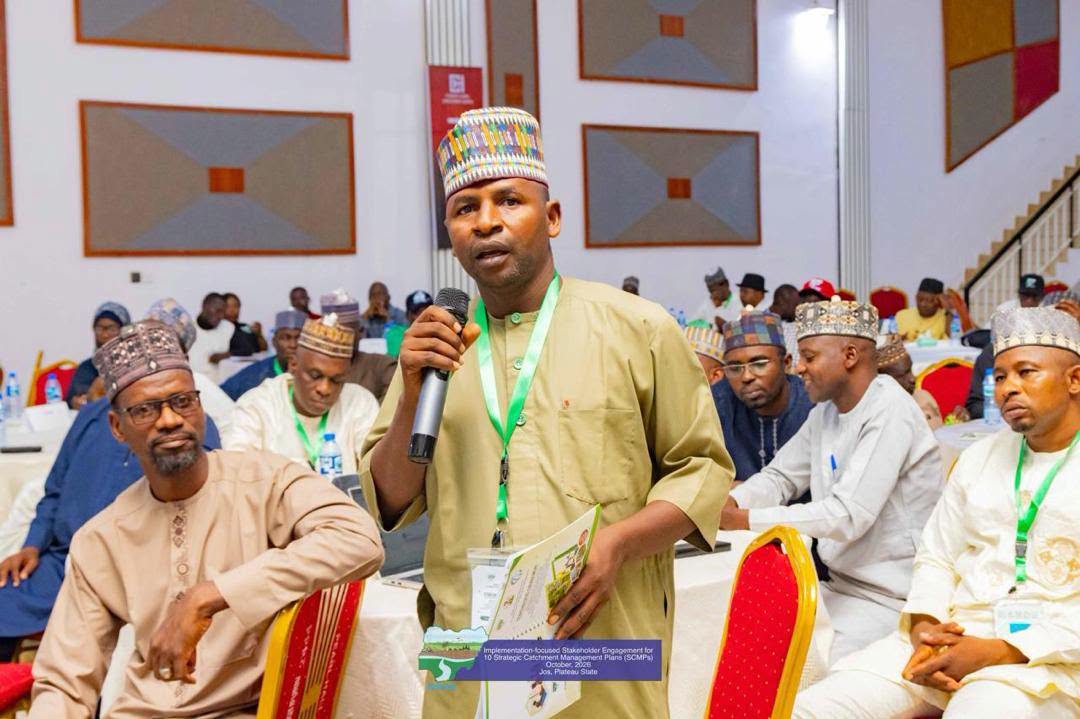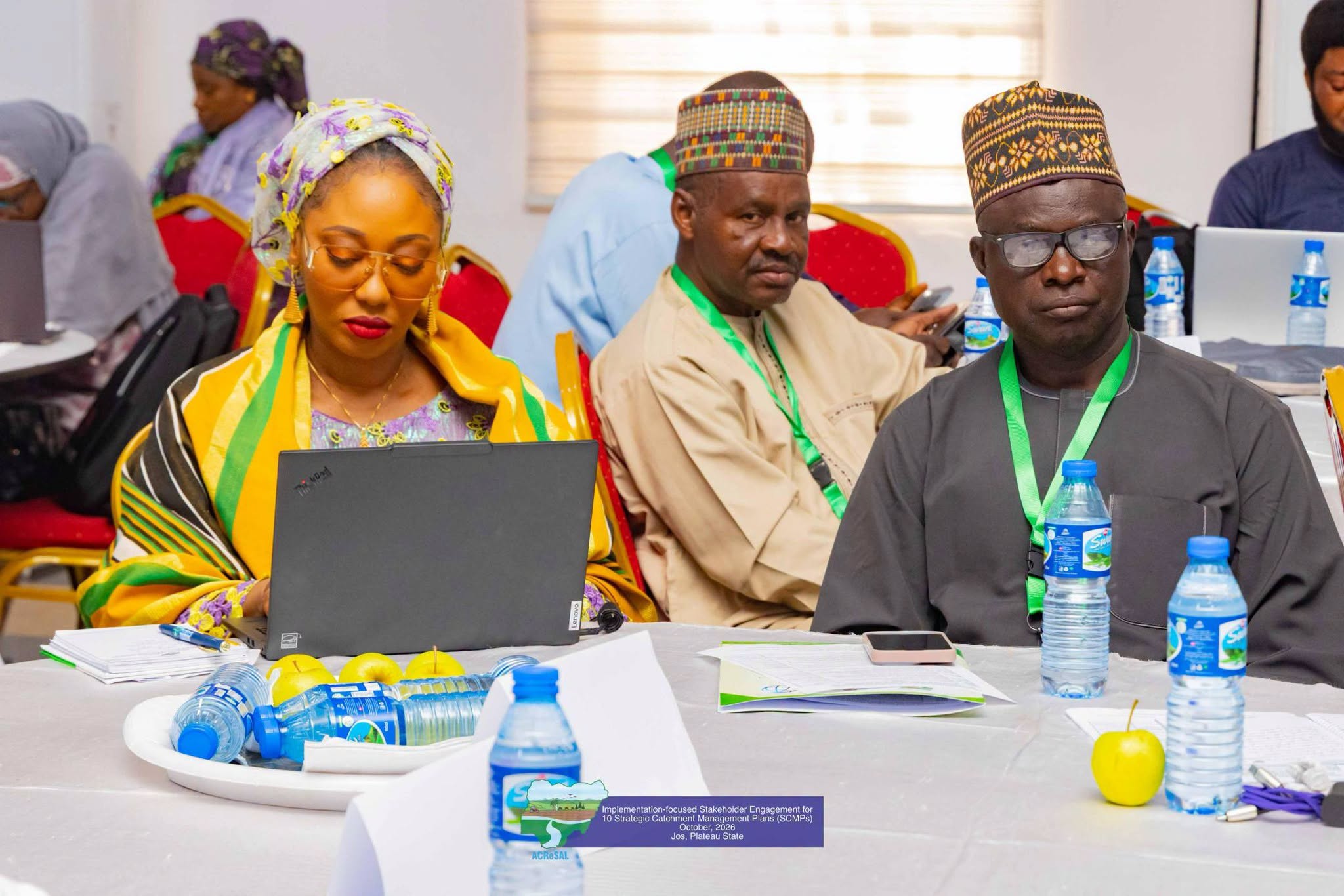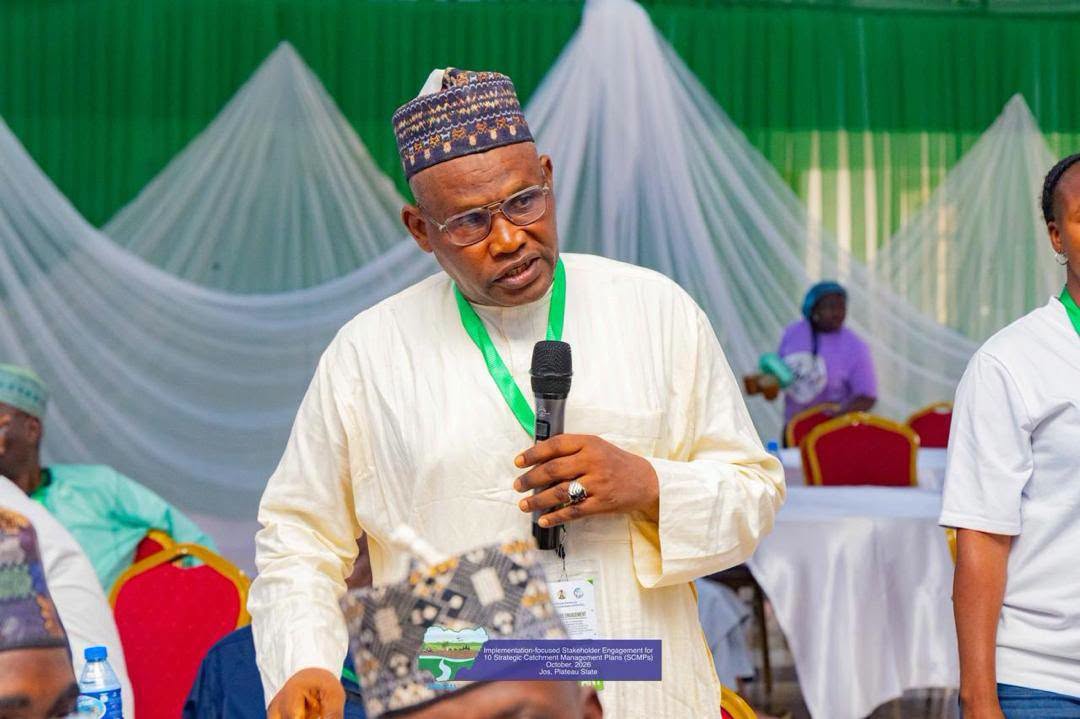
“You Are No Longer Just a Gateway, You Are Operational” – ACReSAL TTL Tells Traditional Leaders as Rima Catchment Stakeholders Brainstorm Sustainable Solutions in Jos
October 22, 2026
Jos, Nigeria — Traditional leaders under the Agro-Climatic Resilience in Semi-Arid Landscapes (ACReSAL) project have elevated their roles from merely serving as symbolic gateways to communities to becoming active, operational drivers of catchment management plans.
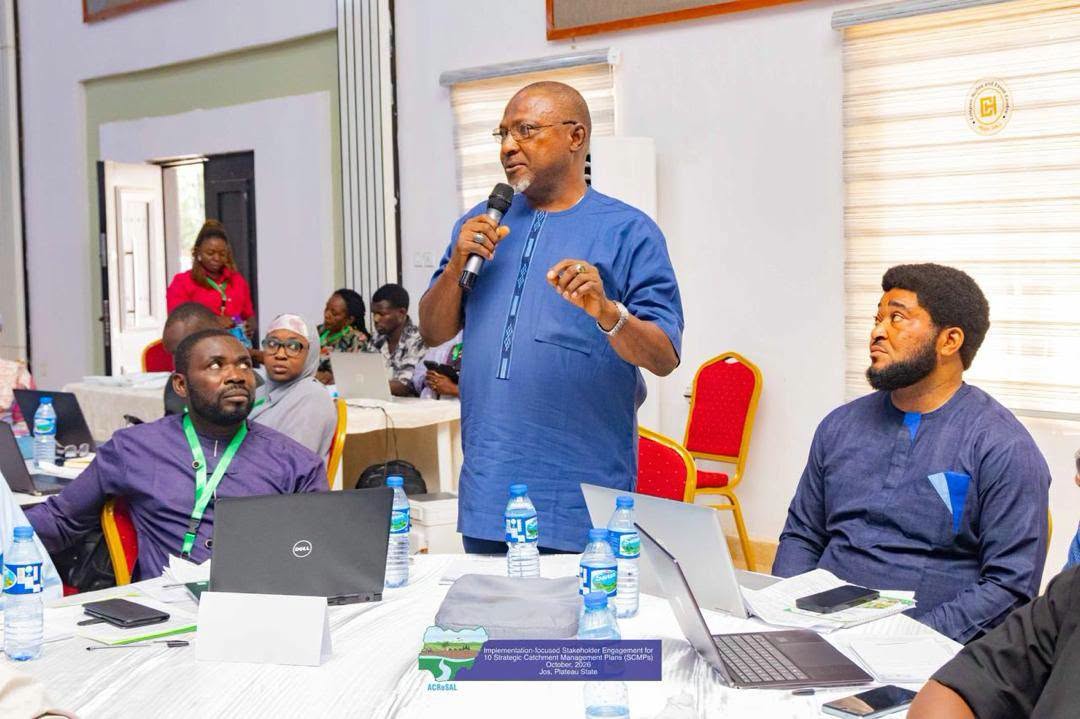
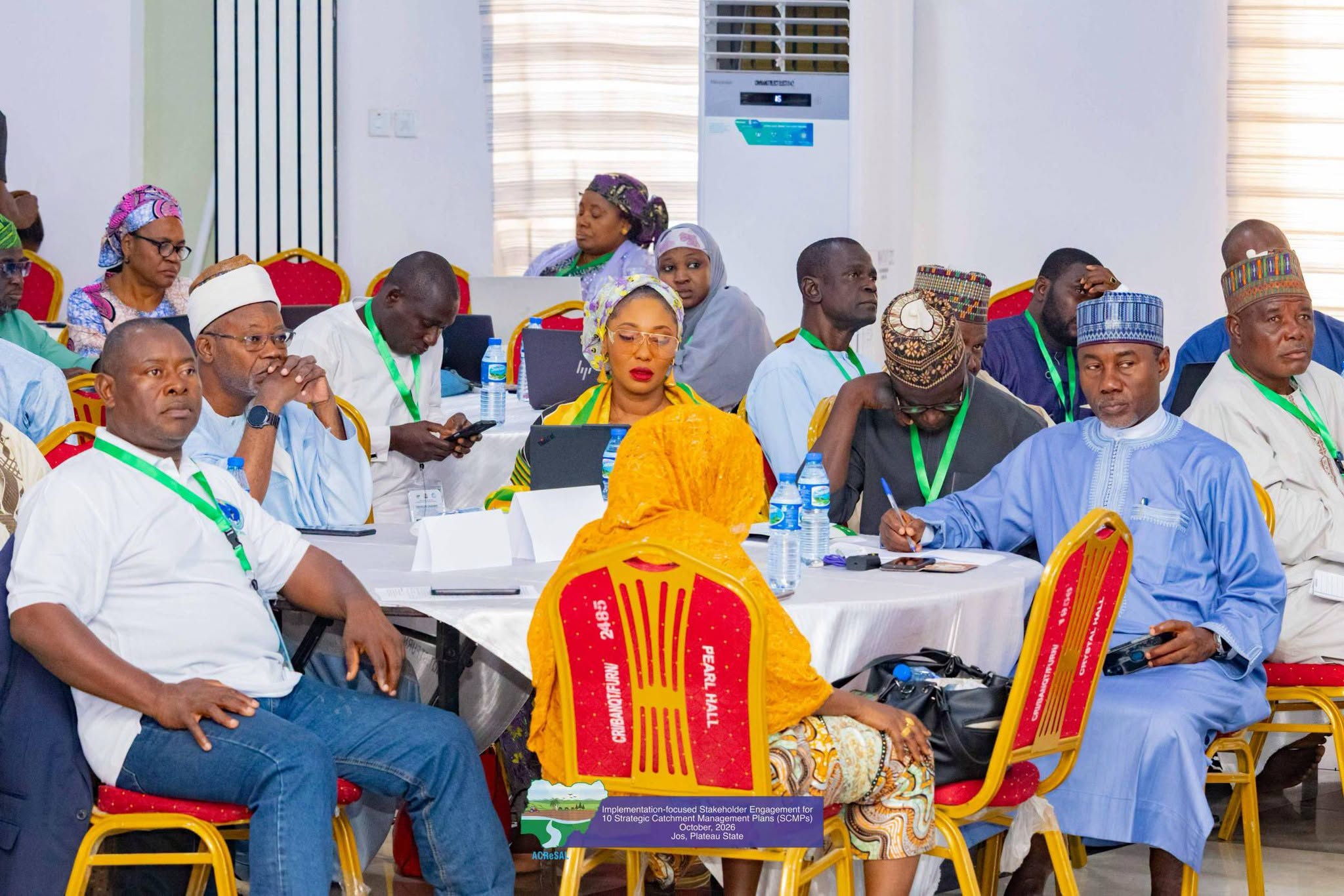
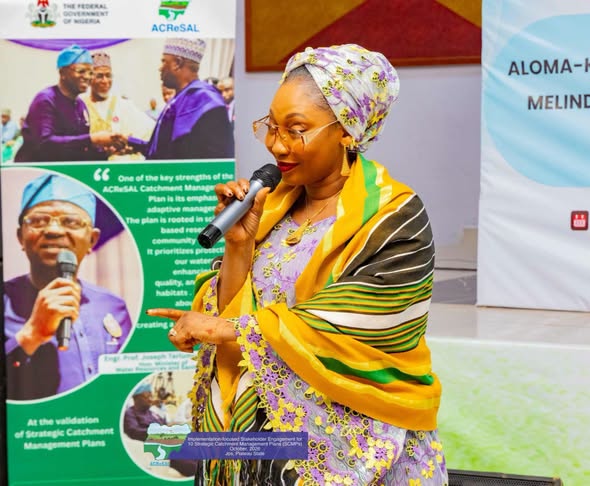
This declaration was made by Dr. Iganya Joy Agene, FNMGS, Senior Environmental Specialist at the World Bank and ACReSAL Task Team Leader (TTL), during Day 6 of the ongoing Implementation-Focused Stakeholder Engagement Workshop for the 10 Strategic Catchment Management Plans (SCMPs) with focus on Rima Catchment in Jos, Plateau State.
Delivering extensive remarks covering plan validation, Additional Financing, local knowledge, and long-term sustainability, Dr. Agene emphasized that empowering local leaders to take ownership of implementation is the single most effective way to guarantee results on the ground.
“Typically, in traditional formations, we tell you that the community leader is just a gateway to reaching the people. But traditional leaders, today, you are not just a gateway—you are operational,” Dr. Agene declared. “You have moved from being a gateway in the community to operationalizing these plans and activities, and that is the absolute best way.”
Illustrating the quality and depth of Nigeria’s catchment planning effort, the TTL recalled an international resource person brought in to guide the process. The expert, who had initially doubted Nigeria’s capacity to deliver structured catchment management planning, came expecting primarily to share model components from India—a nation where catchment management is deeply understood even by rural farmers on the street.
“He came to Nigeria not convinced that we could do this,” Dr. Agene recounted. “I had done some baseline analysis and sent it to him to guide the discussions, but he wasn’t convinced until he arrived and saw the reality on the ground. When he came, he saw the upper, the middle, and the lower catchments firsthand. He could see everything he knew from India replicated right here.”
“I share this story to reassure you that what we are doing here will stand the test of time, meet global quality standards, and compete with best practices anywhere in the world.”
While acknowledging the role of advanced technology, Dr. Agene expressed deep gratitude to local stakeholders and traditional custodians, stressing that high-tech satellite imagery must be grounded in community-level intelligence.
“Thank you to all our stakeholders,” she expressed. “While we get massive amounts of technical information from satellite imagery above, you are the ones who truly know the land. That is why no management plan can ever be complete without you, without the stakeholders, and without the grassroots contributions you are making.”
Charging state representatives to take ownership of the process, the TTL noted that while the central ACReSAL project team periodically visits floodplains and target communities, it is the state and local actors who possess intimate knowledge of village names, market dynamics, and local ecosystems.
To ensure complete accuracy, Dr. Agene officially announced a one-month window for rigorous, state-specific, and community-specific validation of the Rima Strategic Catchment Management Plan and other Plans under review.
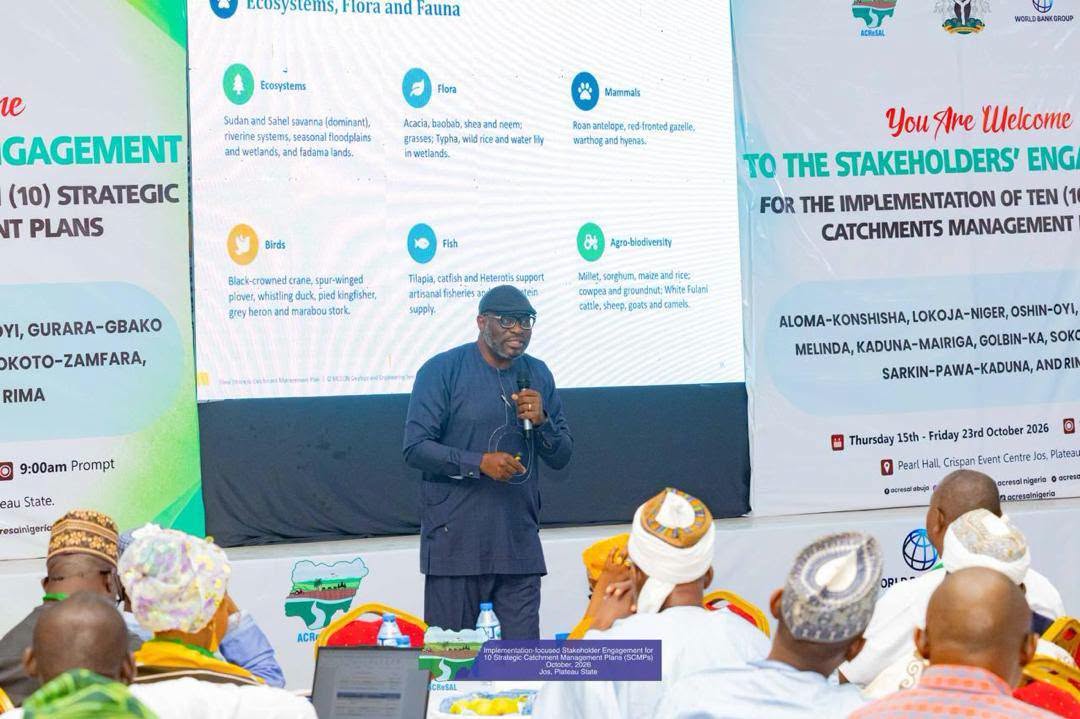
Building on the foundation laid by the TTL, Chuka Offodile, Managing Director of Mecon Engineering and Geology Services, presented an extensive technical overview of the Rima Catchment. He emphasized that the catchment is not merely a river basin, but a living economic system that sustains millions across northwestern Nigeria.
Stretching across approximately 10.2 million hectares (101,961 km²) and spanning 45 Local Government Areas (LGAs) across Katsina, Zamfara, Sokoto, Kano, and Jigawa States, the catchment currently supports an estimated 14.5 million people—a figure projected to surge to 26.3 million by 2050. Without proactive measures, this rapid growth will exert severe pressure on agricultural land, water resources, critical infrastructure, and local ecosystems.
Offodile mapped out the catchment as a system of three interconnected landscapes, each facing distinct environmental challenges: Upper Catchment (Katsina and parts of Zamfara): Communities face steep slope erosion, land degradation, acute water scarcity, biodiversity loss, and urban flooding. Middle Catchment: Zones struggle with severe gully erosion, deforestation, dry-season water shortages, and recurring pest outbreaks that threaten agricultural yield. Lower Catchment (Floodplain communities): Farmers battle seasonal flooding, encroaching desertification, deteriorating irrigation infrastructure, biodiversity decline, and climate-induced insecurity.
To address these challenges, Offodile outlined a package of tailored, zone-specific ecological interventions:
- Upper Catchment Interventions: Reforestation, terracing, gully stabilization, rainwater harvesting systems, and upgraded urban drainage.
- Middle Catchment Interventions: Construction of check dams, contour bunding, community forestry initiatives, solar-powered boreholes, and integrated pest management.
- Lower Catchment Interventions: Flood-control dikes, riverbank restoration, irrigation modernization, drought-resilient crop production, and large-scale afforestation.
“These investments are not merely environmental projects—they are economic drivers aimed at protecting livelihoods, strengthening food security, and securing the future of a region where agriculture is the backbone,” Offodile noted.
He concluded with a passionate appeal for interstate coordination, stressing that because the Rima River system transcends state boundaries, no single state can solve these issues in isolation. He called for joint management structures, harmonized policies, shared data platforms, coordinated flood and drought response mechanisms, and combined watershed restoration investments.
“The future of the Rima Catchment depends on our ability to act as one basin rather than separate jurisdictions,” he told stakeholders. “If we coordinate our efforts today, we can secure water, food, livelihoods, and environmental resilience for more than 26 million people by 2050.”
ACReSAL…greening the environment, saving lives.